
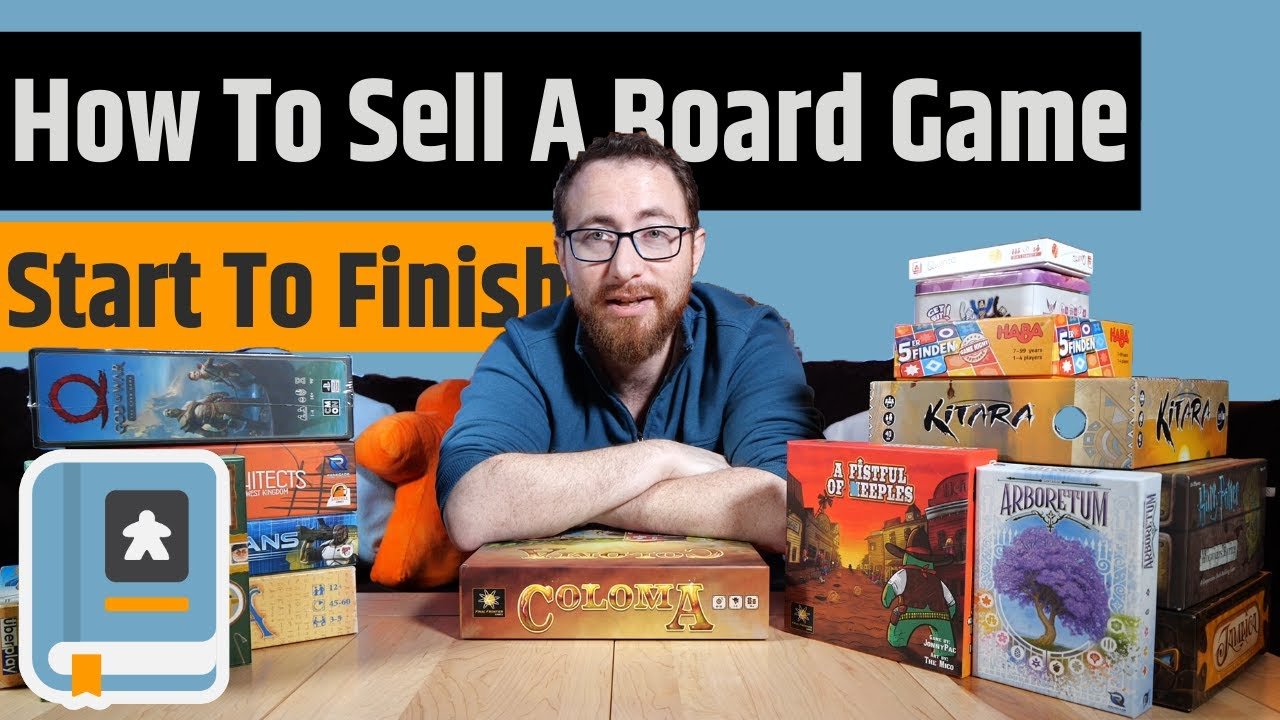
Selling a board game requires effective marketing, highlighting its unique features, and choosing the right sales channels.
So, you’ve poured your heart and soul into creating an amazing board game, but now what? Getting it into the hands of eager players involves more than just having a great product. Knowing how to sell a board game effectively is essential for any game creator looking to succeed.
Think about your target audience, where they shop, and what kind of marketing will grab their attention. Consider online platforms, game conventions, and local game stores as options. Selling your board game can be rewarding with the right approach.

How to Sell a Board Game
So, you’ve got a board game you want to sell? Maybe you’ve played it a bunch and it’s time for something new, or maybe it just doesn’t quite fit your game night group. Either way, selling a board game can be a great way to make some extra cash and give that game a new home where it will be loved! This guide will walk you through all the steps you need to take to successfully sell your board game, whether it’s online or in person.
Preparing Your Board Game for Sale
Before you even think about posting that listing or setting up a table at a flea market, you need to get your board game ready. A well-prepared game sells much faster and for a better price. Let’s break down the process.
Checking All the Pieces
This is SUPER important. Nobody wants to buy a game and find out a crucial piece is missing. It’s like buying a puzzle and not getting all the edges!
- Open the box: Take everything out.
- Compare to the list: Most board games have a list of components on the box or in the rulebook. Check every piece against this list. Count each token, card, and figure.
- Note any missing parts: If anything is missing, be upfront in your listing. You can still sell the game, but you might have to lower the price, or look at the possibility of finding that missing piece separately.
Assessing the Game’s Condition
Now that you know all the pieces are there, look at the game’s overall shape.
- Box: Is the box in good condition? Are there any tears, dents, or fading? A box in good shape looks much more appealing than a beat-up one.
- Components: Are the cards bent? Are the tokens worn or faded? Are the dice scratched? Again, be honest.
- Rulebook: Is the rulebook ripped, wrinkled, or stained? A clear and legible rulebook is crucial.
Take pictures of any damage you notice. This helps manage expectations for your buyers.
Cleaning the Game
A little cleaning can go a long way. Wipe down the game box with a slightly damp cloth (make sure it’s not too wet to damage the cardboard!). Use a soft cloth or a small brush to remove dust from the tokens and other pieces. If the cards are sticky, consider buying a card cleaning kit, or just make sure your hands are clean when touching the cards.
Determining the Value of Your Board Game
Pricing your board game can feel like a tricky puzzle. You want to get a fair price, but you also want to sell it. Here’s how to figure out a good price.
Researching the Current Market Price
Don’t just guess how much your game is worth. Do some research!
- Online Marketplaces: Check sites like eBay, BoardGameGeek marketplace, and Facebook Marketplace to see what other people are asking for the same game in similar condition.
- Used Game Stores: If there’s a local game store that buys used games, see if they have that game available and at what price.
- Condition Matters: Remember, a game in excellent condition will sell for more than a game with wear and tear.
- Rarity: Is your game a limited edition or hard to find? These usually sell for higher prices.
Considering the Condition and Completeness
The condition and completeness of your game greatly impact the price. Use the information you collected in the “Preparing” stage to help determine your asking price.
- Excellent Condition: The box looks new, the pieces are all there, and the game looks like it was just bought. These can be priced near the current market value.
- Good Condition: There might be some minor wear on the box or a few pieces might be slightly worn, but everything is there. You will need to price this slightly below the market price.
- Fair Condition: There is noticeable wear, or you might be missing a few minor parts. Price this much lower.
- Poor Condition: You are missing crucial pieces or there is significant wear, consider selling this very low, or just sell the rest of the pieces you have available.
Setting a Competitive Price
Now that you know the market value and have assessed the game’s condition, you can determine your price.
- Don’t Overprice: If your game’s price is much higher than others in similar condition, you might not be getting any buyers.
- Be Realistic: It’s often better to price it slightly lower than your maximum price, it will help you sell faster.
- Negotiation: Consider if you are willing to negotiate. You might want to price it slightly higher than your target if you are flexible on price.
Choosing Where to Sell Your Board Game
There are a lot of places to sell a board game! You can choose what works best for you, based on your convenience, how much effort you want to put in, and how quickly you want to sell.
Online Marketplaces
These platforms are great for reaching a lot of potential buyers quickly.
eBay
eBay is a well-known marketplace that is easy to set up. It’s popular, so there are many potential buyers. However, they have a final value fee, meaning they take a percentage of your sale. You also need to be ready to handle shipping and packaging.
BoardGameGeek Marketplace
BoardGameGeek (BGG) is a fantastic site specifically for board game enthusiasts. The marketplace on BGG is targeted to serious board gamers, so you will have people who know about games in general. This site can be more complicated to use for new sellers, but it can be a good option to look for specific buyers.
Facebook Marketplace
Facebook Marketplace is a great local option. You can list your game easily and set it for pick up, or offer to ship if you wish to. This platform is great for connecting with people in your community.
Other Online Marketplaces
Don’t forget places like Craigslist or dedicated buy/sell groups on Reddit. You can also look into different Facebook board game buy and sell groups. Some online board game stores also take in used games.
Local Options
Sometimes selling locally is a great option if you’re not into shipping and dealing with online marketplaces.
Local Game Stores
Many local game stores buy used board games for resale. The offer might be lower than selling privately, but it is the fastest option available to sell. You are getting cash right away, instead of waiting to sell on a marketplace.
Flea Markets and Yard Sales
You can put your board games for sale at local flea markets or yard sales. These can be great opportunities to sell to those who are less likely to buy games online. But be ready to take a slightly lower price, as these buyers might not know the real value of some games.
Board Game Events and Conventions
If you have a local board game convention, you might be able to sell games there. This might require some planning in advance, but if you are selling multiple games, you could gain a lot of attention for your games.
Here’s a simple table to summarize these options:
| Selling Method | Pros | Cons |
|---|---|---|
| eBay | Large audience, easy to list | Fees, shipping required |
| BoardGameGeek Marketplace | Targeted audience, good prices | Can be complex for beginners |
| Facebook Marketplace | Local buyers, easy to list | Requires local meetups or shipping |
| Local Game Stores | Quick sale, no effort | Lower prices |
| Flea Markets & Yard Sales | Direct sales, local audience | Lower prices, needs setup |
| Board Game Events | Enthusiast audience | Requires planning, maybe a table fee |
Creating a Compelling Listing
Whether you’re selling online or in person, your listing is key. It’s what will grab buyers’ attention and make them want your game.
Writing a Great Description
Your description needs to be clear, informative, and honest. Let potential buyers know what to expect.
- Game Title and Edition: Always include the full title of the game and which edition it is.
- Detailed Description: Don’t just say “it’s fun!” Explain the game. Mention the gameplay style, player count, and play time.
- Condition: Be very clear about the game’s condition. Mention all the details you assessed in the preparing stage. Don’t try to hide anything.
- Missing Components (if any): List any missing parts clearly. This helps buyers know what to expect and not be disappointed.
- Why You’re Selling: You don’t have to say it, but sometimes letting a buyer know why you’re selling (e.g., “we played this a lot and are looking for new games,”) makes your listing more relatable.
Taking High-Quality Photos
Photos are crucial! Good photos make a big difference in how well your game sells. No one wants to buy something they can’t see.
- Good Lighting: Take photos in a well-lit area. Natural daylight is best. Avoid using flash, it can make the pictures look worse.
- Multiple Angles: Take pictures of the box from all angles, as well as the game pieces. Also show the game laid out on a table to show what it would look like.
- Show Details: Include close-ups of any flaws, even minor ones, to manage buyer expectations.
- Clean Background: Make sure your background is clean and not distracting. A plain background makes your product stand out more.
Handling Payment and Shipping (if needed)
Once you have a buyer, you need to finalize the sale. How you get paid and how you get the game to the buyer needs to be worked out ahead of time.
Payment Methods
Accepting payment is a key part of selling a game.
- Cash: If you’re selling locally, cash is simple, but make sure you are in a safe environment when handling large amounts of money.
- PayPal or Similar Apps: These are easy, safe ways to get paid if you sell online. Be sure you are ready to pay fees from this service.
- Ebay Payments: If you sell on ebay, they will collect the payment from the buyer and send it to you. Make sure you set up this option properly before selling.
- Local App Payments: You may have local online payment options, like Venmo or Zelle. Be comfortable with what you choose.
Packing and Shipping
Shipping adds to the cost of a game. If you’re shipping, remember to do it correctly.
- Choosing the Right Box: Use a sturdy box that is slightly larger than the game box.
- Protective Packing: Use bubble wrap, packing peanuts, or even newspaper to pack the game so it doesn’t get damaged.
- Shipping Costs: Weigh the package and use a shipping calculator on the chosen courier website to figure out the shipping costs. Be upfront about these costs with the buyer.
- Tracking Number: Always get a tracking number, and provide this to the buyer.
Communicating With Buyers
Good communication is essential to making your sale a positive experience.
- Respond Promptly: Try to respond to buyer questions or offers quickly.
- Be Polite and Professional: Even if you aren’t selling for a business, it is best to be respectful in all of your communications with buyers.
- Be Transparent: If you make a mistake or there is an issue, address it clearly and with honesty.
- Follow Up: After the sale, be sure the buyer is happy.
By following these steps, you are well on your way to sell your board game quickly and efficiently, while also providing a good experience to your buyer. Remember to be honest, patient, and clear in your communication, and you’ll be sure to make someone’s game collection a little bit more complete.
How to Sell A Board Game – Start To Finish
Final Thoughts
Price your game competitively. Take clear pictures, highlight key components, and write compelling descriptions. Promote across various online platforms. Engaging with potential buyers is crucial, answer questions promptly. Finally, consider local game shops or conventions. Remember, understanding how to sell a board game involves careful presentation.
Selling board games requires building trust. Provide transparent information about game conditions. Ensure secure shipping and packaging to avoid damage. Consider offering bundle deals or discounts. Successfully selling your game will depend on these factors.

