
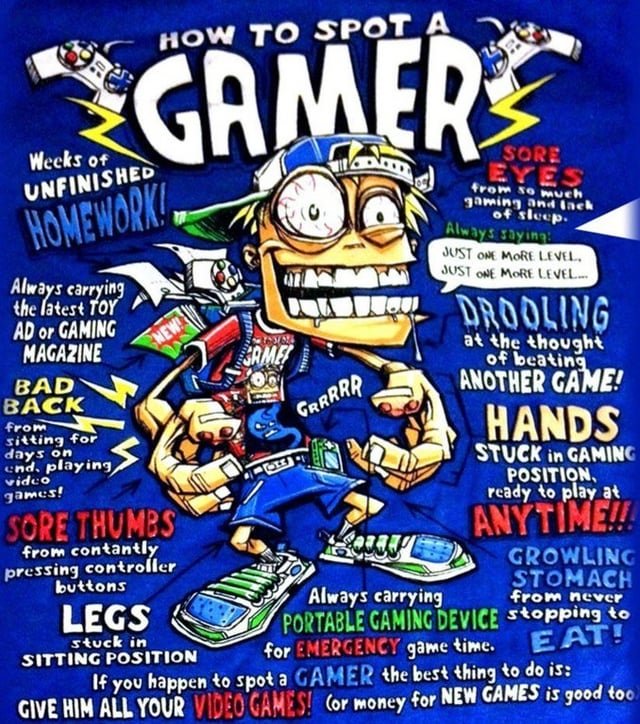
Spotting a gamer often involves noticing their use of gaming lingo, their intense focus on screen-based activities, and their possible familiarity with specific game genres.
Have you ever wondered if that person across from you is a gamer? It’s a common question in our digital age. We often interact with people whose passions may remain hidden beneath the surface. This article dives into the subtle (and sometimes not-so-subtle) signs of “how to spot a gamer”.
Pay attention to common clues. Do they frequently mention controllers or boast about their latest victories? Gamers tend to use specific vocabulary.
These small hints can help you identify fellow enthusiasts. They usually have specific patterns of behaviour and conversation.

How to Spot a Gamer
Ever wondered if that person you just met is secretly a gaming champion? Or maybe you’re curious if your friend spends more time leveling up than doing homework? Identifying a gamer isn’t always about them wearing a headset 24/7. It’s about noticing the subtle and not-so-subtle signs that reveal their passion for the digital world. Let’s dive deep into the world of gamers and explore the clues that help you identify one!
The Obvious Clues: Gaming Gear and Accessories
Let’s start with the easy stuff. These are the telltale signs that scream “I love video games!”
Headsets and Headphones
A good gaming headset is like a knight’s sword. It’s essential! Look for headphones that are bulky, often with a microphone sticking out, and sometimes with flashy lights. They might wear these even when not actively gaming, especially if they’re used to communicating with friends online. Someone with a casual pair of earbuds might not be a gamer, but a big gaming headset is a huge indicator.
Gaming Mice and Keyboards
Forget those standard office keyboards and mice. Gamers often use specialized equipment. A gaming mouse typically has extra buttons and a more ergonomic design. Gaming keyboards might have colorful backlighting, special macro keys, and make a clicky-clacky sound when pressed. If you see someone with this sort of equipment at their desk, the odds are high that they’re a gamer.
Console or PC Setup
This is pretty straightforward. Do they have a video game console sitting next to their TV? Maybe multiple consoles from different generations? Or do they have a computer with multiple monitors? This is a good indicator. Even if they aren’t playing at the moment, this gear suggests that they spend a fair amount of time gaming.
Gaming Clothing
Many gamers love to show off their passion through their attire. Think t-shirts with game logos, characters, or slogans. You might also see hoodies featuring their favorite game or gaming brand. While this isn’t a universal trait, wearing gaming-related clothing is a pretty strong sign that they are gamers.
Behavioral and Conversational Cues
Sometimes, the most revealing signs aren’t physical. It’s how they act and what they talk about that can point to their gamer status.
Using Gaming Lingo
Gamers have their own language! Listen for phrases like “noob,” “lag,” “grinding,” “gg (good game)”, “pwned,” or “buff.” They might use game-specific terms, like “farming,” “respawning,” or “looting.” If you are hearing these words in daily conversation, it is a big sign they are gamers. These terms are like a secret code only other gamers understand.
Talking About Game Strategies and Tactics
Does your friend often talk about the best weapons to use in a specific game or the optimal path to take in a virtual world? Gamers often discuss strategies and tactics in their games. They enjoy figuring out ways to win, and they might share their strategies with others, not to show off, but because it’s something they’re excited about.
Quick Reflexes and Hand-Eye Coordination
Years of gaming often lead to improved hand-eye coordination. Gamers may demonstrate quicker reflexes and better precision in activities that require hand-eye coordination, even outside of games. You might notice this in sports or even in daily life activities. Observe if they pick things up smoothly and if they react quickly to sudden events.
They Have Very Little Time for “Real World” Activities
If someone is always busy with a “game” it might be a sign that they are actually playing a video game, and not just hanging out. If they talk about a quest that is taking time to complete or that they need to level up, there’s a high chance that they are gamers. They might decline invites because of “raid time” or because a new update dropped for their favorite game, taking up most of their time.
Knowing Game Release Dates and News
Gamers are often up-to-date on the latest gaming news. They usually know about upcoming game releases, developer announcements, or even esports tournaments. They might talk about these things with excitement and might be counting down the days for the release of a new game. If they always bring up the subject of gaming, it might be a strong indicator.
Social Media and Online Presence
In today’s world, our online presence can tell a lot about us. Gamers are often active online, and you can spot some signs in how they use social media.
Game-Related Profiles and Usernames
Take a look at their social media profiles. Do they have usernames that are inspired by games or game characters? Do they have profile pictures from their favorite games? Many gamers incorporate gaming elements into their online identities. If they mention gaming communities or groups in their profiles, it’s a pretty clear sign.
Activity in Gaming Communities and Groups
Gamers are often part of online gaming communities. They might participate in forums, Discord servers, or Reddit threads related to their favorite games. If you see them actively interacting with these communities, it is a sign they are part of the gaming world. You might find them engaging in discussions about game strategies, sharing gameplay clips, or even looking for teammates.
Sharing Gameplay Videos or Screenshots
A good number of gamers enjoy sharing their gameplay experience with their online communities. They might post screenshots of their in-game achievements, upload gameplay videos to YouTube or Twitch, or share clips of funny moments they encountered in the game. Spotting these types of posts on their social media profiles can provide a good indication.
Understanding the Different Types of Gamers
The gaming world is not monolithic. There are various types of gamers, each with their own characteristics. Let’s explore a few.
The Casual Gamer
The casual gamer plays games mostly for fun and relaxation. They might not be hardcore competitive or up-to-date on the latest game news. They tend to play games for a short period of time, as a way to relax and blow off some steam. They can play games on consoles, PCs or their phones. They don’t focus too much on winning or learning all the intricate rules of the game.
The Competitive Gamer
The competitive gamer is driven by the urge to win. They enjoy challenges and spend hours practicing to become better at their game. They often participate in online tournaments, watch professional gameplay, and study advanced tactics. They focus on skills and strategies, and they’re usually updated on the meta of the game.
The Story-Driven Gamer
This gamer is all about the story. They enjoy playing games with rich narratives, interesting characters, and captivating plots. They might spend more time exploring the game world and listening to dialogues than battling enemies. They care more about the experience than the score they are getting.
The Completionist
This type of gamer wants to do everything possible in a game. They want to get every achievement, find every secret, and complete every side quest. They leave no stone unturned and enjoy the feeling of having finished all the game has to offer. They’ll probably have 100% completion in most games they play.
The Retro Gamer
This gamer loves the classics. They enjoy playing older games and might even have a collection of retro consoles. They appreciate the history and charm of older titles. They might enjoy vintage games more than the modern ones.
Things That Are Not Necessarily Gamer Traits
Let’s clear up some common misconceptions. Not everyone who exhibits these traits is a gamer.
Being Good at Technology
While many gamers are tech-savvy, it doesn’t mean all tech-savvy people are gamers. Someone might just be into technology without being interested in gaming. It’s just a coincidence that gamers are usually tech-inclined as well.
Being Introverted
Gamers come in all personality types. Some are outgoing and love to socialize, and some are introverted. Being introverted doesn’t automatically make someone a gamer, and vice versa.
Spending a Lot of Time at Home
While it’s true that many gamers enjoy playing at home, there could be other reasons why someone might prefer spending time at home, like having a job they can do from home. It’s not always an indicator of a gaming habit.
The Nuances of Observation
Ultimately, spotting a gamer is less about ticking off a checklist and more about observing patterns and context. It’s about seeing how these signs combine and making an educated guess. Someone who occasionally plays games might not exhibit many of the signs mentioned. Whereas someone who is fully engrossed in the gaming world is likely to exhibit many of these signs.
So, next time you meet someone new, keep your eyes and ears open. With a little bit of observation, you might just find yourself in conversation with a hidden champion of the digital realms!
How to Spot a Gamer (Part 1)
Final Thoughts
Gamers often exhibit specific traits. They might talk about game mechanics or characters frequently. Their hands may move in quick, precise motions, even when not gaming. You’ll notice they use unique jargon too.
A strong focus, even in casual conversation, can indicate a gamer. They’ll likely know the latest game releases and hardware specs. They are passionate and easily excited by gaming related things.
So, to conclude, observing these behaviors provides a clear path on how to spot a gamer. Their habits, jargon, and intense focus are telltale signs. The way they speak about and interact with the world makes it easy to identify.

