
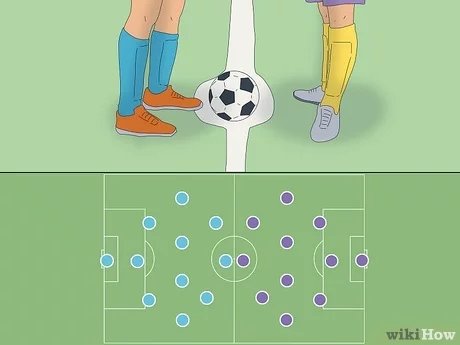
To start a game of soccer, you need two teams, a ball, and a designated playing field. Then, the game begins with a kickoff from the center circle.
Ever wondered how to start a game of soccer? It’s simpler than you might think. We often see matches on TV, but setting up your own is a blast. The excitement of the first whistle is something special.
You gather your friends, pick teams and find an open space. It’s not just about kicking the ball, you see. It’s the start of a fun activity. Knowing the basic setup will help you get your game underway quickly.

How to Start a Game of Soccer
So, you’re ready to play some soccer! That’s fantastic! But before you can start kicking that ball around, there are a few important things we need to get sorted. It’s not just about showing up and running; it’s about getting organized and making sure everyone has a good and safe time. Starting a soccer game the right way sets the stage for a fun and fair match.
Gathering Your Team
First things first, you need a team! Whether you’re playing a small game in your backyard or getting ready for a bigger match at the park, knowing how many players you have is key.
How Many Players Do You Need?
A full soccer team usually has 11 players on the field, including the goalkeeper. But don’t worry if you don’t have that many! You can have fun with fewer players, too. Here’s a quick look at different game sizes:
- Small-sided game: 4 vs 4 or 5 vs 5 is great for smaller groups and helps everyone get more involved. This is really fun for practice and younger players.
- Half-field game: 7 vs 7 or 8 vs 8 uses a smaller field and is perfect for intermediate groups who are working on their skills.
- Full game: 11 vs 11 is the traditional soccer game we see in professional matches.
It’s important to make sure that you have an equal number of players on each team. If you have an uneven number, you could ask someone to be a substitute or a referee for the game.
Making Teams Fair
Once you have enough players, it’s time to divide them into teams. Here are a few ways to help make things fair:
- Count off: Go around the group and have everyone say “one,” “two,” “one,” “two,” and so on. All the “ones” are on one team, and the “twos” are on the other! This is super quick and easy.
- Pick captains: Choose two team captains. They can take turns picking players until all the teams are chosen. Captains should try to balance the teams with people of different abilities.
- Random teams: Just put the players into teams randomly. Write the players’ names on pieces of paper and pull them out of a hat to decide who is on each team. This is a great way to play with new friends.
Finding a Field
Now that you have your teams, let’s talk about where to play. You need a space that’s big enough for everyone to run around safely and where you can set up some basic goals.
Choosing Your Soccer Field
Here are some of the common places you can play soccer, along with what to think about when choosing a field:
- Backyard: If you’re playing a small-sided game, your backyard might be perfect! Make sure the ground is fairly flat and that there aren’t any big rocks or holes that could be tripping hazards.
- Park: Many parks have open grassy areas that are ideal for soccer. You might even find a field that has goals already set up! If not, you’ll need to bring your own.
- School Field: School fields are often great places to play soccer during non-school hours. They’re usually big enough for all kinds of games and you can always find goalposts.
- Soccer field: If you want the real soccer experience, play at a proper field. These places are made just for soccer, they have lines marked, and goal nets. You can usually rent a field at a local park or recreation center.
Field Safety Tips
Safety is very important! Make sure the field is clear of any hazards like:
- Broken glass
- Sharp objects
- Large rocks
- Holes
Also make sure that there are no obstacles in the playing area such as bikes, or bags. It’s also important to make sure that the weather is okay for playing! Don’t play soccer if there’s lightning or heavy rain.
Setting up the Field
Once you’ve found your field, you need to set it up so you can play a game. This means making sure you have goals and some way to mark the boundaries of the field.
Creating Your Goals
Goals don’t always need to be fancy nets! Here are some ideas:
- Real Goals: If you have access to a soccer field, use their proper goals! They will have goalposts, a crossbar, and a net.
- Improvised Goals: If you don’t have real goals, use some cones, shoes, backpacks, or water bottles to mark the goalposts. Make sure the goals are equally sized and marked.
- Width: For smaller games, your goals can be smaller. For a game with younger players, the goal should be smaller than for a game with older players. For 11-a-side soccer, the goalposts are 8 yards (7.32m) apart, and the crossbar is 8 feet (2.44m) above the ground.
Marking the Boundaries
You’ll need to clearly mark the lines of the field so you know when the ball is out of bounds.
- Cones: Cones are really great for marking the corners and sidelines of your field.
- Lines: If you are using a proper soccer field, it already has lines, so you don’t need to worry about making new ones.
- Improvised Lines: If you don’t have cones, use chalk or even sticks to mark your lines. You can also use shoes, clothing items, or backpacks as markers.
Understanding the Basics of the Game
Now that the teams and the field are ready, it’s time to go over some basic rules of soccer. It’s always good to have some knowledge of the rules, whether it’s your first game or you play often.
The Goal of the Game
The main goal of soccer is to score by getting the ball into your opponent’s goal. The team that scores the most goals by the end of the game wins!
Key Rules
These are the main rules you should know:
- Hands Off: Players cannot touch the ball with their hands or arms, except for the goalkeeper when they’re in their penalty area. This means you should use your feet, head, and chest to move the ball.
- Kick-off: To start the game, one team kicks the ball from the center of the field.
- Out of Bounds: If the ball goes over the side lines, the other team gets to throw the ball back in. If the ball goes over the end line, it is either a goal kick or a corner kick.
- Fouls: Pushing, tripping, or hitting another player are not allowed and can result in a free kick for the other team.
- Goalie’s Zone: The goalie is the only player who can use their hands. They are allowed to do this inside their penalty area (the rectangular area in front of the goal).
Basic Positions
Although positions aren’t too important for very young players, it’s good to know about them.
- Forwards: Forwards are the players who try to score goals.
- Midfielders: These players help both the forwards and the defenders. They run a lot!
- Defenders: They try to stop the other team from scoring.
- Goalkeeper: The goalkeeper stands in front of the goal and tries to stop the ball from going in.
Getting the Game Started
Okay, everyone’s ready! Let’s get that game going!
Choosing Who Starts
How do we decide which team gets the first kickoff? Here are two easy methods:
- Coin Toss: Flip a coin! One team picks heads, and the other picks tails. The team that wins the toss gets to start with the ball.
- Rock, Paper, Scissors: Just like with the coin toss, have each team choose one person, and play rock, paper, scissors. The winner gets the ball first.
The Kickoff
Once you’ve decided which team starts, put the ball in the center of the field. The players of both the teams must be on their own half of the field before the kickoff. One player from the team that won the toss, kicks the ball, starting the game. All players need to be outside the center circle, so they don’t touch the ball before its kicked.
Setting the Time
For a casual game, decide how long you’ll play beforehand. Here are some examples:
- Short Game: 15 to 20 minutes is good for younger players or a quick game.
- Medium Game: 30 to 45 minutes is standard for a lot of youth leagues.
- Long Game: 60 minutes is a long game for a casual match, but it can be fun if you have the energy!
You can decide to have half time during the game. Take a five minute break at the halfway point. The two teams should switch sides of the field for the second half. Don’t forget to have someone keep track of the time during the game!
Encouraging Fair Play
Soccer is a sport that is meant to be enjoyed! While it’s fun to try and win, it’s very important to make sure that everyone plays fair and has fun.
Sportsmanship Tips
- Be Respectful: Treat everyone on the field with respect, including your teammates, the other team, and the referee.
- Play Fair: Don’t cheat or try to get away with things you know are against the rules.
- Encourage Others: Cheer on your teammates! This will make everyone feel good and more encouraged to play!
- Shake Hands: At the end of the game, it is polite to shake hands with all players from the opposing team. This is a nice way to show good sportsmanship.
Remember, the most important thing is to have fun, get some exercise, and enjoy playing soccer with your friends. Starting a game of soccer might seem like a lot at first, but once you’ve done it once or twice, you’ll see it’s not as hard as it looks! Now get out there, kick the ball around, and score some goals!
Rules Of Soccer : How to play Soccer : Soccer Rules for Beginners
Final Thoughts
To begin, gather your players and form two teams. Designate a field with goals, using cones if needed. A coin toss decides which team starts with the ball. The kick-off takes place at the center mark.
To actually start play, one team kicks the ball forward. The opposing team then attempts to gain possession. Remember that must be a fair start. This is how to start a game of soccer.

