
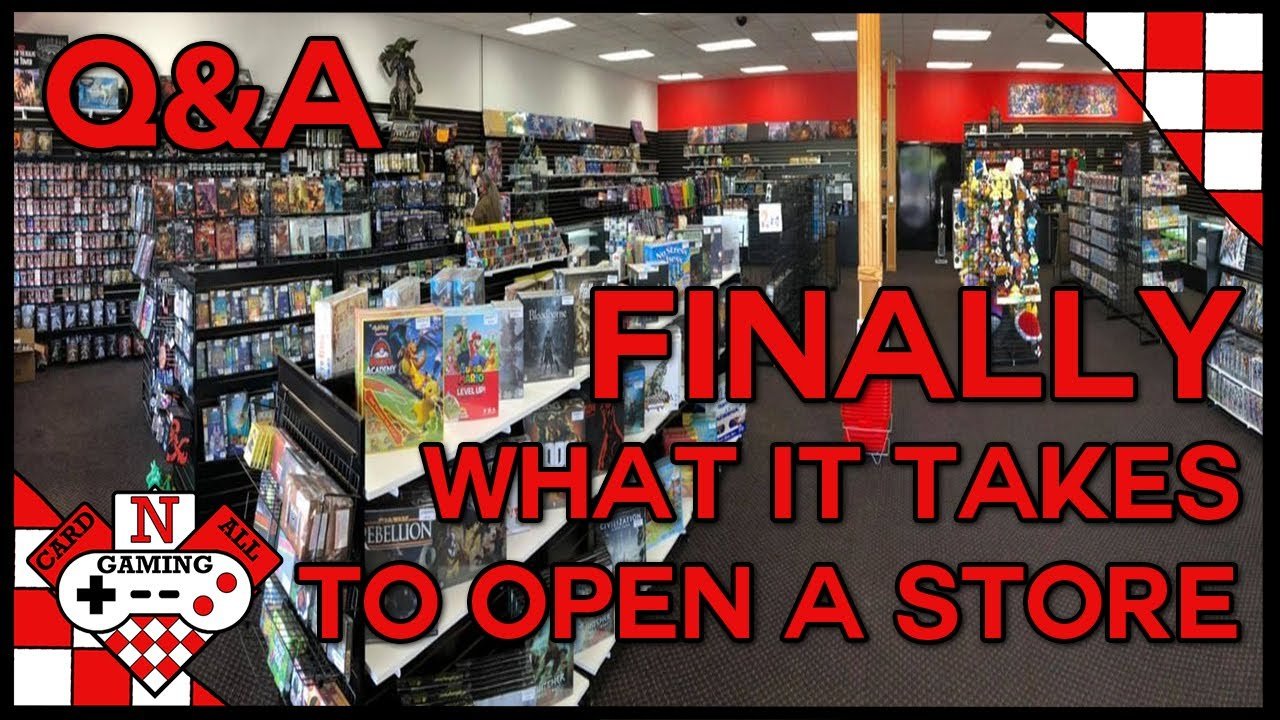
Starting a game shop requires creating a business plan, securing funding, finding a suitable location, acquiring inventory, and marketing your store.
Dreaming of a place where dice roll and cards shuffle all day? Thinking about how to start a game shop can be both exciting and a bit daunting. It takes planning and some solid steps to bring that dream to reality.
The journey to opening your own game store involves various stages. You will need to make some important decisions. This includes choosing a type of gaming focus.

How to Start a Game Shop
Starting a game shop is an exciting adventure! It’s more than just selling games; it’s about building a community where people can connect over their love for board games, card games, video games, and more. But, like any good adventure, it needs careful planning and preparation. This section will walk you through all the important steps, making sure you’re ready to open your very own game store.
Planning Your Game Store
Before you start buying inventory, it’s very important to create a solid plan. Think of this as your game’s rulebook – it guides you through the process!
Creating a Business Plan
A business plan is a map that guides your game shop to success. It helps you understand all of your goals, your customers, and how to make money. Here’s what your plan should include:
Executive Summary: This is a short overview of your entire plan. Think of it as the introduction to your game! It should state your business idea, your goals, and why you think it will succeed.
Company Description: This section explains your game store. What kind of games will you sell? Will you focus on board games, trading card games, video games, or a mix? Will you have space for people to play games?
Market Analysis: It’s crucial to know who your customers are. Are there other game shops nearby? What do people in your community like to play? Think of it as researching the playing field.
Products and Services: This outlines what you will sell, including games, accessories, and other merchandise. Will you offer game nights, tournaments, or repairs?
Marketing and Sales Strategy: How will you tell people about your store? Think about social media, local ads, or events. What makes your store special? How will you get people to visit?
Management and Organization: Who will be in charge? How will you organize your store? Will you have staff?
Financial Projections: This section dives into the numbers. How much money do you need to start? What do you expect your sales to be? This helps you understand if your game store will be profitable.
Choosing Your Niche
Game shops come in all shapes and sizes. Some focus on vintage video games while others specialize in trading card games like Magic: The Gathering. Choosing a niche helps you stand out from the competition. Here are some examples:
Board Game Cafes: These offer a space to play board games, along with food and drinks.
Collectible Card Game (CCG) Specialists: Focus on selling cards and accessories for games like Pokémon, Yu-Gi-Oh, and Magic: The Gathering. You could even host tournaments.
Video Game Retro Stores: Specialize in older consoles and games, tapping into nostalgia.
Tabletop Role-Playing Game (TTRPG) Hubs: Create a space for players of Dungeons & Dragons and similar games.
Hybrid Shops: Offer a mix of different types of games and accessories.
Think about what you’re passionate about and where you see a need in your community.
Setting Up Shop: The Practical Steps
Once you have your plan, it’s time to take practical steps to get your store running. This involves finances, finding the right location, and building up your inventory.
Securing Funding
Starting a game store requires money. Here are some common ways to get the funds you need:
Personal Savings: Using your own savings is a good start if possible.
Small Business Loans: Banks or credit unions can provide loans specifically for new businesses.
Investors: Find people who believe in your idea and are willing to invest.
Crowdfunding: Platforms like Kickstarter or GoFundMe let you ask many people to contribute small amounts.
Small Business Grants: Look for government grants or other programs that provide money for new businesses.
Before applying for funding, prepare a detailed financial projection showing how you plan to use the funds and repay any loans.
Finding the Perfect Location
Your location can make or break your game shop. Here’s what to consider:
Visibility: Is your store easy to see from the road?
Accessibility: Is there easy parking or access to public transport?
Foot Traffic: Is your store near other businesses or places that attract people?
Size: Do you have enough space for your products and potential game play areas?
Rent Costs: Can you afford the rent and other associated costs?
Consider the zoning regulations for your location. Some areas may not permit a retail business.
Setting Up Your Store
Making the store inviting and functional will make your customers want to visit.
Layout: Create a comfortable space that allows easy browsing and encourages people to explore. Consider how people will move throughout the space and design your shelving and display cases accordingly.
Atmosphere: Choose a theme or décor that aligns with your game niche. Fun, colorful, and exciting spaces work best in the world of games. Good lighting, comfortable seating (if you have space to play), and an overall welcoming feeling is key.
Organization: Arrange your inventory in a way that makes it easy for customers to find what they want. Group similar items together and use clear labels.
Point of Sale (POS) System: Get a reliable POS system for tracking sales and inventory. This is your cashier and inventory manager rolled into one.
Security: Implement security measures to prevent theft. This might include security cameras, a good alarm system, and being friendly with your local police force.
Filling Your Shelves: Inventory Management
A game shop without games is like a restaurant without food! Here’s how to manage your inventory.
Sourcing Your Inventory
Finding the best games to sell can be enjoyable, and there are many ways to find the right ones for your game shop:
Distributors: These are companies that sell games directly to retailers. Work with them to get bulk deals. Find reputable companies that can provide the product you need on time.
Direct from Publishers: Some game publishers sell directly to game stores.
Used Games: Some stores buy used games from customers to sell at a discounted price.
Consignment: Make deals with artists or small game creators to sell games and accessories.
Always check product quality, compare prices, and read reviews before making a purchase.
Managing Your Inventory
Keeping track of your inventory is crucial to ensure you always have what your customers want. Here are some tips for managing your inventory well:
Inventory Tracking: Use your POS system or spreadsheets to track what you have in stock.
Restocking: Set reminders for when to reorder popular items.
Special Orders: If a customer wants something you don’t carry, see if you can special order it for them.
Seasonal Trends: Games are often affected by trends, so keep in mind holiday shopping periods, new game releases, or changes in gaming popularity. Adjust your orders accordingly.
Storage: Store items properly to avoid damage or loss. You will want a clean, secure, and organized backroom to manage all your stock.
Pricing Strategy
Setting the right prices is important. Price too high, and customers may go elsewhere. Price too low, and you won’t make enough profit.
Competitor Analysis: Check how other game shops are pricing their products. Don’t price yours wildly higher than the competition.
Profit Margin: Make sure you price items to make a reasonable profit after covering costs.
Discounts: Offer discounts for loyal customers or during sales.
Clearance: Sell older items at reduced prices to make room for new stock.
Promoting Your Game Store
No one will visit your game store if they don’t know it exists! Here’s how to spread the word.
Creating a Brand
Your brand is your shop’s personality, which includes the name, logo, and style of your store. It should all reflect what your store is about.
Name: Choose a name that is catchy and memorable. It should also be relevant to your niche.
Logo: Design a logo that is appealing and reflects your brand. Consider the colors you use and what they make you think of.
Style: Everything about your store should be consistent, from the shop décor to your marketing materials.
Marketing Strategies
There are many ways to get the word out. Some common methods include:
Social Media: Use platforms like Facebook, Instagram, and Twitter to engage with customers and promote your store.
Local Advertising: Place ads in local newspapers, magazines, or community newsletters.
Community Involvement: Participate in local events or partner with other businesses.
Email Marketing: Build an email list and send out regular updates and promotions.
Website: Create a professional-looking website with information about your store and the products you sell.
Building a Community
A strong community is the heart of any successful game shop. Here’s how to create one:
Game Nights: Host regular game nights to bring people together.
Tournaments: Organize tournaments for specific games to attract competitive players.
Demo Days: Show off new games and teach people how to play them.
Loyalty Programs: Reward customers who return to your store.
Engage with Customers: Get to know your customers and their favorite games.
Legal and Financial Considerations
Before opening, ensure you’re following all legal and financial requirements. This can be difficult, but vital for your success.
Business Licensing and Permits
You will need to obtain the necessary licenses and permits to operate a business in your area.
Business License: Obtain a general business license from your local government.
Resale Certificate: This allows you to buy products without paying sales tax, since you will be collecting sales tax from your customers.
Special Permits: If you sell specific products like food or alcohol, or have special events like tournaments, you may need additional permits.
Contact your local government offices to learn exactly what you need.
Sales Tax and Taxes
You will need to collect and pay sales tax to the government. Also, make sure to file your income tax properly.
Sales Tax: Charge the correct amount of sales tax on every eligible sale.
Income Tax: Keep good records of your income and expenses to make sure you pay the correct income tax.
Accountant: It’s a good idea to hire a professional accountant to help you with your taxes and other financial matters.
Insurance
Make sure your business has the insurance it needs.
Liability Insurance: This protects your business if someone is injured on your premises.
Property Insurance: This covers your store and inventory if there is damage or theft.
Workers’ Compensation: If you have employees, you are legally required to have workers’ compensation insurance.
Day-to-Day Operations
Keeping your business going smoothly each day is very important.
Managing Staff
If you have employees, make sure you are a good boss.
Training: Train your staff to know the games and how to provide excellent customer service.
Scheduling: Make sure you have enough staff to cover your hours of operation.
Communication: Keep open lines of communication with your staff to make sure everyone is on the same page.
Employee Satisfaction: Treat your employees fairly and recognize their hard work.
Customer Service
Providing excellent customer service is what will keep people coming back.
Friendly Service: Always be friendly and helpful to customers.
Knowledgeable Staff: Make sure your staff knows about the games you sell.
Handling Complaints: Handle any complaints professionally and efficiently.
Feedback: Get feedback from your customers to see how you can improve.
Adapting to Change
The gaming world is always changing, and your shop should adapt with it.
Stay Updated: Keep up with the latest game releases and trends.
Be Flexible: Be willing to change your store’s operations to meet customer needs.
Listen to Customers: Use customer feedback to improve your business.
Analyze Your Results: Keep reviewing what works and what does not to get the best results for your shop.
Opening a game shop can be an amazing experience. With the proper planning, hard work, and love of the games, you can build a successful and vibrant community hub for years to come. Remember to adapt to your community and listen to the needs of your customers.
Remember the fun in gaming, and bring that joy to your store. It’s more than just business, it is about sharing something you love with others.
How to Open A Local Game Store- Motivation
Final Thoughts
To start a game shop, develop a solid business plan. Research your target audience and secure funding. Find a suitable location and source your inventory. These initial steps are crucial for success.
Next, establish your brand and build an online presence. Engage with the community and provide excellent customer service. A strong marketing strategy is a must. Learn the processes involved to effectively run the business.
Ultimately, understanding these core elements is vital to how to start a game shop. You must handle operational challenges and adapt to market changes. Consistent efforts will contribute to a thriving game business.

