
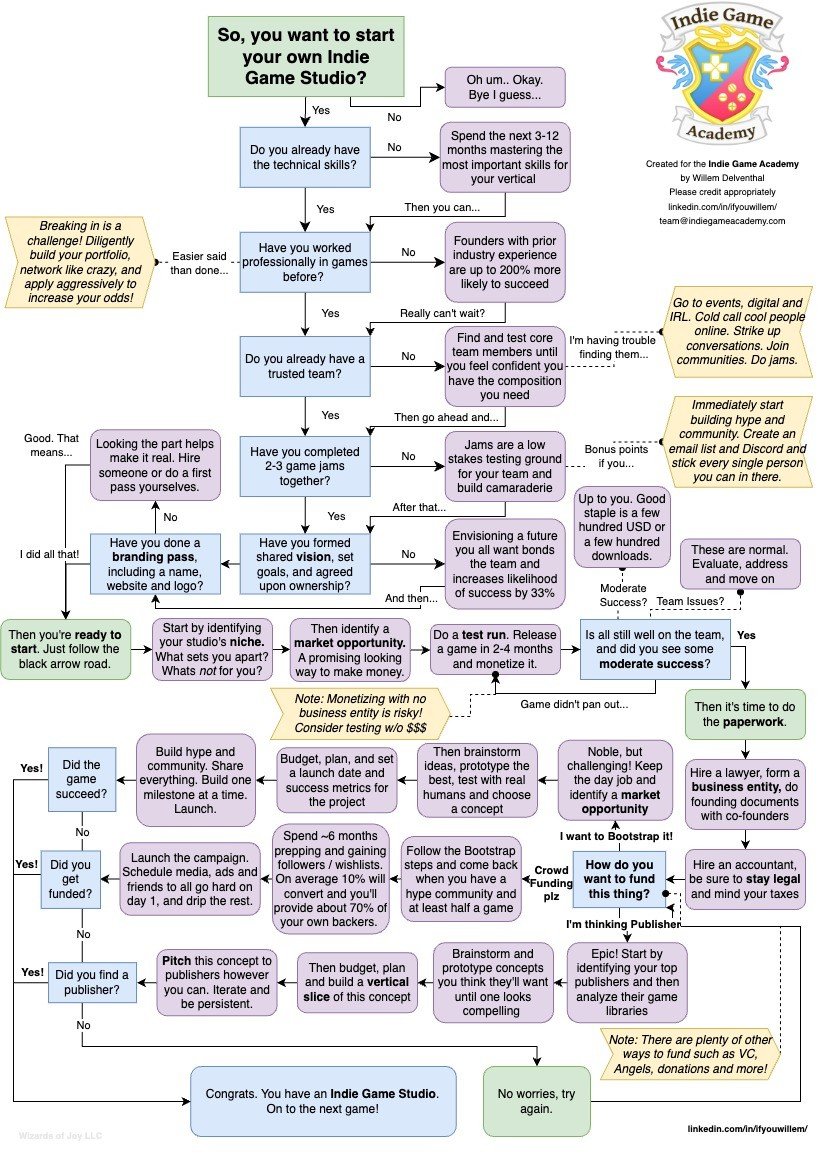
Starting a game studio requires a solid plan involving market research, securing funding, assembling a talented team, and then consistent game development and marketing efforts.
Ever dreamt of building your own gaming empire? Wondering how to start a game studio? It’s an exciting, yet challenging path. This journey needs a blend of passion and business acumen.
The process involves defining your unique vision, forming a dedicated team, and managing the financial aspects. Remember, creating great games also involves understanding the market.

How to Start a Game Studio
So, you’ve got a passion for video games, maybe a fantastic game idea bubbling in your mind, and the dream of creating your own studio. That’s awesome! Starting a game studio is a big adventure, a mix of creativity, business smarts, and a whole lot of hard work. It’s not just about making games; it’s about building a team, managing finances, and sharing your creations with the world. Let’s break down how to turn that dream into a real, thriving studio.
Laying the Foundation: Planning Your Studio
Before you even think about coding or drawing, you need a solid plan. This is where you decide what kind of studio you want to be and how you’re going to make it happen.
Defining Your Studio’s Identity
What kind of games do you want to make? This is a crucial question to answer. Do you love creating fast-paced action games? Or do you prefer puzzle games that make you think? Are you all about online multiplayer experiences? Or small, story-driven indie games? Knowing your studio’s focus will help you attract the right talent and appeal to a specific audience. Consider these questions:
- Genre Focus: Will you stick to one genre or explore different ones?
- Target Audience: Who are you making games for? Kids, teenagers, adults, specific groups of people?
- Platform Focus: PC, consoles, mobile, or all of the above?
- Studio Culture: Do you want a formal, structured environment or something more relaxed and creative?
Understanding these aspects will guide your decision-making as your studio grows.
Crafting a Business Plan
A business plan is your roadmap. It outlines your goals, how you’ll achieve them, and how you’ll make money. It’s not just for getting funding; it’s a critical tool for staying on track. Here are the key components:
- Executive Summary: A quick overview of your studio, mission, and goals.
- Company Description: Details on your studio, including its name, location, and structure.
- Market Analysis: Research into the gaming market, including competitors, trends, and audience.
- Products and Services: Descriptions of the games you plan to create.
- Marketing and Sales Strategy: How will you reach your audience and sell your games?
- Management Team: An overview of the key people involved in the studio and their backgrounds.
- Financial Projections: Your expected income, expenses, and profits. This is important for investors and your own planning.
- Funding Request: How much money you will need to get your game studio started.
A well-written business plan will help secure funding from investors, gain partners, and set realistic targets. It will also help you identify any pitfalls early on.
Choosing a Business Structure
Your studio needs a legal structure. Are you going to be a sole proprietorship, a partnership, a Limited Liability Company (LLC), or something else? Each option has different legal and tax implications. It’s a good idea to talk to a lawyer or business advisor about which option is best for you. Common business structure choices are:
- Sole Proprietorship: The business is owned and run by one person. Simple to set up, but you are personally liable for business debts.
- Partnership: Two or more people share ownership. Responsibilities and profits are usually split according to a partnership agreement.
- Limited Liability Company (LLC): Offers some of the benefits of both partnerships and corporations. Protects your personal assets from business debts.
- Corporation: A more complex structure, often used by larger companies. Provides strong liability protection but has more stringent regulations.
Select the structure that suits your needs and goals, and make sure you are compliant with all legal requirements.
Building Your Team
No one builds a game all by themselves. Having the right team is vital for success. This involves finding people with skills in different areas who are passionate about game development.
Identifying Key Roles
Different people are involved in making different games. When you are starting your studio, you will want to consider these roles:
- Game Designer: Comes up with the game idea, rules, and overall experience.
- Programmer: Writes the code to make the game work.
- Artist: Creates the visual elements, like characters, environments, and user interfaces.
- Sound Designer/Composer: Creates the sound effects and music for the game.
- Producer/Project Manager: Keeps the team organized, on schedule, and within budget.
- Marketing and PR: Promotes the game to the public.
Depending on the size of your studio, some people might wear multiple hats, especially when starting out. As you grow, you can add specialists in each role.
Finding the Right People
How do you find talented people? Here are a few places to look:
- Online Communities: Websites like IndieDB, Discord servers, and game development forums are full of passionate developers.
- Game Development Schools: Connect with colleges and universities with game development programs.
- Job Boards: Sites like LinkedIn, Indeed, and specialized game job boards are great places to post openings.
- Networking Events: Attend game conferences and meetups to connect with potential team members.
When interviewing potential team members, look for talent, passion, and a good cultural fit. You will want people who are excited about your studio and its vision.
Building a Positive Work Environment
Happy people make great games. Create a work environment where everyone feels valued, respected, and creative. Here are some steps to achieve that:
- Communication: Make sure everyone knows what’s happening and feels comfortable sharing their ideas.
- Collaboration: Encourage teamwork and idea sharing, so everyone feels part of the development process.
- Fair Compensation: Pay your team fairly and provide benefits. Happy employees are more likely to stay and produce great work.
- Opportunities for Growth: Provide ways for your team to improve their skills. Training, learning, and development should be an ongoing process.
- Recognition: Recognize and appreciate the work of your team. Positive feedback boosts morale and creativity.
A positive work culture helps retain team members, produce better work, and make the game-development process more enjoyable.
Game Development Process
Now, let’s talk about making the actual games. There’s more to it than just coding and drawing. It’s a structured process that involves several important steps.
Pre-Production: Concept to Plan
This phase is all about planning and figuring out the details of your game.
- Idea Brainstorming: Gather your team and come up with exciting game concepts.
- Game Design Document (GDD): Create a thorough document that outlines everything about the game, including the story, mechanics, characters, and user interface.
- Prototyping: Build a basic version of your game to test its core mechanics.
- Art Style and Assets: Decide on the game’s visual style and create initial concept art.
- Sound Design: Start thinking about the sound effects and music that will fit your game.
This phase will help you catch problems early and set you up for a smooth development process.
Production: Building the Game
This is where the real work happens, and you put everything together.
- Coding: Programmers write the code that makes the game run.
- Art Creation: Artists create the visual assets for the game.
- Sound Implementation: Sound designers add the sound effects and music.
- Testing: Playtest your game regularly and gather feedback from the team and outside testers.
- Iteration: Make changes to the game based on testing and feedback. This is an ongoing process throughout the production cycle.
The production phase usually takes the longest time. Regular communication and collaboration within your team are key to keeping the project on track.
Post-Production: Polishing and Launching
Your game is almost ready, but there are a few more steps you need to take before launching it.
- Bug Fixing: Fix any remaining bugs to provide a smooth experience for players.
- Optimization: Make sure the game runs well on different hardware.
- Localization: Translate your game into different languages if required.
- Marketing: Promote your game to the public by creating marketing material, trailers, and press releases.
- Launch: Release your game to the market.
Post-production is a vital step. The polish you provide during this phase can have a huge impact on your game’s success.
Finance and Funding
Making games can be expensive. You’ll need to plan how you’ll pay for development, marketing, and other expenses. Here’s a look at finance and funding.
Budgeting and Expense Tracking
Careful financial management is crucial for running a successful game studio.
- Create a Detailed Budget: Understand all your expenses, including salaries, equipment, software licenses, and marketing costs.
- Track Your Spending: Monitor your finances closely and stay on top of expenses.
- Allocate Resources: Prioritize spending based on the most important needs of your studio.
- Review Financial Reports: Use financial reports to track spending and identify financial problems.
Good financial management means staying organized with your money and making sure you’re not spending more than you earn.
Funding Options
Where will your money come from to start and run the game studio? Here are a few options:
- Personal Savings: Using your own money can be a good start, but it also puts you at risk if the studio does not make money.
- Loans: You can get loans from banks or other lending institutions, but you’ll have to pay them back with interest.
- Investors: Finding people to invest in your studio, usually in exchange for a part of the studio’s profits.
- Publishers: Partnering with a publisher to get financial support. They typically take a cut of your profits in exchange for funding and publishing services.
- Crowdfunding: Using platforms like Kickstarter or Indiegogo to get small amounts of money from lots of people who want to see your game be made.
- Grants and Government Funding: Some government programs and organizations offer grants for creative projects.
It’s crucial to explore all your funding options and figure out what works best for your particular situation.
Managing Cash Flow
Make sure money is always moving. Cash flow is the movement of money in and out of your business. Make sure to:
- Track Incoming Funds: Keep track of money coming in from sales, investments, or other sources.
- Track Outgoing Payments: Keep track of money going out to pay for expenses like salaries, marketing costs, etc.
- Plan for Future Needs: Know how much money you need to keep your business running, to avoid running out of cash when you need it most.
Good cash flow management means your studio is always able to pay bills and make the best investment decisions.
Marketing and Publishing
Making a great game is only half the battle. You have to make sure people know about it! Let’s discuss how to market and publish your games.
Developing a Marketing Strategy
Marketing will help you reach the audience you are trying to reach. Marketing strategy includes:
- Identifying Your Target Audience: Understand who you’re trying to reach, and tailor your marketing to that group of people.
- Creating a Brand Identity: Make sure your studio has a unique visual style and personality that people will recognize.
- Setting Marketing Goals: Figure out what you want to achieve, whether it is selling a certain number of copies, or getting a lot of people to play the game.
- Creating a Marketing Plan: Create a plan for marketing your game. This plan should cover everything you will do to market your game.
Marketing Channels
Using multiple marketing channels to reach people is best for any game company. Different marketing channels include:
- Social Media: Build a presence on platforms like Twitter, Facebook, and Instagram. Use these platforms to engage with players.
- Website and Blog: Create a website where people can learn about your games, and write blog posts about the development process.
- Trailers and Gameplay Videos: Create high-quality videos to show your game. These videos will help get people interested in buying your game.
- Press Releases: Send press releases to game journalists and influencers so they can write about your game.
- Game Conferences and Events: Showcase your game at conferences like PAX and Gamescom.
- Influencer Marketing: Work with game streamers and YouTubers to promote your game.
A good marketing strategy means using multiple channels to reach the widest audience. Experiment with different channels to see which works best for you.
Publishing Your Game
Publishing means getting your game into the hands of players. Here are the different options:
- Self-Publishing: You release the game on your own. This gives you more control, but also more responsibilities.
- Partnering with a Publisher: A publisher can handle marketing, distribution, and other aspects of publishing. This can make it easier for you to get your game out into the world.
- Platform Stores: Release your game on stores like Steam, PlayStation Network, and Nintendo eShop.
- Mobile App Stores: Release your mobile game on the Apple App Store or Google Play Store.
Think about which approach best suits your goals and situation. Make sure that the decision you make best suits your goals.
Legal Considerations
Game development also includes legal considerations. To protect yourself, it is best to:
Protecting Your Intellectual Property
Game studios make many things and it is important to legally protect these. Here are the steps you can take:
- Copyright: Copyright protects your games, art, music, and code from being copied.
- Trademarks: Trademark your studio’s name, logo, and game titles.
- Patents: If your game has unique mechanics or technology, you may be able to patent it.
- Legal Agreements: Have contracts and agreements in place when working with other people.
Making sure your intellectual property is protected will mean your creations are safe from others trying to steal them.
User Agreements and Privacy Policies
If your game is an online game, you will need user agreements and privacy policies. These documents explain to users:
- Terms of Service: Rules and guidelines users must follow to play your game.
- Privacy Policy: How you collect, use, and protect user data.
- Compliance with Regulations: Ensure that you are compliant with data protection laws like GDPR and COPPA.
It is important that your user agreements and privacy policies are clear and easy to understand. Ensure that you comply with all regulations.
Contracts with Team Members and Partners
When working with other people, it is always important to have a legal contract or agreement that includes:
- Clear Roles and Responsibilities: What each person will do and what they are responsible for.
- Ownership of Intellectual Property: Who owns the rights to work created.
- Payment Terms: How much they will get paid and when.
- Confidentiality Agreements: Make sure that sensitive information about your game is kept secret.
A legally binding contract is essential when working with people. Make sure that everything is clear to everyone.
Scaling and Growth
Once your studio is up and running, you will want to think about how it can grow. Scaling and growth is important for the long-term success of your game studio.
Expanding Your Team
As you make more games, it is likely that you will need to expand your team. When hiring people:
- Assess Your Needs: Do you need more programmers, artists, or someone else?
- Create Clear Job Descriptions: Describe what the role will be and what is required for people applying for that job.
- Take Your Time: Don’t rush the hiring process. Make sure you select the right person for the role.
When scaling your team, make sure you hire the right people to ensure the growth and development of your studio.
Exploring New Game Ideas
Avoid making the same types of games over and over. To ensure the long-term success of the studio you will need to:
- Keep Brainstorming: Keep generating new ideas for the type of games you can make in the future.
- Look at Trends: What types of games are popular?
- Look at the Market: What types of games are missing from the market?
Making different types of games will help you stay relevant and successful.
Reaching New Markets
Avoid limiting yourself to the market you are currently in. When exploring new markets:
- Translate Your Games: Translate your games into different languages to reach more players.
- Explore Different Platforms: Develop your games for different platforms.
- Understand Local Culture: Learn what appeals to the people in different areas.
Reaching new markets means you can grow your audience and the reach of your game studio.
Building a Strong Studio Brand
Make sure that your studio is well-known in the game development community. Ensure that your studio:
- Has a Clear Vision and Identity: Make sure your studio has a unique style and personality.
- Produces Quality Games: Focus on making games that people will love.
- Communicate with Your Players: Engage with your audience, listen to their opinions, and build a strong following.
A strong brand helps build trust and will enable you to create and release more games.
Starting a game studio is a huge challenge, but also a really rewarding one. It takes time, effort, and a whole lot of passion to turn your dreams into reality. With careful planning, good communication, the right team, and a strong work ethic, you can build a successful and creative game studio. Keep learning, keep experimenting, and most importantly, keep making games!
How To Start A Game Studio (LEGALLY)
Final Thoughts
Starting a game studio involves planning. Secure funding and assemble a talented team. Prioritize your first project, focusing on a manageable scope.
Marketing and community engagement are must. Build relationships early with players and press. Understand ‘how to start a game studio’ requires both creativity and business sense.

