
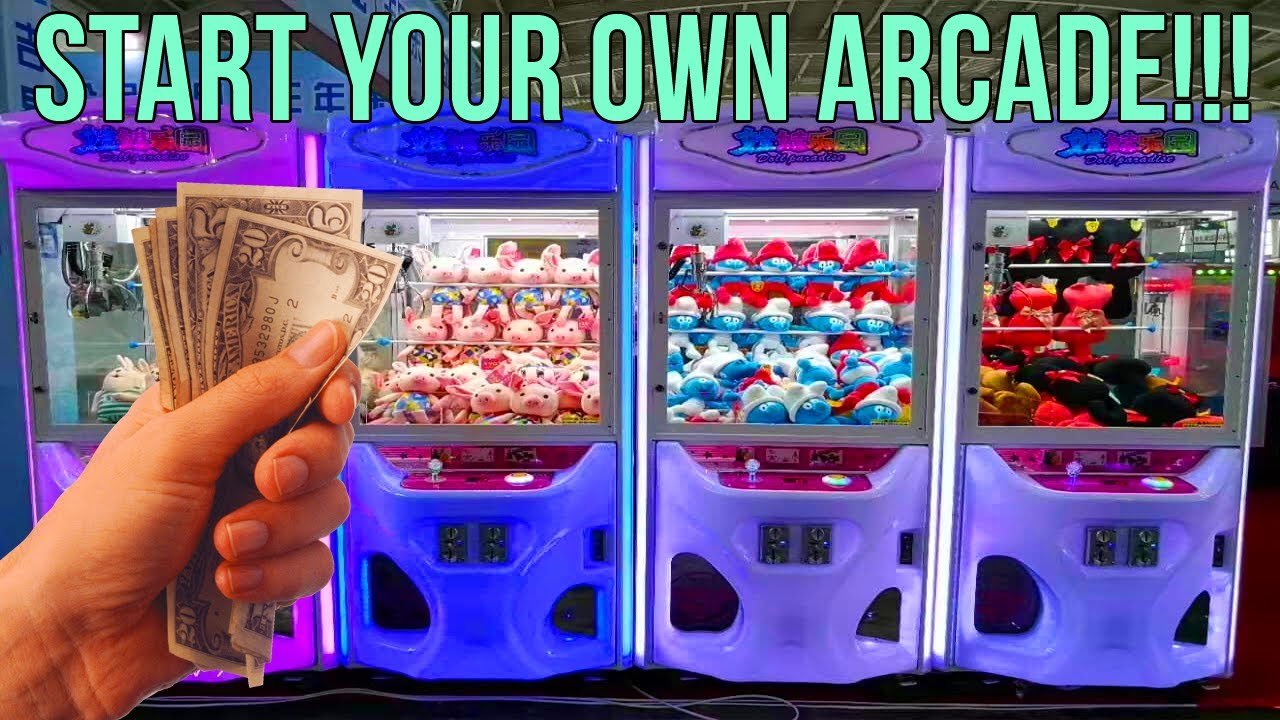
Starting an arcade game business requires securing funding, choosing a location, acquiring games, and obtaining necessary permits.
Remember the excitement of flashing lights and the satisfying clink of tokens? The dream of owning that very place is more attainable than you think. This article guides you through the essential steps for how to start an arcade game business. Planning is key, and understanding each aspect, like choosing your perfect games and location, will greatly influence your success. From initial investments to opening day, this guide provides necessary details.

How to Start an Arcade Game Business
So, you’re dreaming of flashing lights, the exciting sounds of game music, and the happy faces of people having a blast? Starting an arcade game business can be a super fun and rewarding adventure! But, like any good game, it takes planning, strategy, and a little bit of hard work to win. Let’s dive into all the steps you’ll need to make your arcade dream a reality.
Planning Your Arcade Adventure
Before you buy a single joystick or start ordering pizza for your grand opening, you need a solid plan. Think of this as your game manual – it’ll guide you through the process.
Define Your Arcade’s Theme
What kind of arcade do you want to create? Is it a retro haven with classic games like Pac-Man and Donkey Kong? Or a modern wonderland with the latest virtual reality experiences? Maybe a mix of both? Here are a few ideas:
- Classic Arcade: Focus on games from the 70s, 80s, and early 90s. Think neon lights, simple graphics, and the charm of yesteryear.
- Modern Arcade: Feature newer games with advanced graphics, motion sensors, and even virtual reality. This attracts younger crowds and those who love cutting-edge technology.
- Family-Friendly Arcade: Mix games suitable for all ages, including redemption games (where you win tickets for prizes), and maybe even some kid-sized machines.
- Niche Arcade: This could be a focus on a specific genre, like fighting games, rhythm games, or pinball. It might appeal to a very dedicated player base.
Pick a theme that excites you and that you think will draw in your target audience. Remember, a clear theme can help guide all your future decisions.
Research Your Local Market
It’s time to do some detective work! You need to figure out if there are enough potential customers in your area to support an arcade. Here’s how:
- Check out the competition: Are there any other arcades nearby? If so, what kind of games do they offer? What are their prices? How do they attract customers?
- Talk to people: Ask friends, family, and people in your community if they’d be interested in an arcade. What kind of games do they enjoy? What prices are they comfortable with?
- Look at demographics: Who lives in your area? Are there lots of families with kids? Are there college students? Knowing who your potential customers are will help you choose games they will love.
This research will help you figure out your potential customer base and if there is space for your arcade in the local market. You want to offer something unique and exciting that no one else has.
Write a Business Plan
Now, it’s time to put all your ideas on paper. A solid business plan will help you organize everything and secure any funding you may need.
Your business plan should include:
- Executive Summary: A short overview of your business idea.
- Company Description: What kind of arcade are you creating? What makes it unique?
- Market Analysis: Information from your research on the local market.
- Products and Services: What kind of games will you offer? Will you have food and drinks? Prizes? Parties?
- Marketing and Sales Strategy: How will you get people to come to your arcade?
- Management Team: Who will be running the arcade? What are their skills?
- Financial Projections: How much money will it cost to start your arcade? How much money will you make?
- Funding Request (If needed): If you need to borrow money to start your arcade, explain how much you need and how you will pay it back.
A business plan is a living document. You can always update it as your arcade business grows. It is the roadmap that will help you throughout your journey.
Finding the Perfect Location
The right location can make or break your arcade. You want a place that is easy to get to and attracts the right kind of customers.
Consider Accessibility and Visibility
Your arcade needs to be easy to find and easy to get to. Look for:
- Plenty of parking: Make sure there is enough space for people to park their cars.
- Good public transportation: Being near bus stops or train stations can help more people visit your arcade.
- High visibility: Your arcade should be easy to see from the street. A location with a clear storefront and visible signage is ideal.
- Safe area: Make sure the neighborhood around your arcade is safe, day and night.
The more accessible your arcade is, the easier it will be for people to visit.
Think About the Space Requirements
How much space will you need? This will depend on how many games you want to have and what kind of atmosphere you want to create.
- Game Area: You’ll need enough space for all your games, with enough room for people to move around comfortably.
- Prize Area: If you offer redemption games, you’ll need a space to display the prizes.
- Party Area (optional): If you want to host birthday parties, you’ll need a dedicated space for celebrations.
- Restrooms: Make sure you have enough restrooms for your customers.
- Storage Space: You’ll need a place to store extra equipment and supplies.
Make sure to plan the layout of your arcade so that it is fun, engaging, and easy to move around in.
Negotiating a Lease or Purchase
Once you’ve found the right location, you’ll need to negotiate a lease or purchase the property. Here are a few important things to keep in mind:
- Read the contract carefully: Make sure you fully understand all the terms and conditions of the lease before signing anything. If you have questions, consult a legal professional.
- Negotiate the price: You can usually negotiate the monthly rent or the purchase price. Do your research and know what fair market value is for the location.
- Consider the lease length: You’ll need enough time to establish your business. A shorter lease can be risky, but a longer one can be more secure.
- Understand your responsibilities: Who is responsible for maintenance and repairs? Be sure to understand the agreement thoroughly.
Negotiating the terms of your lease or purchase contract is important. Don’t be afraid to ask questions and negotiate what is best for your arcade business.
Selecting Your Games and Equipment
The games are the heart of your arcade, so you want to choose them carefully. It is essential to make sure that you are choosing right games and equipment.
Buying New vs. Used Machines
You have the option of buying new or used arcade machines. Here are some things to think about:
- New Machines: They are more expensive, but they come with warranties and are usually more reliable. They also offer the newest gameplay and features.
- Used Machines: They are cheaper, but may need repairs or upgrades. It’s important to carefully inspect used machines before you purchase them.
- Mix and match: Many arcades do a mix of new and classic games to cater to different preferences and budgets.
Consider your budget and the kind of games you want to offer to figure out what mix is right for your arcade.
Choosing the Right Games
When choosing games, consider your target audience and the theme of your arcade.
- Classic Games: Pac-Man, Donkey Kong, Galaga, and other classics have a strong nostalgic appeal.
- Modern Games: These might include racing games, fighting games, and first-person shooters.
- Redemption Games: Games where you win tickets for prizes can be a big draw for families and kids.
- Unique Games: Consider games that are not found in every arcade, like rhythm games, air hockey, or virtual reality experiences.
- Variety is key: Make sure you have a mix of different game types to appeal to a wider audience.
Keep your arcade fresh and exciting by rotating games and adding new ones regularly.
Sourcing Equipment
Once you know what games you want, you’ll need to find reliable sources to buy or lease them from. Look for:
- Reputable Distributors: Find distributors that offer warranties and can help with repairs.
- Online Marketplaces: Check online marketplaces for used arcade games. Be cautious and only buy from trustworthy sellers.
- Local Suppliers: See if there are any local suppliers who can provide the machines you are looking for.
- Trade Shows: Go to arcade game trade shows to find new and used games, and network with suppliers.
Doing your research can help you find the best deals and reliable machines for your arcade.
Maintenance and Repair
Arcade games need regular maintenance to keep them running smoothly. You’ll need to:
- Learn basic repairs: Learn how to fix common problems with your machines.
- Have a repair plan: Find a technician or hire someone who can handle more complicated repairs.
- Keep machines clean: Regular cleaning will keep your arcade and its machines in top condition.
- Keep spare parts: Have some spare parts on hand so you can quickly fix any issues.
Regular maintenance can help you save money on repairs in the long run and keep your customers happy.
Setting Up Your Arcade
Now that you have your games, it’s time to set up your arcade. Creating the right atmosphere can make all the difference.
Arranging the Games and Layout
Plan the layout of your arcade to make it engaging, fun, and easy to navigate. Consider:
- Game Placement: Put popular games in high-traffic areas and organize games of similar styles together.
- Walkways: Make sure there is enough space for people to move between machines without bumping into each other.
- Seating Areas: Provide comfortable seating so people can take breaks and relax.
- Lighting: Use bright and inviting lighting. Neon lights can give your arcade a cool, retro feel.
- Sound: Set the volume at a comfortable level. You want to create a fun and exciting atmosphere without being too loud.
A well-planned layout will make your arcade more enjoyable for everyone.
Creating a Fun Atmosphere
Beyond the games, the overall atmosphere of your arcade is what keeps people coming back. Think about:
- Music: Play upbeat and fun music that fits the theme of your arcade.
- Decorations: Use decorations that match the style of your arcade. Posters, murals, and props can add character to the space.
- Cleanliness: Keep your arcade clean and well-maintained at all times. This includes the games, bathrooms, and floors.
- Friendly staff: Your employees should be welcoming and helpful. They can make a big difference in your customers’ experiences.
Make sure that the environment is welcoming and pleasant, so that your customers have a good time.
Safety Considerations
Safety should always be a top priority. Consider:
- Emergency Exits: Clearly mark all emergency exits.
- First Aid Kit: Keep a well-stocked first aid kit on hand.
- Fire Safety: Make sure you have the necessary fire extinguishers and follow all fire safety regulations.
- Surveillance: Install security cameras to prevent theft and ensure the safety of your customers and equipment.
It is vital to make sure that your arcade is safe and secure for everyone.
Finances and Legalities
Starting an arcade business involves a fair amount of paperwork and legal compliance. This is very important to be compliant and make sure everything is in order.
Securing Funding
You’ll need money to get your arcade up and running. Consider these options:
- Personal Savings: If you have savings, that can be a great place to start.
- Loans: You can apply for a small business loan from a bank or credit union.
- Investors: You can seek out investors who are interested in helping you start your arcade.
- Crowdfunding: Launch a crowdfunding campaign to raise money from friends, family, and the community.
Before you borrow or raise money, have a solid business plan and understand your financial needs.
Understanding Permits and Licenses
You will need to obtain the necessary licenses and permits before opening your arcade. These may include:
- Business License: Most cities or counties require a general business license.
- Sales Tax Permit: You’ll need a permit to collect sales tax.
- Amusement License: You may need a specific license for operating an arcade.
- Health Permit: If you plan to sell food and drinks, you’ll need a health permit.
- Building Permits: You might need building permits if you make changes to your arcade space.
Check with your local government to find out what licenses and permits you need.
Setting Prices
Figuring out how much to charge for your games is important for the success of your arcade. Consider:
- Game Cost: Consider the cost of maintaining and operating each game.
- Competition: Check the prices at other arcades in your area.
- Target Audience: What prices will your customers be willing to pay?
- Special Offers: Offer discounts for bulk game play or special days.
You will need to find a balance between setting a price that is attractive to your customers and still make a profit.
Managing Finances
Keeping track of your income and expenses is vital for your business success. Here are some key things to consider:
- Open a business bank account: Keep your personal and business finances separate.
- Track expenses: Keep track of all your business expenses so that you know where your money is going.
- Manage cash flow: Make sure that you have enough money to pay your bills and keep your business running.
- Seek professional help: If you need it, consult with a bookkeeper or accountant.
Sound financial management will help keep your business healthy and successful.
Marketing Your Arcade
Once you have set everything up, you need to let people know about your arcade. A good marketing strategy can help you attract customers.
Building an Online Presence
In today’s world, having an online presence is essential. Create:
- Website: Create a professional website that is easy to navigate. Include information about your arcade, hours of operation, prices, and special events.
- Social Media: Be active on social media platforms like Facebook, Instagram, and TikTok. Share pictures and videos of your arcade, announce special events, and engage with your followers.
- Online Listings: Make sure that your arcade is listed on online directories like Google Maps and Yelp.
Having an online presence can help people find your arcade and learn more about what it offers.
Local Advertising
Don’t forget about traditional ways to spread the word. Consider:
- Local Newspapers: Advertise in local newspapers and magazines.
- Radio Stations: Use local radio stations to promote your arcade.
- Flyers and Posters: Distribute flyers and posters in your community.
- Partner with local businesses: Team up with other businesses in your area to cross-promote each other.
Reaching out in your community is a great way to drive local traffic to your arcade.
Special Events and Promotions
Keep things exciting with special events and promotions. Consider:
- Grand Opening Party: Plan a grand opening party to get people excited about your arcade.
- Themed Nights: Host themed nights, such as retro night, family night, or tournaments.
- Birthday Parties: Offer birthday party packages.
- Loyalty Programs: Create a loyalty program to reward frequent customers.
Special events and promotions can help you attract new customers and keep current ones engaged.
Engaging with Customers
Getting and keeping customers is a key component for your arcade’s success. Make sure to:
- Listen to feedback: Pay attention to what your customers are saying and use it to improve your business.
- Respond to reviews: Respond to online reviews, both good and bad.
- Be friendly and helpful: Make sure your staff is welcoming and helpful.
- Build a community: Create a welcoming environment where customers feel like they belong.
Engaging with your customers helps build loyalty and makes them feel valued.
Starting an arcade business is a big task, but it can be very rewarding. It requires hard work, planning, and a great love for games. Follow these steps, and you’ll be well on your way to creating an awesome arcade that people will love.
How to Start an Arcade Business | Starting an Arcade Game Business
Final Thoughts
To begin, finalize your arcade’s concept and secure funding. Then, find a suitable location, acquire the necessary gaming machines, and obtain proper licensing. Consider your target audience.
Following that, market your arcade effectively. Create an inviting atmosphere and provide excellent customer service. Offer a range of games to attract diverse players.
Ultimately, success depends on careful planning and consistent effort. This approach explains precisely how to start an arcade game business. Your passion for gaming must be accompanied by solid business strategies to achieve your goal.

