
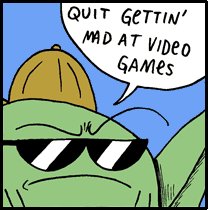
Stop getting mad at games by recognizing frustration triggers, taking breaks, and focusing on the fun, not just the outcome.
Ever felt your blood pressure spike after a tough loss? We’ve all been there, controller in hand, feeling that familiar wave of anger. It’s completely normal to feel emotions while playing, but when those feelings turn to rage, it’s time to take a step back. Learning how to stop getting mad at games is actually very important.
This isn’t about becoming emotionless robots; it’s about enjoying gaming without letting it control your mood. The goal is to reclaim the fun, and we’re about to explore some simple ways to do just that.

How to Stop Getting Mad at Games
Okay, let’s be honest. We’ve all been there. That moment when the controller almost flies across the room, or you feel your face getting hot. Getting angry at games is a totally normal thing, but it’s no fun! It can make playing games more stressful than enjoyable. So, how do you keep your cool when things get tough? It’s all about learning some tricks and changing how you think about games. This guide will show you helpful ways to manage your frustration, so you can get back to having fun.
Understanding Why We Get Mad at Games
Before we dive into solutions, let’s try to understand why games sometimes make us so mad. It’s not just about losing; it’s often more complex than that.
The Feeling of Losing Control
One big reason we get angry is the feeling of losing control. When a game throws a curveball, like a surprise attack or an unexpected game mechanic, we can feel like we don’t have power over what’s happening. We put in effort, but something unpredictable messes everything up. This can make us feel frustrated and powerless, triggering anger.
The Pressure to Perform
Many games push us to perform well. Whether it’s a competitive match or a challenging single-player experience, the pressure to win or to achieve something can be intense. This pressure can make us more sensitive to mistakes, making each failure feel like a bigger deal than it is. When we fail to meet our own expectations, it’s easy to get upset.
The Role of Competition
Competition, while fun, can also be a source of anger. Whether it’s playing against friends or strangers online, the desire to win can be very strong. When we lose, especially repeatedly, it can feel like a personal defeat. We might feel like we’re not good enough, which can lead to frustration and anger.
The Frustration of Unfairness
Sometimes, we get mad because it feels like the game isn’t fair. Maybe there’s lag online, or a game mechanic feels unbalanced. When we feel like we’re being cheated, it’s easy to get angry. The feeling of unfairness makes it seem like our efforts don’t even matter, making frustration inevitable.
Emotional Investment
We sometimes get so into a game that we start to really care about our characters, progress, and goals. This emotional investment means that a loss or a setback feels more personal. When our virtual world is disrupted, we can react emotionally, and that emotion can sometimes be anger.
Practical Strategies to Manage Game-Related Anger
Now that we have looked at some of the reasons why we get mad at games, let’s explore practical steps that can help you manage your frustration and keep your cool.
Take Breaks When You Feel Frustrated
One of the simplest but most effective ways to handle frustration is to take a break. When you feel your anger rising, it’s a good sign to step away. Even a few minutes can make a big difference.
- Step away from the screen: Get up and walk around, stretch, or do something different.
- Take deep breaths: Slow, deep breaths help calm you down. Breathe in through your nose and out through your mouth.
- Engage in a different activity: Read a book, listen to music, or do a quick chore.
Giving yourself a break allows you to reset and approach the game with a calmer mindset.
Reframe Your Mindset: It’s Just a Game
It’s easy to get caught up in the moment and forget that, at the end of the day, games are just for fun. Here’s how to change your thinking:
- Focus on the fun: Remember why you started playing the game in the first place. Was it to relax, challenge yourself, or have fun with friends? Try to recapture that original intention.
- See mistakes as learning opportunities: Every loss or mistake is a chance to improve. Ask yourself what you could do differently next time instead of getting upset.
- Lower the stakes: If a particular part of the game is making you angry, lower the difficulty setting or try a different part of the game. Remind yourself that it’s okay to not always be perfect.
Improve Your Skills Through Focused Practice
Sometimes, anger comes from feeling like you’re not good enough at the game. Improving your skills can boost your confidence and reduce frustration. However, it’s important to approach it in a calm and focused way:
- Break down skills: Focus on specific areas you want to improve, like aiming, building, or strategy.
- Use training modes: Many games have training modes specifically designed to help you practice. Use these to focus on specific skills without the pressure of competition.
- Watch tutorials: There are tons of resources available online, such as YouTube videos and guides. Watch and learn from expert players.
- Practice consistently: Practice regularly, but in short bursts. You’ll make progress much faster than trying to do it all in one session.
Manage Your Expectations
Setting realistic expectations can really help keep frustration at bay. You can’t expect to win every match, or to learn a complex game mechanic instantly. Think about these points:
- It takes time to get good: Accept that learning a game takes time and effort, and that mistakes are part of the process.
- Everyone has bad games: Even pro players have off days. It’s normal and nothing to be ashamed of.
- Focus on progress, not perfection: Celebrate your small improvements, like getting a little better at aiming or understanding the game mechanics better.
Communicate and Play With Others Positively
Playing with others can enhance the fun but it can also sometimes create frustration. Here’s how to make your multiplayer experiences better:
- Choose your team wisely: If you’re playing with friends, choose people who make the game fun and who also aren’t too competitive.
- Communicate calmly: If a teammate does something you don’t understand, talk to them calmly instead of getting angry. Positive communication leads to teamwork.
- Avoid toxic people: If someone you are playing with is angry, toxic, or rude, it’s okay to remove them from the game. Remember your mental health comes first.
- Focus on teamwork: Remember that it is a team and everyone has a role to play, so don’t blame others but instead work together.
Create a Positive Gaming Environment
The environment you play in matters a lot. A comfortable and positive space can make a big difference in your gaming experience:
- Make sure you’re comfortable: Adjust your chair, lighting, and sound so that you’re comfortable while playing.
- Keep your play area organized: A clean space can help you feel calm and focused.
- Avoid playing when stressed or tired: If you’re already stressed or tired, games are more likely to make you angry. Choose to play when you are relaxed.
- Play in a well-lit area: This will reduce eye strain and make it more enjoyable to play.
Use Calming Techniques
When you find yourself getting mad, there are some things you can do to bring yourself down:
- Deep breathing: Inhale slowly through your nose and exhale slowly through your mouth. Focus on your breath.
- Progressive Muscle Relaxation: Tense and then relax different muscle groups in your body, starting with your toes and moving up to your head.
- Visualization: Imagine a peaceful place, like a beach or a forest. Focus on the details and sounds.
- Listen to calming music: Sometimes listening to relaxing music can bring down your anger levels.
Knowing When to Walk Away
There are times when the best thing to do is to just quit the game. Sometimes, it’s not about winning or losing, but about your mental health. Remember the following things:
- Recognize your limits: If you start feeling really mad, don’t push it. It is important to recognize that it is time to stop.
- Don’t feel ashamed to stop: It’s better to stop playing than to let your anger ruin your day. There will be other opportunities to play.
- Do something else fun: Find something else fun to do, like listening to music, going for a walk, or watching a funny video.
Seek Help If Needed
If you find that your anger is often a big problem, or you’re having trouble managing it on your own, it’s okay to reach out for help. Here’s what you can do:
- Talk to someone you trust: Talk to a friend, family member, or teacher about how you feel. They can offer advice and support.
- Consider a counselor or therapist: A professional can help you develop coping strategies and understand why you get angry.
- Look for resources online: There are many helpful websites and communities that offer advice for managing anger.
Keeping a Game Journal
This is a trick that can work really well for some people. Keeping a game journal can help you track your triggers, emotions, and strategies.
- Record your reactions: When you get angry, write down what happened and how you reacted.
- Track patterns: Do you get angry at the same types of games? During specific game events? Recognizing patterns can help you anticipate and manage your anger.
- Write down your progress: Track when you improve at something. It’s satisfying to see how you’re getting better at a game over time.
- Note what works: What calming techniques worked? How did you overcome frustration? Write this down and you can refer to it again next time.
Applying These Strategies in Different Game Types
These strategies we have looked at can be applied to all kinds of games, but each game genre might require a slightly different approach.
In Competitive Multiplayer Games
Competitive games can often be the source of the most intense anger. In these games, keep in mind the following:
- Focus on your performance: Try not to compare yourself to others. Instead, focus on improving your own play.
- Take each match individually: Don’t worry about past matches. Each game is a new opportunity to learn and improve.
- Remember teamwork: If it is a team game, talk to teammates and work together.
- Take a break after a bad streak: If you’ve had several frustrating matches in a row, step away for a while.
In Single Player Games
Even single player games can sometimes be frustrating. Keep these things in mind:
- Lower the difficulty: If a game is too hard, there’s no shame in lowering the difficulty setting.
- Use guides: Online walkthroughs and guides can help you get past challenging parts.
- Don’t be afraid to skip: If you are not having fun with something, just skip it and try a different game.
- Take a break from frustrating parts: If you’re stuck on a boss or a puzzle, try something else in the game and come back later.
In Difficult Puzzle Games
Puzzles can be fun but also very annoying if you can’t solve them. Remember these things when playing puzzle games:
- Take breaks when you’re stuck: Sometimes you need to take a break, do something else, and come back with fresh eyes.
- Use hints: Use hints if the game offers it. There is no harm in it.
- Look for walkthroughs: If you’re really stuck, don’t hesitate to look for a walkthrough or guide online.
- Don’t get fixated on one solution: If the solution isn’t coming, try thinking about it differently.
By understanding why we get mad, implementing strategies, creating positive environment, and practicing relaxation techniques we can control the anger. Remember, games are for fun, so don’t let frustration ruin the fun!
How To Stop Getting Mad At Video Games
Final Thoughts
To manage your anger, remember that games are for fun. Take breaks when frustration rises. Focus on enjoying the experience rather than winning every time. This mindset change is must for controlling those angry reactions.
Try some deep breathing exercises during tense moments. Consider changing games if one consistently causes rage. Finding ways to relax helps with how to stop getting mad at games. You’ll play better when you’re calm.

