
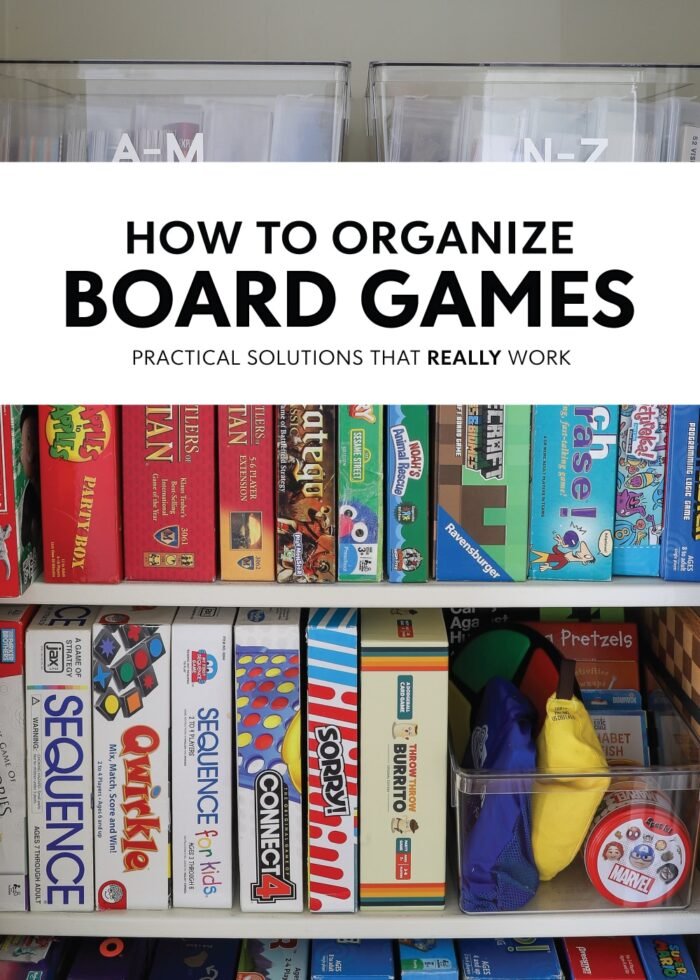
Properly storing board games involves keeping them in a cool, dry place, ideally flat to prevent warping and with pieces organized in resealable bags.
Dust accumulates; game boxes get crushed. It’s a sad sight for any game enthusiast. Figuring out the best method for how to store board games can be a game changer, ensuring your cherished collection stays in prime condition for years of fun.
We all invest time and money into our favorite games, so taking the simple steps to care for them is really important. It doesn’t take much to keep them safe and organized. This approach will maximize their lifespan.

How to Store Board Games: Keeping Your Collection Organized and Safe
Board games are a fantastic way to have fun with family and friends, but when not in use, they can quickly become a disorganized mess. Knowing the best ways to store your games is key to keeping them in good condition and ready for the next game night. This section will dive deep into various storage methods and tips to help you maintain your collection, so you spend less time searching and more time playing. Let’s explore the ins and outs of proper board game storage.
The Importance of Proper Board Game Storage
Before we dive into the how-to, let’s talk about why it matters. Proper storage isn’t just about neatness; it’s about protecting your investment. Board games can be costly, and they are often made of materials that are sensitive to certain conditions. Think about it: those cardboard boxes, game boards, cards, and tiny pieces are all vulnerable. Poor storage can lead to a host of problems, some of which you might not even realize until it’s too late. Here’s why taking the time to organize your games correctly is important:
- Preventing Damage: Moisture, extreme temperatures, and direct sunlight can damage board game components. Warped game boards, faded box art, and sticky cards are all results of improper storage. We want to avoid these so our games stay playable for a long time.
- Organization: When games are stored haphazardly, finding the one you want to play becomes a chore. Proper storage makes it easier to locate games quickly, allowing more time to enjoy them. Imagine how fun it is when you can just grab your favorite game, instead of rummaging around a bunch of messy boxes.
- Preserving Value: For collectors, proper storage is vital for maintaining the value of the games, particularly those rare or vintage pieces. If you take care of your games, they will stay in much better condition for longer time.
- Extending Playability: Well-stored games simply last longer. When you avoid damage, you can play the games more times, making the experience more enjoyable. We all love playing games, and good storage means that you can keep playing.
Choosing the Right Storage Location
One of the first steps in storing your games is to pick the right place. Not all areas in your home are equal when it comes to safeguarding your board game collection. Here are the best and worst places to consider:
Best Storage Locations:
- Shelves and Bookcases: Shelves are a go-to option because they keep games off the floor, protecting them from potential spills and foot traffic. They also provide easy visibility, which means you can see all of your games clearly. Bookcases work well too, especially if you have a large collection that you want to display. Make sure the shelves are strong enough to hold the weight, since board games can be quite heavy when stacked.
- Closets: Closets, particularly linen or coat closets, are great for board games. If you have extra space on a shelf or the floor of your closet, consider it for your games. They offer protection from light and often maintain a more stable temperature.
- Storage Cabinets: Cabinets offer great protection from dust and sunlight, and they can add a touch of style to the room. You could find cabinets that fit the decor of your home, and make the room look even more organized.
Worst Storage Locations:
- Attics: Attics are usually terrible places for storing board games. They are often prone to extreme temperatures, both hot and cold. Also, attics can have problems with humidity and moisture which can damage the game components.
- Basements: Similar to attics, basements often experience humidity and temperature fluctuations, and are prone to flooding. These conditions can wreak havoc on cardboard and paper components, causing them to warp, mold, or become unusable.
- Garages: Garages often suffer from temperature swings, exposure to moisture, and are also prone to pest infestations. These all pose significant threats to your precious board games.
- Direct Sunlight: Placing games where they are exposed to direct sunlight will fade the colors of the box art and game components. Also, exposure to sun might cause the material in the game board to become brittle. Find a shady spot for storing games, to keep them looking great for a long time.
Organizing Your Board Game Collection
Now that we’ve discussed storage locations, let’s talk about actually organizing your games. There are many ways to approach this, and the best method often depends on your specific collection and available space.
Categorizing Your Games
Consider grouping your games by genre (like strategy, family, party), by player count, or even by playtime. Having different categories makes it easier to find the right game for the mood and the number of players. Some common categories could be:
- Strategy Games: Games that require careful planning and tactical thinking, such as Settlers of Catan or Ticket to Ride.
- Family Games: Games that are easy to learn and enjoy for all ages, such as Candyland or Chutes and Ladders.
- Party Games: Games that are ideal for a larger group of players, such as Cards Against Humanity or Codenames.
- Cooperative Games: Games where players work together to achieve a common goal, such as Pandemic or Forbidden Island.
Using Vertical Space
Maximize your storage area by stacking games vertically, like books on a shelf. This saves space and makes it easy to scan your collection. You can arrange games by size to make the most of your shelf space. Try to keep the heaviest games at the bottom of the stack, to prevent toppling. If you have a deep shelf, you could also arrange your games in rows.
Utilizing Storage Solutions
There are many commercial options to further organize your games. These can make a huge difference in your storing process, helping you keep a neat and tidy collection:
- Game Organizers: Some companies offer specific inserts or organizers that fit inside game boxes. These are great for keeping pieces from rattling around and preventing damage.
- Storage Bins: Use bins or crates for games that don’t fit neatly on shelves, or for games with lots of loose pieces. Choose clear bins, so you can see the contents without having to open each one.
- File Cabinets: For card games, a small file cabinet can be a good option. You could place the cards inside the drawers to prevent them from getting bent.
- Drawer Inserts: For the tiny components like game tokens, miniatures and dice, drawer inserts with divided compartments can be a huge help. This can prevent the components from mixing up or being misplaced.
Protecting Game Components
Beyond choosing the right storage location and organizing your collection, you need to ensure that individual game components are well-protected. The small bits and pieces can easily get lost or damaged, if not handled properly. Here are the tips to keep everything organized and safe:
Card Protection
Cards are especially susceptible to wear and tear. Here’s how to keep them in tip-top shape:
- Card Sleeves: Using card sleeves is a great way to protect your cards from bending, spills, and smudges. Sleeves come in various sizes, so you need to ensure you get the right size for your deck. They are like shields for your cards, so keep your games looking good for longer time.
- Rubber Bands: Avoid using rubber bands to hold card decks together. Over time, rubber bands can dry out, stick to the cards, and can leave a nasty residue. If you need to keep your cards together, use resealable bags or dedicated card holders.
- Deck Boxes: You can store cards inside a deck box for extra protection. They are very helpful especially for card games that are frequently played. These boxes keep the cards organized and well protected.
Token and Piece Protection
Small pieces can easily get lost or damaged if not properly stored. Here are a few helpful ideas:
- Small Plastic Bags: Resealable bags are perfect for storing small tokens, dice, and meeples. Label the bags with the game name, so it is easier to locate the right components.
- Pill Organizers: Pill organizers offer little compartments that are great for sorting tokens, dice or small miniatures. They keep your pieces from mixing up.
- Craft Boxes: Craft boxes and tackle boxes have a lot of different compartments, making them really useful for keeping the pieces separate and organized.
Protecting Game Boards and Boxes
The bigger elements of board games, like the box and the board, also need your attention:
- Avoid Stacking Heavily: If you stack games heavily, you could risk damaging the cardboard box below by having the box cave in. Try not to put too much weight on top of the boxes, especially the older ones.
- Acid-Free Materials: If you are concerned about preserving the box art for long periods, you could use acid free storage materials. Acid-free paper can be placed inside boxes to minimize discoloration of the components.
- Storage of Game Boards: Many game boards are foldable. When you store the game boards, make sure to fold it along the right lines, instead of forcing it to fold. Also avoid bending or creasing it.
Maintenance and Regular Checkups
Storing your board games is not a one-time job. To keep your games in good shape for longer time, make sure you perform regular maintenance and checkups:
- Dusting: Every once in a while, dust your games using a soft cloth. Dust build up is common, and you should keep your games as clean as possible.
- Component Count: Before you store away a game, count and make sure all pieces are present. This prevents any problems when it’s time to play.
- Check for Damage: While taking the games out, inspect them for any damage. Try to repair minor damages as soon as possible, so they don’t become bigger issues later on.
- Rotate Games: Rotate your collection regularly by bringing the games from the bottom of the stack up. It prevents long term damage to any single game at the bottom. This rotation helps to distribute any weight that may have been in place.
Specific Considerations for Different Game Types
Some board games have unique characteristics that require special care. Here are a few pointers for some specific game types:
Miniature Games
Miniature games need special attention. Due to their fragile nature, here are some points to remember:
- Foam Inserts: Use foam inserts or trays to keep your miniatures safe from bumps and breakage. Some manufacturers provide custom foam inserts designed to fit specific miniatures.
- Individual Storage: Consider storing each miniature individually to protect them from rubbing against each other and chipping the paint job.
- Avoid Heat: Extreme heat can affect the paint on the miniatures and make them brittle. Keep them stored in a location with a stable temperature.
Card Games
Card games benefit from extra protection. Here’s how to keep them in excellent shape:
- Use Sleeves: Card sleeves are highly recommended, especially for decks that are frequently used. They keep the cards looking like new for longer time.
- Avoid Bending: Always handle the cards carefully, and avoid bending them, because bent cards are very unpleasant. Store cards in deck boxes or card sleeves to prevent bending.
- Separate Decks: Use dividers in your deck boxes to keep different card types or decks separate. This makes setup and gameplay much easier.
Large and Complex Games
Games with many pieces require careful planning to avoid becoming chaotic messes:
- Ziploc Bags: Use a lot of small Ziploc bags to keep pieces organized by type. Label each bag clearly.
- Game Trays: Find plastic trays or organizers that fit inside the box. This can make setting up a game faster and more organized.
- Photo References: When games have components that need to be placed on a board in a specific way, take a photo of how it is set up before storing, for easier setup the next time.
Creating a Board Game Storage System
A simple yet effective board game storage system can make a huge difference. Here’s a step-by-step approach to designing one:
- Assess Your Collection: Take a look at all the games you own, and see which ones you play often. Categorize them and see how much shelf space you will need.
- Choose the Storage Area: Decide on the location that best suits your storage requirements. Always prioritize spaces that are dry, cool, and away from sunlight.
- Organize your shelves and storage: Arrange your shelves and cabinets with the idea in mind of how you will be storing your games. Vertical stacking is a great way to use your space efficiently.
- Implement Component Protection: Get all the necessary components like card sleeves, plastic bags, and boxes to safeguard your game components.
- Set up a Maintenance Schedule: Make a routine schedule for dusting, counting, and doing minor repairs, so that games remain clean and damage free for a long time.
Storing board games properly involves a mix of careful planning, thoughtful organization, and regular maintenance. By following these tips, you can keep your collection in great condition for years of fun and family game nights. The key to great board game storage is to always keep your needs in mind, as well as the unique requirements of each of your games. With time and practice, you will learn the best ways to store your board games.
Board Game Organization | Organization Hack | How to organize board games
Final Thoughts
To sum up, store your board games flat to avoid damage and warping. Use shelves or dedicated storage containers to keep them organized. Consider adding acid-free bags to protect components. This careful approach details how to store board games properly.
Vertical storage works when you must, but lay large boxes flat first. This is the best way, preventing crushed corners or bent boards. Protect your game investments.

