
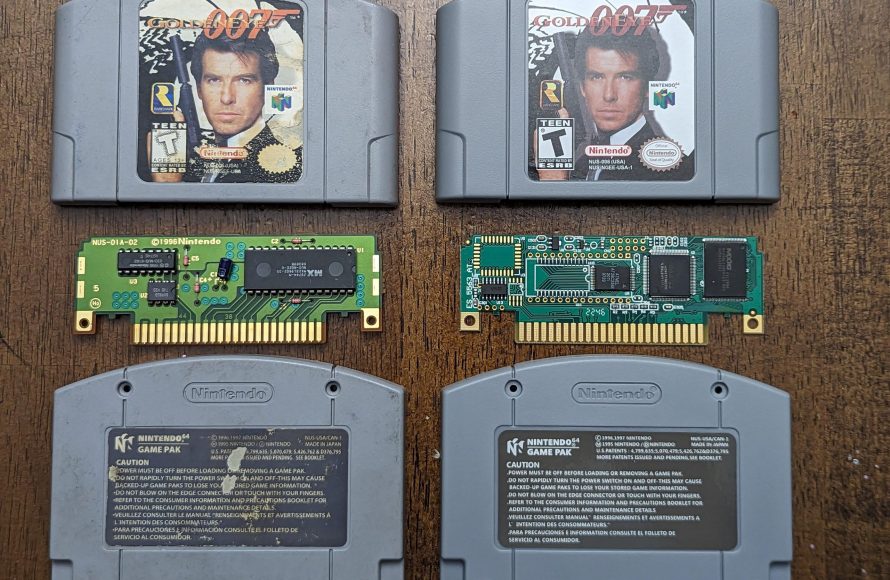
Examine the cartridge shell for mismatched colors, a poorly printed label, or missing Nintendo branding. Also, check the screws; genuine cartridges use a specific security bit. These are key elements when determining how to tell if a n64 game is fake.
The thrill of finding a classic N64 game can quickly turn sour if you suspect it’s a fake. Counterfeit cartridges are, unfortunately, a common issue within the retro gaming world. Knowing how to tell if a n64 game is fake is crucial for protecting your collection and your wallet.
Many convincing imitations circulate, making it harder to spot a fraud. This article will guide you through the telltale signs of a fake N64 game, helping you buy with confidence.

How to Tell if an N64 Game is Fake
So, you’re diving back into the world of the Nintendo 64, huh? That’s awesome! Those old games are packed with memories and fun. But, just like with anything popular, there are some bad guys out there making fake game cartridges. These aren’t the real deal, and they can sometimes cause problems. You don’t want to buy a fake and be disappointed! That’s why it’s important to know how to spot a phony. This article is your guide to figuring out if your N64 game is the real McCoy, or just a clever imposter.
The Cartridge Shell: A First Look
The very first thing you should check when inspecting your N64 game is the cartridge itself. The plastic case, or shell, gives us some important clues. Nintendo used a very specific type of plastic for their cartridges, and they made them with precision. Let’s look at the different parts of the shell.
The Color and Texture
Original N64 cartridges have a specific color. Most are a slightly dark grey, but some special releases had unique colors like gold or translucent grey. The important part is that the color should be consistent. If the game is supposed to be grey but it’s more of a light or dull grey, that’s a warning sign. Also, the plastic should feel smooth. Counterfeit cartridges often use cheaper plastic that might feel rough or flimsy. Examine the plastic closely. Does it feel too smooth and shiny or does it feel a bit more matte and solid? Sometimes, the fake cartridge plastic might look a bit more “waxy” than the original.
The Cartridge Label
The label on the game is another key area to investigate. Here’s how you should check it:
- Quality of Print: The printing on a real N64 label is crisp, clear and has a high quality feel. The text is easy to read. Fake labels often have blurry text, fuzzy images or colors that aren’t quite right. If the label looks like it was printed on a home printer, that’s a major red flag. Pay close attention to fonts; any inconsistencies can indicate that the label is not genuine.
- Paper Type: Original labels are typically made with a glossy paper type that has a slightly smooth surface feel. Check to see if the label feels overly paper-like or it looks like a sticker. Counterfeit labels can sometimes be made of a different type of paper, sometimes a more matte, less glossy paper.
- Text and Logos: Examine the official Nintendo logo and the game title. These should be printed clearly, with correct fonts and spacing. Any spelling mistakes or font that looks off should be noted. Sometimes, counterfeiters mess up the small details, especially around the legal text on the label. Check to see if all the details match the original game label.
- Alignment: The label on a real cartridge is always straight and perfectly aligned on the cartridge. A label that is crooked or slightly off should raise a red flag. These imperfections are a sign of poor manufacturing, which is a common characteristic of fake games.
The Screw Hole
Nintendo used a special kind of screw in their cartridges, often called a “gamebit” screw. This screw has a unique opening that needs a specific screwdriver to open. If you see a normal Phillips head screw on the back of the cartridge, it’s a definite sign that it’s fake or someone has replaced the screws. In some cases the screw may be present, but is still damaged, loose, or doesn’t fit properly.
The Cartridge Shape
Real Nintendo cartridges have a very specific shape. The angles are crisp and well-defined. The edges are smooth and the plastic has no extra bumps or rough spots. If the cartridge case feels cheap, looks warped, or doesn’t fit properly into your N64 console, that’s another sign to be cautious. Look at the corners and make sure they are uniform and not rounded off or chipped. The overall design and feel of the case must match with what Nintendo typically produced.
Inside the Cartridge: Taking a Deeper Look
While looking at the outside is great, sometimes you need to dig deeper to be certain. Opening an N64 cartridge requires a special tool, but if you’re comfortable with that, it can give you more information.
The Circuit Board (PCB)
The circuit board inside a real N64 game, known as the PCB, is where all the game’s information is stored. Real PCBs are made with precision and are of high quality. Here’s what to check on the PCB:
- The Color and Markings: Genuine N64 game boards typically have a dark green color or in some cases black. The board itself should be clean with no signs of tampering or damage. The components should be neatly placed and professionally soldered, not haphazardly stuck in place. The board will have printed codes and markings that are clear and precise. Fake game boards may have different colors (e.g., light green, blue, or even brown) and often are of lesser quality. The markings might be blurry or even missing.
- The ROM Chip: The ROM chip is the main part of the PCB that holds the game data. It will typically have a printed label with the game’s name and Nintendo’s logo and sometimes a specific number code. Check to see if these details match the game itself. If you see a chip that has no label or has a label that looks unprofessional it is a sign it is likely a counterfeit. Also, if the chip is a different size than an original cartridge it may be a warning sign.
- Soldering Quality: Take a look at how the components are attached to the board. Real Nintendo boards have clean, smooth solder points. If the soldering looks messy, with globs of solder or uneven joints, it’s a sign that the board is not made by Nintendo. Also check to make sure that all the components are properly aligned and are straight on the board. If components are crooked, or not soldered properly, this may indicate a counterfeit.
- Overall Build Quality: The overall build of a real PCB should be clean and professional looking. All the parts should be secure and aligned, and the board should look like it was made in a factory setting. Fake boards often look like they were assembled at home.
Checking the Internal Components
Besides the main circuit board, there are other internal parts that can give us clues. Look at the following aspects:
- The Internal Metal Shielding: Many original N64 games had metal shielding inside the cartridge shell to protect the circuit board. This shielding is usually a thin metal sheet that fits snugly inside. Check to see if the internal shielding is present and if it looks like it fits properly. If the metal is missing or loose it may indicate a fake.
- The Battery (for games that use it): Some N64 games have an internal battery that stores your save data. If the game you are checking requires a battery, make sure it looks like it is in good condition. Check to see if the battery is corroded or looks like it has been replaced. Counterfeit games may not have a battery and instead will have a replacement part or nothing at all, which will not save the game progress.
Game Performance and Compatibility
If you’ve looked at all the physical aspects and things look okay, the next step is to try to play the game. How well it works in the console is a very good way to tell if it is genuine.
Startup Issues
Genuine N64 games should start up quickly and smoothly. If the game takes a long time to load or if the Nintendo 64 system has trouble detecting it, then it may be fake. If your console displays a black screen, or shows an error message it is definitely a sign to be cautious. Counterfeit games often have compatibility issues. If you try the game in different N64 consoles and it still fails to work, it may be a fake.
Gameplay Problems
- Game Glitches and Bugs: If your game freezes, has graphic glitches, or has other unusual bugs that were not part of the original game, then it may be a sign that it is a fake copy. While some glitches could happen in the original game, excessive glitches and bugs in the gameplay may suggest it is a counterfeit game.
- Save Data Issues: Make sure the save data functions properly. If you can not save your game or your save files become corrupted, it is likely a problem with the game. Real N64 games should save without any issues. Counterfeit games may have problems saving your game data, or fail to retain it after the system is turned off.
- Sound and Music Problems: The sound and music quality should be as it was originally designed. If the audio is distorted, skips, or is missing parts, that is another red flag. Games with the fake boards can have problems with their audio, since it can be difficult for these boards to replicate original sounds.
Comparing to Known Originals
Having a known good original cartridge to compare with is one of the best methods. If you have a known, trusted game copy you can use it for comparison. If you do not have one, you can seek out some trusted, high quality video or picture reviews online.
Side-by-Side Comparison
- Compare Labels: Look at the colors, the text, the fonts, and all the elements of the two labels. If there are any variations, this may indicate a fake. The authentic copy is always your control, and therefore a good way to spot differences.
- Compare Shells: Comparing two cartridges side by side can help you spot subtle differences that you may have missed. Compare the plastic’s color and feel, as well as the shape and overall quality of the shell.
- Compare the Screw: Looking at the screw between the two cartridges is a fast way to determine if the screw has been tampered with. Genuine screws will be the same, while fake carts will often have a different screw.
Online Research and Resources
The internet is a wealth of information. There are many video tutorials and forums dedicated to identifying fake N64 games. Checking images and videos of authentic copies online can be a good way to learn what to look for. Look for resources that provide detailed images and videos of authentic N64 cartridges. This can really help you familiarize yourself with the visual cues.
Where to Buy N64 Games
Knowing where you buy your N64 games can also help you reduce the risk of purchasing a fake. Knowing which sites are better, and which sites are more prone to selling fakes, is important.
Reputable Stores
If you’re buying from physical stores, try to buy from known reliable sources. Local game stores and trusted retailers are more likely to sell genuine games. They usually have a better reputation to protect so they are more cautious about the products that they offer to their customers.
Online Marketplaces
Online marketplaces can be risky since they can allow anybody to sell products. If you’re buying online, be careful of the seller that you buy from. Check the seller’s reputation and feedback scores. If you buy from online marketplaces like eBay or Amazon, carefully read reviews and comments. If the reviews talk about possible fakes then you should be very cautious. A trusted seller will often have many more positive reviews, rather than negative ones. If a deal seems too good to be true, then it may be just that. A lot of the time, very low prices can signal a counterfeit.
Personal Sales and Trading
If you’re buying a game from a person or trading one with someone, make sure you inspect the game very carefully before finalizing any agreement. Ask if you can view the game in person, or for them to send extra high-quality photos of the cartridge. Meeting in person to inspect the game is the best practice for ensuring a game is genuine. If a seller doesn’t agree to any of this, then you should be cautious of that transaction.
Common Red Flags to Remember
To recap, here are some of the most important red flags to keep in mind when you’re inspecting a N64 game:
- Unusual Plastic Colors or Textures: If the plastic is too shiny, too dull, or feels low quality.
- Label Print Quality: If the label is blurry, faded or has incorrect text.
- Misaligned Labels: Labels that are crooked or not properly placed.
- Wrong Screw Type: If the screw is a Phillips head or another type of screw.
- Poor PCB Quality: messy soldering, incorrect board colors or components, or if the board looks like it was made at home.
- Gameplay Issues: Freezing, glitches, save problems, or audio distortion.
- Suspiciously Low Price: If the price seems way too good to be true.
By keeping an eye out for these signs, you can greatly reduce the chance of buying a fake game.
Identifying a fake N64 game can seem a little tough at first, but with a few simple tricks, you’ll become a pro at spotting the real ones. Checking everything from the plastic of the cartridge to how the game plays, will give you a better chance at getting the genuine N64 experience you are looking for. Remember to be patient and careful when looking for new games, so you can keep playing the awesome retro games that you love!
How to tell if your N64 game is fake
Final Thoughts
Spotting a fake N64 game requires careful inspection. Check the cartridge label quality, the plastic case’s fit, and the Nintendo logo. These key areas often show poor craftsmanship on counterfeits.
Pay close attention to the game’s printed text and any serial numbers. Authentic games feature crisp, clear printing, and serial number. Fakes often have blurry or incorrect print.
You can also carefully examine the game board’s pins. A genuine board typically has clean, gold-plated pins, whilst some fake ones will appear dull. Knowing ‘how to tell if a n64 game is fake’ saves you from buying a dud and protect your collection.

