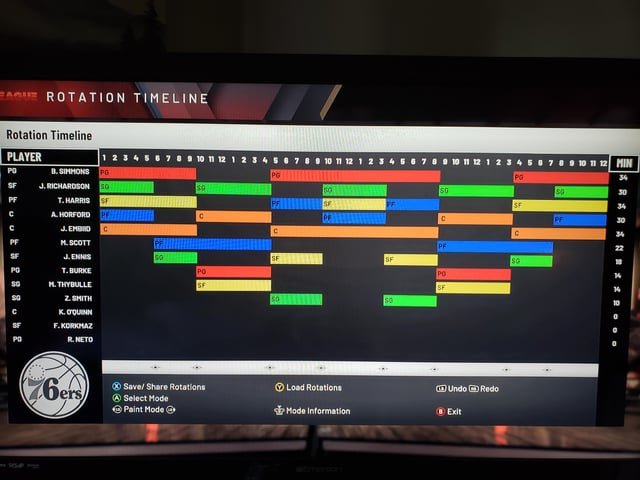
Advanced rotation in NBA 2K26 MyNBA lets you precisely control player minutes and substitutions based on fatigue, performance, and specific game situations through detailed menu options within the coaching settings.
Ever feel like you’re not getting the most out of your squad in MyNBA? Are your star players burning out too quickly? Or are your bench players not getting enough opportunities? You’re probably overlooking something.
Let’s get down to it. This article is all about how to use the advanced rotation feature in NBA 2K26 MyNBA to maximize your team’s potential. It’s time to take command of your team’s strategy and dominate the court like never before.

`
How to Use the Advanced Rotation Feature in NBA 2K26 MyNBA
`
MyNBA in NBA 2K26 offers incredible control. One of the deepest features is the advanced rotation system.
Mastering this system can significantly impact your team’s performance. Let’s explore how to use it.
Understanding the Basics of Rotations
Before diving into the advanced features, it’s crucial to understand basic rotations. This groundwork will help you effectively use the advanced options.
Think of rotations as the rhythm of your team. They dictate playing time and player combinations.
Why are Rotations Important?
Proper rotations manage player fatigue. They also maximize player strengths and minimize weaknesses.
Consider player morale as well. Balanced playing time can keep players happy and engaged.
Default Rotation Settings
NBA 2K26 provides default rotation settings. These are a good starting point, but rarely optimal.
You’ll find them in the coaching settings menu. From there, you can adjust minutes per player.
Accessing the Advanced Rotation Feature
Now, let’s access the advanced features. This is where you gain fine-grained control over your lineup.
Navigate to the “Coaching” section within MyNBA. Look for an option labeled “Advanced Rotations” or similar.
The exact wording may vary. But it will be within the coaching settings.
Key Elements of Advanced Rotations
The advanced rotation feature consists of several key elements. We will look at each of these elements individually.
Understanding these will enable you to craft optimal rotations.
Minute Allocation
Minute Distribution: Allocate minutes based on player skill, fatigue, and matchups. Every minute counts!
Player Roles: Assign minutes based on player roles within your system. For example, a star player might receive 36+ minutes.
Bench Depth: Ensure your bench players get enough playing time. This keeps them sharp and ready when needed.
Fatigue Management
Fatigue Impact: Monitor the impact of fatigue on player performance. Tired players make mistakes.
Rest Strategy: Implement a rest strategy for your star players. This helps them stay fresh throughout the season.
Game-to-Game Adjustments: Adjust rotations based on the schedule. Back-to-back games require more rest.
Matchup Awareness
Opponent Scouting: Scout your opponent’s key players. Identify favorable matchups for your players.
Defensive Assignments: Adjust rotations to improve defensive matchups. Put your best defenders on their best scorers.
Offensive Exploitation: Exploit mismatches on offense. Put players in positions to succeed against weaker defenders.
Playoff Rotations
Tightened Rotations: Shorten your rotations in the playoffs. Rely more on your best players.
Situational Lineups: Prepare situational lineups for specific game situations. For example, a lineup for closing out games.
Increased Intensity: Expect higher intensity and fatigue in the playoffs. Adjust rotations accordingly.
Setting Up Your Advanced Rotations: A Step-by-Step Guide
Let’s walk through the process of setting up your advanced rotations. This is where you put theory into practice.
Follow these steps to create effective rotations.
Step 1: Analyze Your Roster
Identify Strengths: Identify the strengths and weaknesses of each player on your roster. Know their roles.
Skill Sets: Understand each player’s skill set and how they fit into your system. Do they shoot well?
Player Tendencies: Consider player tendencies. Do they prefer to drive or shoot?
Step 2: Define Player Roles
Role Assignment: Assign clear roles to each player on your team. This could include scorer, defender, or playmaker.
Specific Instructions: Give specific instructions to each player based on their role. For example, a defensive stopper should focus on guarding the opponent’s best player.
Bench Roles: Don’t forget to define roles for your bench players. They need to know their responsibilities.
Step 3: Configure Minute Allocations
Initial Settings: Set initial minute allocations based on player roles and skill. Don’t be afraid to experiment.
Adjustments: Be prepared to adjust minute allocations as the season progresses. Player performance and injuries will impact your decisions.
Monitor Performance: Keep a close eye on player performance and fatigue levels. Make adjustments as needed.
Step 4: Utilize Fatigue Management Tools
Fatigue Monitoring: Use the game’s fatigue monitoring tools to track player energy levels. This will prevent injuries.
Rest Days: Schedule rest days for your star players. This helps them stay fresh throughout the season.
Rotation Tweaks: Make small tweaks to your rotations to manage fatigue. Don’t overwork your players.
Step 5: Incorporate Matchup Strategies
Opponent Analysis: Analyze your opponent’s strengths and weaknesses. This will enable you to create favorable matchups.
Defensive Schemes: Implement defensive schemes that exploit your opponent’s weaknesses. For example, double-team a weak shooter.
Offensive Exploitation: Look for opportunities to exploit mismatches on offense. Put your players in positions to succeed.
Step 6: Test and Refine
Simulation: Simulate games with your new rotations. Analyze the results.
Data Analysis: Review the data from your simulations. Identify areas for improvement.
Continuous Improvement: Continuously refine your rotations based on data and game results. Don’t be afraid to experiment.
Advanced Strategies for MyNBA Rotations
Beyond the basics, several advanced strategies can elevate your MyNBA rotations. Consider these techniques to maximize your team’s potential.
These strategies require a deeper understanding of the game.
Utilizing Positional Versatility
Versatile Players: Take advantage of players who can play multiple positions. This gives you more flexibility with your rotations.
Lineup Combinations: Experiment with different lineup combinations that utilize positional versatility. This can create matchup problems for your opponents.
Adaptability: Be adaptable. Adjust your lineups based on the game situation.
Exploiting Hot and Cold Streaks
Riding the Hot Hand: Give more minutes to players who are on a hot streak. This can boost your team’s offense.
Adjusting for Cold Streaks: Reduce the minutes of players who are struggling. This prevents them from hurting your team.
Short-Term Adjustments: These are short-term adjustments. Re-evaluate the situation after a few games.
Using Data Analytics
Advanced Stats: Utilize advanced stats to evaluate player performance. This can reveal hidden strengths and weaknesses.
Data-Driven Decisions: Make data-driven decisions about your rotations. Don’t rely solely on gut feelings.
Performance Tracking: Track player performance over time. This can help you identify trends and patterns.
Managing Player Morale Through Rotations
Fair Playing Time: Distribute playing time fairly among your players. This keeps morale high.
Communication: Communicate with your players about their roles and playing time. This prevents misunderstandings.
Positive Reinforcement: Provide positive reinforcement to your players. This encourages them to work hard and improve.
Common Mistakes to Avoid
Even with a good understanding of advanced rotations, mistakes are possible. Here are some common pitfalls to avoid.
Recognizing these mistakes can save you from costly errors.
Over-Reliance on Star Players
Burning Out Stars: Avoid over-relying on your star players. This can lead to fatigue and injuries.
Developing Depth: Focus on developing depth on your bench. This gives you more options when your starters are struggling.
Strategic Rest: Strategically rest your star players throughout the season. This keeps them fresh for the playoffs.
Ignoring Fatigue Levels
Pushing Too Hard: Don’t push your players too hard. This can lead to injuries.
Monitoring Energy: Monitor player energy levels closely. Make adjustments as needed.
Proactive Rest: Be proactive about resting your players. Don’t wait until they are completely exhausted.
Neglecting Matchups
Blind Rotations: Don’t use the same rotations every game without considering matchups. This can put your team at a disadvantage.
Adapting to Opponents: Adapt your rotations to exploit your opponent’s weaknesses. This gives you a competitive edge.
Matchup Awareness: Be aware of the matchups on the court at all times. Make adjustments as needed.
Ignoring Player Roles
Misusing Players: Don’t misuse your players by putting them in roles that don’t suit their skills. This can hurt their performance.
Optimizing Roles: Optimize player roles to maximize their potential. This helps your team succeed.
Clear Expectations: Set clear expectations for each player on your team. This ensures they understand their responsibilities.
Examples of Successful Rotation Strategies
Let’s examine some successful rotation strategies. These examples will demonstrate how to apply the principles we’ve discussed.
These are examples of rotations that have worked well in the past.
The San Antonio Spurs Model
Balanced Approach: The Spurs are known for their balanced approach to rotations. They distribute playing time evenly among their players.
Player Development: This allows them to develop young players and keep their veterans fresh. This has contributed to their long-term success.
Team First: It’s always been a “team first” mentality within the team, and the team’s rotation strategies reflects this attitude.
The Golden State Warriors Approach
Star Power: The Warriors rely on their star players, but they also have a strong bench. They combine star power with depth.
High-Paced Offense: This allows them to maintain a high-paced offense throughout the game. The team has had strong rotational consistency.
Strategic Substitution: The substitution patterns of the Warriors keeps the team fresh for key moments.
The Boston Celtics Strategy
Defensive Emphasis: The Celtics emphasize defense. Their rotations reflect this focus.
Defensive Lineups: They often use defensive lineups to shut down their opponents.
Adaptability: The Celtics’ rotation strategy adapts to the game, and that has helped them close out games.
NBA 2K26 MyNBA: Future Enhancements to Rotations
What could the future hold for MyNBA’s advanced rotation features? Let’s explore some potential enhancements.
These improvements could make the system even more powerful.
AI-Powered Rotation Suggestions
AI Assistance: AI could analyze your roster and provide rotation suggestions. This would help you optimize your lineups.
Dynamic Adjustments: The AI could dynamically adjust rotations based on game situations. This would give you a competitive edge.
Learning Algorithms: The AI could learn from your decisions and improve its suggestions over time. This would make it an invaluable tool.
Enhanced Fatigue Modeling
Realistic Fatigue: Improve the fatigue modeling to be more realistic. This would make fatigue management even more important.
Individualized Fatigue: Allow for individualized fatigue settings for each player. This would give you more control over player energy levels.
Long-Term Fatigue: Incorporate long-term fatigue effects. This would make it more challenging to manage your team over the course of a season.
More Detailed Matchup Analysis
Advanced Scouting: Provide more detailed scouting reports on opponents. This would help you create more favorable matchups.
Matchup Ratings: Display matchup ratings for each player combination. This would make it easier to identify mismatches.
Real-Time Analysis: Offer real-time matchup analysis during games. This would allow you to make adjustments on the fly.
Integration with Coaching Staff
Staff Input: Allow your coaching staff to provide input on rotations. This would give you valuable insights.
Assistant Coaches: Assign specific responsibilities to assistant coaches, such as fatigue management. This would help you delegate tasks.
Staff Development: Develop your coaching staff over time. This would improve their ability to assist you with rotations.
3 tips to help you score in 2k25
Final Thoughts
To sum it up, effectively managing minutes is crucial. You must dive into the coaching settings. Experimenting with different minute allocations will improve team performance.
The Advanced Rotations page offers granular control. Customize playing time based on player roles and matchups.
Ultimately, to use the advanced rotation feature in NBA 2K26 MyNBA, adjust player minutes and rotation patterns. Analyze the impact and adapt your strategy for success.