
The key to win a domino game is to be the first player to play all of your dominoes, strategically blocking your opponents and anticipating their moves.
Ever wondered how to win a domino game consistently? It’s more than just luck; skill and strategy play a vital role. Many find it frustrating when they can’t seem to make the right moves.
This guide will explore the core tactics required to outmaneuver your rivals. You’ll learn how to plan ahead, effectively manage your tiles, and anticipate your opponents’ plays. Ultimately, understanding these basics will help you know how to win a domino game more often.

How to Win a Domino Game
So, you want to be a domino champion? It’s not just about luck; it’s about strategy, a little bit of math, and a whole lot of paying attention. Winning at dominoes involves thinking ahead, keeping track of the tiles, and making smart plays. Whether you’re playing with friends or aiming to dominate family game night, understanding some key concepts will greatly improve your chances of victory. Let’s explore how to become a domino whiz!
Understanding the Basics
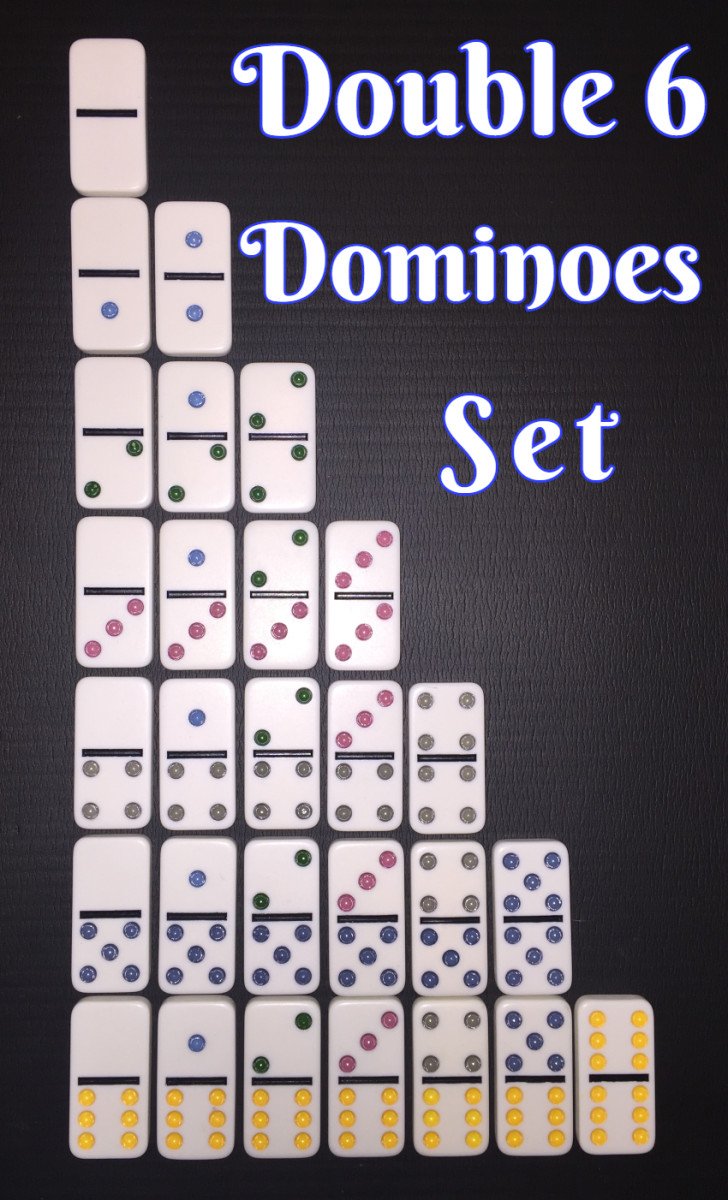
Before we jump into fancy strategies, let’s make sure we all understand the basics of how dominoes work. Dominoes are rectangular tiles with a line down the middle. Each side of the tile has a number of dots, from zero (blank) up to six in most common sets. A standard set usually has 28 tiles, featuring every possible combination of these numbers. The game’s objective is typically to be the first to empty your hand of tiles, or in some variations, to accumulate the fewest points at the end of a set number of rounds.
Setting Up the Game
First, all the dominoes are placed face down on the table, these are commonly called the ‘boneyard’. Then, everyone draws a certain number of tiles, usually seven, but this can vary depending on the specific game you’re playing. The remaining tiles stay in the boneyard. This boneyard is where players can draw tiles later in the game if they can’t make a play. A ‘hand’ is the set of tiles each player has during the game, which are kept secret from others.
How to Play a Domino
The game starts with a player placing a tile on the table. This first tile sets the initial number. Then the next player, and subsequent players, must play tiles that match one of the open ends of the domino chain. For example, if the first domino played is a 3-5, the next player must play a domino with either a 3 or a 5 on one of its ends, connecting this domino to one of the open ends. If a player doesn’t have a matching tile, they must draw one from the boneyard, if there are any remaining. This drawing from the boneyard continues until they get a tile which they can place on the chain or the boneyard runs out of tiles. The game continues until one player has played all of their tiles or, in some versions, when no one can make any further plays.
Strategic Gameplay
Once you’ve got the basics down, you can begin using strategies that give you an edge in the game. It is essential to remember, winning is not just about luck, it’s about applying the right tactics.
Counting and Tracking Tiles
One of the most helpful strategies is to pay close attention to which tiles have been played and which are likely still in other player’s hands. This is especially helpful if you’re playing a game with multiple rounds, allowing you to adjust your strategy to each game. Try to remember the tiles that you’ve seen played. Keep in mind that there’s only one of each double tile (like 6-6, 5-5, etc.). As more and more tiles get played, you can start making a more educated guess about what the others may have, or which tiles are still left in the boneyard. This method of counting and tracking will certainly help you in the long run and give you an upper hand in your matches.
Planning Ahead
Don’t just focus on your current play; think a move or two ahead. Consider what tiles you want to use, and in what order to keep your options open for longer. Think about what number you may want to leave at the end of the chain and make your moves accordingly. For example, if you see the other player seems to be collecting tiles with 5’s, you may want to avoid placing a 5 on the open end so that they won’t get another chance to place another one of their tiles. If you focus solely on matching the open ends without considering the future, you can easily fall behind in the game. Planning even one step ahead can change the game significantly.
Blocking and Defensive Play
Sometimes, the best move isn’t about playing a tile that benefits you directly, it may involve blocking other players, stopping them from making easy plays. Look for opportunities to place a tile that stops another player from using a particular number. Pay close attention to your opponent’s hands, or their play style if you’ve been playing a few rounds, and look for opportunities to prevent them from using their tiles. This is a more advanced tactic that takes some observation and practice to become good at. If you notice that another player is holding several tiles with a 5, and that is the only number they can use, and you are also holding a domino with a 5, it might be wise to play this domino in order to block the other player from continuing.
Going Out First
The ultimate objective of the game is to get rid of all of your tiles before the other player. When you are close to emptying your hand, pay extra attention to the remaining tiles in your hand and the open end of the game. In these circumstances, you need to think about what numbers you want to leave open for your last play. In particular, think about what number is going to allow you to get rid of your last tile the easiest. In many domino variations, if you go out first, your opponent is required to pay for the value of the tiles remaining in their hand. If your hand is empty, they are not only losing the round, but they are also giving you points.
Mastering Different Domino Variations
There are many different variations of the game, and mastering how each one works will help you to become a domino expert. In different variations of dominoes, the rules, objectives, and strategies may change a little or a lot. Here are some of the more common variations that you may encounter, and what you need to be aware of for them.
Draw Dominoes
In Draw Dominoes, players draw from the boneyard when they can’t make a play. The game continues until someone goes out or the boneyard is empty and no one can play. In many cases, the winner is the player with the fewest points, and that can be the player that has no tiles left, or, the player with the least amount of points remaining in their hands when there are no more moves to be made. Here are some important things to remember in this variation:
- Always monitor how many tiles remain in the boneyard. If the boneyard is about to run out, and you have the majority of the tiles which require a particular number to place them, you may want to change your strategy.
- If the other player is drawing a lot of tiles, they may have a lot of tiles of the same number in their hand. Consider trying to block them as they must place a tile if they are able to do so.
Block Dominoes
Block Dominoes is similar to Draw Dominoes, but players don’t draw from the boneyard when they can’t play a tile. When a player cannot place a domino they skip their turn and the play goes to the next player. The winner is the player who empties their hand first, and when no one else can play and the game is blocked, the winner is the player with the fewest points in their hand. Here are some important things to remember in this variation:
- Keep track of the doubles, they are very important to go out first.
- Pay close attention to the tiles that are played and what tiles you hold. Make sure you are not blocking yourself from going out.
Mexican Train Dominoes
Mexican Train Dominoes is a fun variation where players can build their own train or play on the communal ‘Mexican Train’. It requires some different strategies that are specific to the game. The objective is still to go out first, but the strategy will vary based on how the game is set up. Here are some important things to remember in this variation:
- Try to focus on playing your tiles on your train. If you open on the Mexican Train when it is not required, you are also opening up a play for all players.
- Keep an eye out for the tiles that are played. Pay attention to what tiles other players are placing on the Mexican Train. This will give you a good indication of what they may be holding in their hands.
Muggins/All Fives
In Muggins, or All Fives, players earn points not only by emptying their hand but also by ensuring that the open ends of the domino chain add up to a multiple of five. This variation is less about going out first, and more about getting points by calculating the values of open ends. This adds an extra element of math to the game, so it’s very beneficial to be quick at mental math. Here are some important things to remember in this variation:
- If you know how many points are at the open ends of the game, you can select tiles which will help to achieve more points.
- Try to place tiles that will increase the score to a multiple of 5, or alternatively block other players from achieving scores.
Practice and Patience
Like any game, getting good at dominoes takes practice. The more you play, the better you’ll become at spotting opportunities, remembering which tiles have been played, and developing strategies that work for you. Play with people who are more experienced, and take notice of the strategies they use. Don’t get frustrated if you don’t win every game. Try and see the game as a fun way to pass the time with friends and family, and try to take note of what your opponents are doing, and what works and what doesn’t work. Every game is a learning opportunity to improve your skills.
So, that’s it! Winning at dominoes isn’t about luck; it’s about good decision-making, counting, and a lot of paying attention. Remember, practice makes perfect! Keep playing, and you’ll soon be the domino champion you always wanted to be. Good luck, and have fun!
How to Play Dominoes
Final Thoughts
To win a domino game, plan your moves. Try to get rid of your high-numbered tiles first. Blocking your opponents is key, forcing them to draw more tiles.
A strong starting hand gives a major advantage. Knowing which tiles are already played helps anticipate moves. Keep track of the double tiles.
Ultimately, understanding the rules and a bit of strategy will help. Pay attention to your opponents. Learning how to win a domino game often means adapting to each match.

