
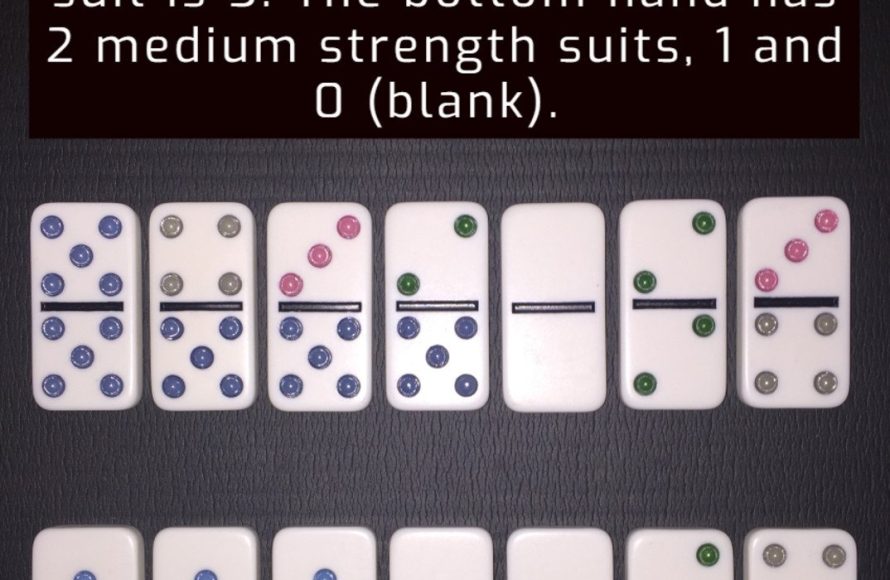
To win a game of dominoes, strategically place your tiles to be the first to use all of your dominoes, or have the lowest point total when the game is blocked.
The clatter of tiles, the satisfying click as they connect – dominoes offers a simple pleasure, yet beneath that lies a game of strategy. Many wonder how to win a game of dominoes, and it’s not just about luck. It involves careful planning and observation.
You’ll need a keen eye to spot opportunities and sometimes, defend against your opponent. Knowing when to play aggressively and when to hold back is key. Practice and patience will help you develop a winning approach.

How to Win a Game of Dominoes
So, you want to be a dominoes champion? It’s not just about luck; it’s about having a good plan and knowing a few tricks. This game, loved by people all around the world, is surprisingly easy to learn but takes practice to play well. Let’s dive into how you can improve your game and start winning!
Understanding the Basics: Dominoes 101
Before you can strategize, you need to know the game inside and out. Dominoes come in a set, and each domino has two sides with dots (or “pips”) on them. A standard set usually goes from double-zero (both sides blank) to double-six (both sides with six pips). But there are different types of sets as well, including those with double-nines, double-twelves, and even higher! The gameplay always involves matching ends. If you have a domino with a 3 on one side, you can play it on any open end of a chain that also has a 3. That’s the simple, yet engaging foundation of dominoes.
Setting Up the Game
The game starts by placing all the dominoes face-down on the table. They’re often mixed up by shuffling them with your hands. Then, each player picks a certain number of dominoes (usually 7 in a game of two or four players). The rest of the dominoes form what’s called the “boneyard,” which you’ll use to draw from when you don’t have a playable domino in your hand. It’s important to keep your dominoes hidden from other players. It wouldn’t be a fun game if everyone knew what you had!
The First Move and Gameplay
The player with the highest double usually goes first. If no one has a double, the player with the highest domino goes first, and if there is a tie, a lottery system can be followed. They start by placing one of their dominoes face-up in the middle of the playing area. After this, the next person will try to match one side of their domino to one of the ends that has been already played. Each player takes a turn, adding to the chain of dominoes. If you can’t make a move, you usually need to take a domino from the boneyard, if it is available. The gameplay continues until a player plays their final domino or the game blocks. It is always important to keep the track of the opponents dominoes that they already played, it also helps in choosing which domino to play next and make an effective game-plan.
Strategic Thinking: Beyond the Basics
Okay, now that you know how to play, let’s talk about playing smart. Winning dominoes involves more than just placing tiles down randomly. It’s about thinking ahead and figuring out the best way to play your hand. Here’s a look at some strategies that can improve your game:
Counting and Remembering
One key tactic is counting the number of pips of each value and also remembering which dominoes have been played and which are still in the boneyard. You can also keep an eye on what dominoes other players have placed. When a specific number on the domino appears more than once, it is more likely that the other players might be holding them. It gives you an insight into the other player’s hands. If you notice that a lot of 3s and 5s have been played, it’s smart to avoid playing any of those, if you can. This helps you avoid getting stuck with a useless tile in your hand. Another important thing is to keep in mind is what number is left in the chain or board. For example, if you notice a “3” is on both sides of the domino chain, it will help you decide which number you want to play next.
Blocking Strategies
Sometimes the best move is to block your opponent. It means placing dominoes in a way that it leaves them with no playable options. This can be a very important game strategy. If a player is left with only 1 or two options, and they also drew from the boneyard previously, it indicates that they do not hold other options to play in their hand. This gives you a chance to play in your favor and be closer to victory. You don’t want them to get all their dominoes out before you. However, keep a note that blocking your opponent should not block your own game, which is very important. Try to anticipate where your opponents would play and strategically block those sides of the board.
Holding Back Dominos
Sometimes it’s better to keep a domino in your hand. If you have a very important domino like a double, don’t play it immediately if you don’t need to. Instead, use this as a strategy to hold it back, as your game might have the opportunity to play this later in the game. The ideal situation would be to have this in your hand when other players can’t make a move. It also depends on what the other players have played before. Based on that information, you can analyze and strategize to hold it back and use it accordingly. You can also hold dominoes that you suspect won’t be available for your next move or can get you a winning chance.
Leading with Doubles
Generally, it’s advisable to lead with a double if you have it and it matches with an existing domino. This can potentially make an opening for a player to use that number and finish their turn quickly. Playing doubles can often change the direction of the game. However, you should also be aware that this also provides an opportunity for the next player to use that number. So use it strategically.
Game Variations and Specific Rules
While most games of dominoes follow similar principles, it’s important to know that there can be some differences. Some popular variations can change the entire dynamics of gameplay. Let’s look at some of the common rules of play variations that could happen:
Draw Dominoes
In this variation, players draw from the boneyard when they cannot make a move. If they pick a domino that still does not allow them to play, then it’s the next player’s turn. The game ends when a player plays all their dominoes, or if there are no more dominoes left in the boneyard and none of the players can make a move. In this case, the player with the lowest value in their hand wins.
Block Dominoes
This is the version where players are not allowed to draw from the boneyard. So, if you can’t play, you simply skip your turn. The game also ends when a player plays all their dominoes or when nobody can play. Like Draw dominoes, in this variation the player with the lowest value in their hand wins if no one has finished all their dominoes.
Scoring
Scoring in dominoes varies depending on the variation you are playing. Generally, in games such as ‘Muggins’ or ‘All Fives,’ you score points based on the total of the pips on the open ends of the domino chain when you make a move. In other versions of Dominoes games, you only get a point if you empty your hand first. It’s always a great idea to agree on the score and the rules that will be followed before starting a game.
Different Domino Sets
While the double-six set is the most common, you might encounter sets with double-nines, double-twelves, or even double-eighteens. These sets generally mean longer games and more strategic options. Different sized domino sets affect the game’s complexity and require some adjustment to game strategies. For instance, with a larger set, the chances of specific numbers being blocked are less, leading to a more open game compared to a game with smaller sets.
Popular Variations around the World
Dominoes is a popular game all over the world and has regional variations in the rules, including:
- Mexican Train: This variation uses a double-12 set and involves multiple “trains” branching out from a central starting point.
- Chicken Foot: Another variation with complex gameplays. This domino game involves building a ‘chicken foot’ pattern around the central starting domino and is usually played with a double-nine set.
- Matador: A fun variation where players add to the chain using specific numbers that have been called ‘matador’ numbers. It also uses different scoring systems.
Practice Makes Perfect
Like any game, the key to improving your dominoes skills is practice. The more you play, the better you’ll become at recognizing patterns and planning your moves. Don’t be discouraged if you lose a few games at the beginning. Just keep trying, and you will become better. It is always important to observe how the other players are playing and make adjustments to your game accordingly.
Playing with Different Opponents
Playing against different people can expose you to a variety of play styles. This helps you to adapt your game and learn new techniques. Every player will have their unique approach, so observing their move and adapting it in your style will help you learn and improve. Be open to learning different methods of play. You will get better at anticipating other player’s moves and develop winning strategies for your own game.
Analyzing Your Games
Take some time after each game to think about how you played. Did you make any mistakes? What could you have done differently? Analyzing your games helps you to learn and improve for the next game. It also helps you to understand the patterns that work well and the ones that don’t. Being self-aware about your gameplay will bring the best results and make you a better domino player.
Having Fun!
Last but not least, remember that dominoes is a game. While it’s fun to win, the main goal should be to enjoy yourself. Relax, have some fun with it, and enjoy playing with your friends and family.
By understanding the rules, applying smart strategies, and practicing, you’ll improve your game and have lots of fun along the way. Good luck and enjoy the game!
Dominoes Tips and Tricks : How to Play Dominoes Like a Pro : Dominoes Game Strategies
Final Thoughts
Strategically place your tiles and pay attention to your opponent’s moves. Blocking opponents or getting rid of your high-value tiles earlier helps. Planning multiple moves ahead is essential for success.
A good draw can make all the difference. Keeping track of the tiles already played is also very helpful. Ultimately, how to win a game of dominoes often comes down to observation.
You must be adaptable to changing situations. Try to anticipate potential plays to maximize your scoring potential.

