
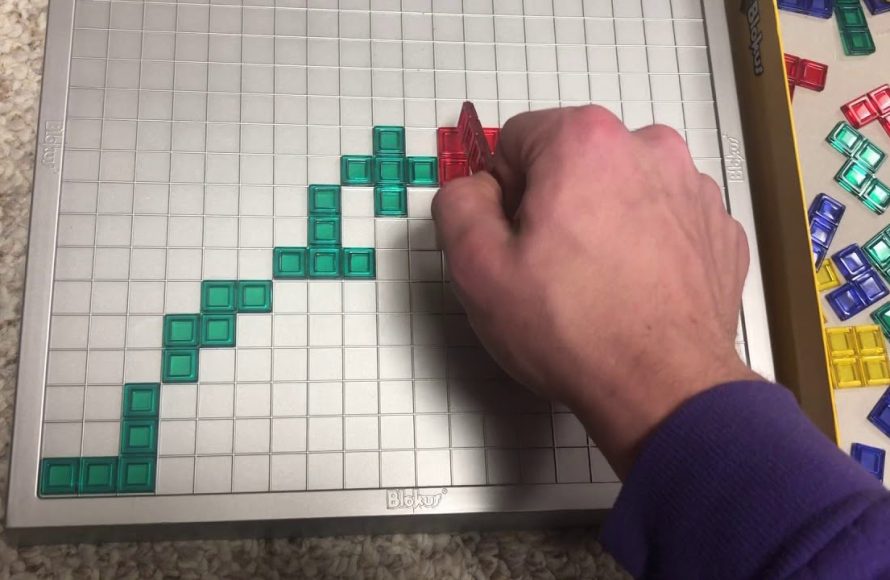
To win Blokus, focus on cornering opponents, maximizing your own piece placement, and controlling board space, particularly the edges and corners.
Blokus, a game of strategy and spatial reasoning, often leaves players pondering how to achieve victory. Many find themselves facing a shrinking board and dwindling piece options, feeling trapped by their opponents’ clever moves. This guide provides some strategic advice on how to win Blokus game.
Winning at Blokus requires a keen understanding of space management and offensive strategy. Planning ahead is vital, placing pieces not just for immediate gains but also future options. Try to box in the opponent, while keeping options open for yourself.

How to Win Blokus Game: A Comprehensive Guide
Okay, so you’re ready to become a Blokus champion? That’s fantastic! Blokus might look simple at first, with its colorful Tetris-like pieces, but it’s actually a game of strategy, planning, and a little bit of luck. It’s not just about placing pieces; it’s about thinking ahead, blocking your opponents, and making sure you have room for all your shapes. Let’s explore the best ways to win this fun game. We’ll go through different strategies, tips, and ways you can become a Blokus master!
Understanding the Blokus Board and Pieces
Before we jump into winning strategies, it’s really important to understand the game itself. The Blokus board is a square grid with 20 rows and 20 columns, that’s 400 squares in total! It is also made up of four quadrants. It’s where you’ll place your pieces, and where all the action happens. Each player starts with 21 unique pieces. These pieces are made up of different numbers of squares, from single squares to shapes of 5 squares. Each piece has a different shape and size, making them unique and requiring different strategies to place them.
The Pieces
Each player’s set is comprised of 21 pieces that are different combinations of one to five squares. The fact that no two shapes are exactly alike makes the game interesting. Here’s a breakdown of what you’ll find:
- Monominos: One single square.
- Dominos: Two squares in a straight line.
- Triominos: Three squares. These can be straight or “L” shaped.
- Tetrominos: Four squares, including “I”, “L”, “T”, “Square” and “Z” shapes.
- Pentominos: Five squares. These are the most varied in shape.
Knowing these shapes well is the first key to doing well at Blokus. Spend a little time familiarizing yourself with them. Look at which shapes are small, big, straight and can be used at edges or corners. This knowledge will be invaluable as you play the game. The different size and shapes of these pieces is one of the game’s best features.
Starting Strong: The First Few Moves
Like many games, how you start Blokus can really affect how well you do later. Getting a good start means you need to think about how your early moves will set you up for the rest of the game.
Claiming Territory
The beginning of the game is your time to grab as much space as possible. You want to control your corner and then expand out from there. It’s like putting down a foundation for a building. The first few pieces you place should be large, this will help you lay the groundwork for your expansion into the board, it can be a little like building a fortress and make it hard for your opponents to take over your corner of the board.
- Aim for the Center: Don’t just hug the edge. Try to work your way toward the middle of the board.
- Strategic Placement: Place your larger pieces in open areas to claim more ground.
Blocking Your Opponents
While you are thinking about your space, also watch where the other players are placing their pieces. Try to anticipate where they are trying to go and strategically put down pieces to make it harder for them to get into that space. Don’t make it easy for them to make big moves. This is like the chess element of the game, you’re looking to see what the opposition is doing and trying to limit their opportunities.
- Corner Control: Especially in a 4-player game, pay close attention to corner placement. Try to block opponent’s expansion from the corner.
- Edge Awareness: Don’t forget to protect your side of the board. If they can take advantage of an open path, they might gain access to your territory.
Mid-Game Maneuvering: Strategic Placement
As the game progresses, the board fills up. This is where you’ll need to change up your strategy and start thinking more carefully about where each piece goes. The mid-game can feel a little bit like a maze and you need to think ahead several moves.
Creating Openings
Don’t just think about where you can put a piece, you should be planning places where you can put several pieces. Don’t just play to block your opponents, play to set up your own openings that you can use later. It’s like building a secret door in your house, you might not use it right away, but it will come in handy.
- Internal Access: Focus on creating pathways and opportunities within your already occupied areas, instead of just thinking about going outward.
- Flexibility First: Don’t just look for spaces that perfectly match one piece, also look for spots that can fit several different pieces.
Planning Ahead
Thinking just one move ahead won’t be enough in the middle of the game. Look ahead two, three or even four moves. It may seem hard at first but as you practice you will get better. Think about where you will place a piece, what pieces it will block, and what other pieces you can place around it. Try to imagine how the game will look a few moves from now and try to plan for it.
- Piece Order: Consider the pieces in your hand. How will the size of your piece limit your options later?
- Visualize: Take the time to really look at the board and see where future opportunities might be for you.
Endgame Expertise: Finishing Strong
The endgame is the last part of the game where the board is really filled up. This is when you need to make every move count. Sometimes, it’s even more about limiting your losses than it is about expanding your territory.
The Final Push
During the last few turns, pay close attention to the pieces you have left. Sometimes you will need to use your smallest pieces to fill up those little gaps you may have left. Don’t waste space when you have a big piece and need to fill in small places.
- Small Pieces are Key: Those small pieces you might have overlooked can make a big difference at the end. Keep your eyes out for spots they can fit in.
- Finishing Touches: If you can, get rid of your last pieces. Try to make all of your pieces count by making sure you can set them.
Minimizing Losses
Even if you don’t win, you can still reduce the points you lose, you are only penalized on the number of squares you have left over at the end. If you can’t place a certain piece, move on and try to place another one. Every piece you get on the board counts.
- Strategic Discarding: If you have pieces left that simply will not fit, try to keep them as small as possible.
- No Wasted Pieces: Each piece you place has some value, keep trying to fit in all you can.
Advanced Strategies for Blokus
Once you’re comfortable with the basic gameplay, you can experiment with a few more advanced strategies that could provide an edge over your opponents. These go beyond the fundamentals and focus on maximizing your opportunities and limiting your opponents.
The Art of the Blockade
Blocking isn’t just about putting down pieces to prevent your opponents from getting to places. It’s about creating the perfect roadblocks that can shape the entire game. Sometimes, you will need to anticipate your opponents’ strategies. By understanding their goals, you can create roadblocks at the perfect moment to limit their options.
- Anticipatory Blocks: Observe the opponent’s actions and see where they are trying to expand. Place your pieces to hinder their progress and force them to take a new path.
- Creating Chokepoints: Look at the board and make it hard for the other players to access certain areas of the board.
Piece Management
Don’t treat all the shapes like they are the same, the different pieces will play different roles in the game. How you organize your shapes and use them is also really important to a winning strategy. This might take some practice to master so pay attention to the pieces you are using.
- Save the Small Shapes: Don’t use up all your one-square and two-square shapes, keep some of those until the end of the game, as these will often be the ones that you need to finish off the board.
- Large Shape Placement: Try to put the bigger pieces early in the game, so they don’t block you later on.
The Corner Advantage
While Blokus begins in the corners, it’s important to remember that the corners are also important for the rest of the game. Controlling the corners of the board at the end of the game can help you score some points. The corners provide places to get to the rest of the board, and provide access points for the end game.
- Maintaining Options: Even after you’ve expanded from your starting corner, try to keep some open spaces nearby so you can keep expanding into the board.
- Blocking from Corners: If you see your opponents have access to the board from a corner, don’t let them keep the advantage.
Practice Makes Perfect
Like any skill, getting good at Blokus takes practice. The more you play, the better you will get at seeing opportunities, planning ahead, and thinking strategically. Don’t be discouraged if you don’t win right away. Every game will teach you something new.
- Play Regularly: Set aside time to play with friends and family.
- Analyze Your Games: After each game, try to see where you did well and where you could have improved. Did you miss any opportunities? Did you use your pieces efficiently?
- Watch and Learn: If you can play with or watch an experienced player, pay attention to how they play and try to use some of their strategies.
In conclusion, winning at Blokus is all about thinking ahead, keeping an eye on your opponents, and making the most out of your pieces. By following these tips, practicing regularly, and thinking strategically you’ll improve your game. Remember to adapt to what’s happening on the board and have fun while playing. With a little time and effort, you’ll soon be a Blokus master!
Blokus Strategy Guide (Begginer, Intermediate, and Advanced)
Final Thoughts
Focus on corner-to-corner placements and securing central areas early for territorial advantage. Strategic blocking is key; prevent opponents from expanding their reach. Prioritize using larger pieces first, then smaller ones.
Think ahead and plan your moves while anticipating opponent strategies. Playing offensively by attacking available spaces and limiting competitors works. Effective spatial awareness provides the win.
Ultimately, how to win blokus game relies on a mix of planning, blocking, and territorial control. The better you combine these aspects, the better you will do.

