
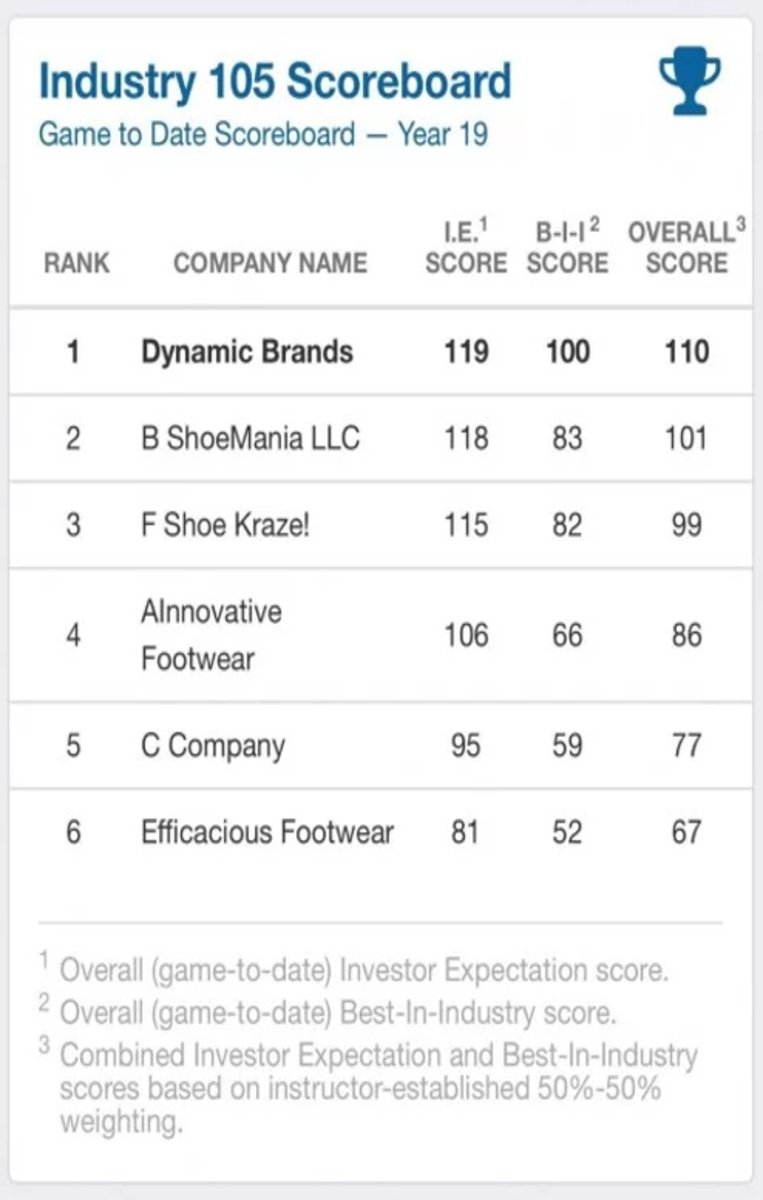
Winning the business strategy game requires understanding your market, creating a strong competitive advantage, and adapting quickly to change.
Ever feel like you’re playing a high-stakes board game where the rules keep changing? Many leaders feel that way trying to figure out how to win the business strategy game. It can be tricky to stay ahead when market conditions are volatile and new competition emerges constantly.
To truly succeed, you need to be more than reactive; you need a well-defined plan. Success depends on knowing your customers inside and out and having the capability to shift when needed. It also requires a unique selling point that makes your business stand out.

How to Win the Business Strategy Game
So, you want to be a winner in the world of business, huh? It’s not about luck; it’s about smart moves and having a clear plan. Think of it like a game, a really exciting one, where you get to decide what happens next. Just like in any game, knowing the rules and having a strategy is super important. Let’s dive into how you can make winning moves and come out on top in the business world.
Understanding the Playing Field
Before you make any big plans, you need to know the playing field. What does that mean? It means understanding your market, your competitors, and your own business strengths and weaknesses. It’s like a treasure map – you need to know where the ‘X’ marks the spot before you start digging!
Market Research: Knowing Your Customers
Imagine trying to sell ice cream to people who live in the Arctic – not a good idea, right? That’s why knowing your customers is super important. Market research is like being a detective for your business. You need to find out:
- Who are they? What age are they? Where do they live? What do they like?
- What do they need? What problems do they have that your business can solve?
- What do they want? Are they looking for a good deal? High quality? Something trendy?
You can use surveys, ask questions directly, and even look at what people are saying online. The better you know your customers, the better you can serve them.
Competitor Analysis: Watching Your Opponents
In any game, knowing your competition is key. You need to know what they’re doing well, where they’re struggling, and what makes your business different. It’s like studying your opponent in a sports match. Think about:
- What do they sell? What products or services do your rivals offer?
- How are they selling it? Do they have a physical store or sell online? How do they market their product?
- What are their strengths and weaknesses? Are they great at customer service? Do they have low prices? Knowing this helps you find your own edge.
SWOT Analysis: Knowing Yourself
Now, let’s look at you! SWOT stands for Strengths, Weaknesses, Opportunities, and Threats. This is a way to take stock of your own business. Ask yourself these questions:
- Strengths: What are we good at? What makes us special? What do we do better than anyone else?
- Weaknesses: What are we not so good at? What could we improve? Where are we falling short?
- Opportunities: What is changing in the market that we can take advantage of? Are there new things we could do?
- Threats: What could hurt our business? What are our competitors doing that we need to worry about?
By understanding these things, you can make sure you’re playing to your strengths and improving areas where you’re not as strong.
Setting Clear Goals and Objectives
Now that you know the lay of the land, it’s time to set some goals. You need to know where you want to go, or you’ll just wander around without getting anywhere. Think of goals as your destinations, and objectives as the steps you take to get there.
SMART Goals: Making Sure They’re Achievable
When you are setting your goals, make sure they are SMART. SMART is an easy way to remember what makes a goal good. It stands for:
- Specific: Know exactly what you want to achieve. Don’t say, “I want to sell more,” say “I want to sell 20% more next quarter.”
- Measurable: You should be able to track your progress. How will you know you’ve met your goal? Using numbers makes this easy.
- Achievable: The goal needs to be possible. Don’t try to achieve the impossible. It should be hard, but not crazy.
- Relevant: Does this goal fit with your overall business plan? Does it make sense for your company?
- Time-bound: When do you want to achieve this goal by? Make sure you have a deadline, so you stay on track.
For example, instead of saying, “We want to improve customer service,” a SMART goal would be, “We will reduce customer complaints by 15% within the next six months.”
Defining Objectives: The Steps to Take
Objectives are smaller steps that help you achieve your big goals. If your goal is to sell 20% more, your objectives might be:
- Increase website traffic by 10%.
- Launch a new social media campaign.
- Offer a new discount on a key product.
Each of these objectives is actionable and will help you reach your larger goal.
Creating a Winning Strategy
With your goals set, it’s time to think about how you’re going to get there. This is where the real strategy comes into play. A good business strategy is like a blueprint for success. It’s the game plan that shows you how to use your resources and get ahead of your rivals.
Differentiation Strategy: Standing Out from the Crowd
One way to win is to be different. Your business can succeed by being unique in some way, whether it is in your product, your service, or your branding. Think about it: you don’t want to be exactly the same as everyone else. There are a few ways you can differentiate yourself:
- Product Differentiation: Make a product that’s better or different. Maybe it’s more sustainable, has more features, or is higher quality.
- Service Differentiation: Offer better customer support, faster shipping, or personalized service.
- Branding Differentiation: Create a brand that people recognize and love. Think about the look and feel of your business, your logo, and your voice.
Cost Leadership Strategy: Being the Most Affordable
Another way to win is by having the lowest costs, and you pass the savings on to your customers. If you can offer a product or service cheaper than your rivals, you can attract a lot of customers. You need to find ways to keep your expenses low and then offer a price that makes customers choose you. You can do this by:
- Negotiating Good Deals: Negotiate with suppliers to get better prices for raw materials or services.
- Improving Efficiency: Use technology to automate processes and cut down on waste.
- Using Technology: Implement systems that reduce costs, and don’t waste resources.
Focus Strategy: Targeting a Niche
Sometimes, instead of trying to be everything to everyone, you can focus on a small, specific group of customers. This is called a focus strategy. This can be based on a:
- Specific Customer Group: For instance, a local bakery might focus on organic products for health-conscious people.
- Specific Product Line: A company might sell only certain types of shoes, focusing on expertise in that niche.
- Specific Location: You may choose to only serve a certain area.
By specializing, you can become the best in your niche, and build a loyal customer base.
Execution and Adaptation
Having a great plan is only half the battle. You also need to put your plan into action and be ready to adjust it as things change. Think of it as building a tower. You need to lay the first bricks carefully, and as you add more you need to keep checking that it is straight.
Project Management: Staying on Track
Project management is like being the conductor of an orchestra, keeping everyone on the same page and making sure things happen on time and within budget. To do this:
- Break Down Big Tasks: Divide projects into smaller, manageable tasks.
- Assign Tasks: Give each person on your team specific responsibilities.
- Set Deadlines: Establish clear timelines for each task and the overall project.
- Track Progress: Monitor how things are going and make sure everything is on track.
Performance Monitoring: Keeping an Eye on Progress
You need to keep track of how your business is doing. This means looking at your numbers, seeing if you’re meeting your goals, and making adjustments if needed. Think of it as looking at the speedometer while you are driving, to check you are going the right speed. Some things you should monitor are:
- Sales: Are you selling enough? Are some products selling better than others?
- Customer Satisfaction: Are your customers happy? Are you getting good reviews?
- Website Traffic: How many people are visiting your website? Where are they coming from?
- Expenses: Are you spending too much? Where can you cut costs?
Adaptation: Being Ready to Change
The business world is always changing, so you need to be ready to change with it. Don’t be stubborn about your plan. If it’s not working, you need to be willing to try something else. Look at new technologies, new trends, and new customer demands and make adjustments as needed.
Building a Strong Team
Remember, you can’t do everything by yourself. A successful business is built by a team of talented and dedicated people. You are all in the same boat. Think of it like having a winning soccer team. Each player has a role, and they all work together to win.
Recruiting the Right People
Finding people who are the right fit for your business can be difficult. You want people who are skilled, hardworking, and share your vision. When looking for new team members, consider the skills and experience you need, and look for people who will be a good fit for your team. Do they have:
- The right skills for the job?
- The right experience for the job?
- The right attitude to fit in with your company’s culture?
Training and Development: Helping Your Team Grow
Once you’ve hired the right people, you need to invest in their growth. Provide training and development opportunities so that they keep improving and can keep up with new trends. Provide on going training and give them chance to grow.
Creating a Positive Work Environment
It’s important to make your work environment fun. When your team is happy, they are more productive and more engaged. Make sure your people feel valued and that they know they’re a critical part of the process. Some things you can do are:
- Offer fair compensation and benefits.
- Recognize and reward good performance.
- Encourage open communication and feedback.
- Create a fun and supportive work environment.
Financial Planning and Management
Money is like the fuel for your business. You need to manage it carefully, or you might run out. Sound financial planning is essential for your business’s success.
Budgeting: Making a Plan for Your Money
Creating a budget is like making a map for your money. It helps you track your income and expenses. It shows you where your money is coming from and where it is going. You can use this to make sure you’re spending it wisely. The key areas to think about are:
- Income: How much money are you bringing in?
- Fixed Expenses: How much are you spending on things like rent and salaries?
- Variable Expenses: How much are you spending on things like marketing and supplies?
Cash Flow Management: Keeping Money Coming In
Cash flow is like the blood flow of your business. If you don’t have enough cash coming in, your business won’t be healthy. You need to make sure you have more money coming in than going out. Some tips for this are:
- Invoice customers promptly.
- Keep track of payments.
- Manage your inventory and don’t overstock.
- Plan for unforeseen costs.
Profitability: Making More Than You Spend
The ultimate goal of any business is to be profitable – to make more money than you spend. You need to look at your profit margins and see how much money you are making on each sale. This helps you understand if your business is sustainable in the long term. Check your:
- Gross profit: total money made from sales minus the cost of producing the product.
- Net profit: the final profit after all other expenses are deducted.
Staying Ahead of the Curve
The world of business never stands still. You need to keep learning and be ready for the changes coming ahead. To do this you need to:
Continuous Learning: Keeping Up with Changes
Make sure you keep learning about what is happening in your industry. Read about new trends, go to conferences, and talk to other people in your field. If you are always learning, you’ll always be on the cutting edge.
Innovation: Finding New Ways to Improve
Don’t be afraid to try new things. Experiment, innovate, and look for ways to improve your business. Look for opportunities to try new ideas, products, or processes.
Networking: Connecting with Others
Talking to other business owners can give you new ideas, new perspectives, and help your business grow. Networking can help you:
- Meet potential customers.
- Find new partners.
- Gain new insights.
By understanding your market, setting clear goals, and creating a great strategy, you can significantly improve your chances of business success. Remember, it’s not just about having a plan, but about executing it well and always being ready to adapt. It is also about having the right team, and being smart about your money. Keep learning, stay innovative, and connect with others to help make your business a winner.
The ULTIMATE Business Strategy Game BSG Guide – 2024 – How to Win BSG
Final Thoughts
Winning requires a clear vision and adaptable planning. You must understand your market and competition. This analysis will inform your strategic choices. Effective execution is also key.
Consistent monitoring and adjustments are crucial. A winning strategy is not static. It requires continuous evaluation and refinement. Learning from successes and failures is important.
Ultimately, the way to win the business strategy game depends on strategic thinking and decisive action. Remember consistent effort and market understanding are must for long-term success.

