
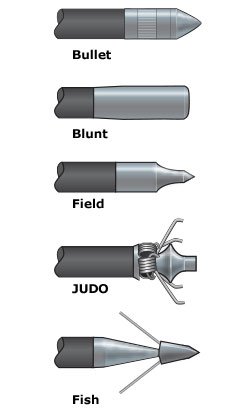
Blunt arrows are typically used for hunting small game such as rabbits, squirrels, and birds.
Have you ever wondered what game you hunt with a blunt? It’s a common question among archers, especially those exploring different hunting techniques. Using blunt arrows changes the game completely, focusing on impact rather than piercing.
This method is designed for smaller creatures. Imagine targeting a rabbit scurrying through the undergrowth. That’s the kind of scenario a blunt arrow excels in.

What Game Do You Hunt With A Blunt?
Hunting with a blunt is different from using sharp arrows or bullets. Instead of piercing, a blunt arrow or projectile is designed to deliver a strong impact. This impact is how the animal is brought down. But, it’s very important to know which animals are suitable for this kind of hunting. Using a blunt on the wrong animal could cause more harm than good, and that is never what we want.
Understanding Blunt Force in Hunting
Before we talk about specific animals, it’s important to grasp what a blunt does. Think of it like a strong push, instead of a cut. When the blunt hits an animal with enough force, it can cause internal injuries or stun the animal, making it unable to run away. This is different from a sharp point that creates a wound, and so we need to consider this when choosing our target.
How Blunt Arrows Work
Blunt arrows aren’t like the pointed arrows you might see in movies. They have a flat or slightly rounded tip. This tip spreads the impact over a wider area. The force is what matters most. When a blunt hits, it transfers its kinetic energy into the animal’s body. This sudden force can disrupt the animal’s organs, causing them to become unconscious quickly. The goal is a quick and humane harvest. Unlike a pointed arrow that causes blood loss, a blunt relies on concussive force.
Advantages of Using a Blunt
There are several reasons why some hunters choose blunts.
- Reduced Risk of Piercing: With a blunt, the arrow is less likely to pierce through the animal, which helps prevent the arrow from travelling too far if it misses its mark. This is especially important in areas where there may be other animals or people nearby.
- Better for Certain Species: Some animals are better taken with a blunt because it can be a more effective way to bring them down without causing a lot of damage to the pelt, or with minimum amount of blood loss.
- Legal Requirements: In some locations, regulations require hunters to use blunt tips for specific animals or types of hunting. Always check local laws before heading out.
Suitable Game for Blunt Force Hunting
Okay, now that we know more about blunts, let’s talk about the animals that are usually hunted with them. Remember, safety and ethical hunting practices are very important. We only want a quick and clean harvest.
Small Game Animals: The Most Common Blunt Targets
Small game animals are the most frequent targets for blunt hunting. Their bodies are smaller and more easily affected by the blunt’s impact. Here are some examples:
- Rabbits and Hares: These animals are excellent targets. Their smaller size makes them susceptible to the stunning effect of a blunt arrow. Usually the hunter will aim for the head or body with a blunt arrow or projectile.
- Squirrels: Like rabbits, squirrels are small and a good choice for blunt hunting. A well-placed shot will quickly end their run without too much damage to their body. Some squirrels are also seen as pests, and many hunters try to remove them from their yards.
- Grouse and Other Birds: Certain types of birds, like grouse, can be hunted with blunt arrows or specialized projectiles. The goal is to strike the bird with enough force to bring it down. These hunts can be challenging but rewarding.
Considerations for Larger Animals
While blunts are mostly used for small game, there are situations where they can be used for bigger animals. But, this requires a lot of knowledge and a carefully considered approach.
- Specific Regulations: Before considering using a blunt on a large animal, make sure you know local laws. Many places forbid the use of a blunt on animals beyond a certain size.
- Higher Energy Requirement: If you try to take a larger animal with a blunt, you need to make sure the projectile delivers a lot of force. This often means a more powerful bow or other hunting tool is required. Even with a strong bow, there is no guarantee you can humanely take down the animal.
- Ethical Concerns: It is very important to consider ethical issues. When the aim isn’t perfect, a blunt may not be able to deliver enough force to quickly bring down a larger animal. This can lead to unnecessary suffering. If we are hunting, we want to make it quick and respectful for the animals we are harvesting.
Choosing the Right Blunt Arrow or Projectile
Not all blunts are the same. It’s important to choose the right one for the animal you are targeting. Here’s what you need to consider:
Types of Blunt Tips
- Rubber Blunts: These are often used for small game. They are very durable and create a good impact. They are a popular choice for target practice and hunting.
- Steel Blunts: Steel blunts provide higher levels of kinetic energy than rubber blunts. They are usually used on slightly larger game and provide more impact for the animal.
- Judo Points: These have small prongs that grab grass and weeds when they miss, making it easier to find the arrow. They work well for hunting in areas with lots of foliage.
Weight and Size
The weight of the blunt arrow or projectile and size should be in line with your bow or other hunting tool and the animal you are targeting. A heavier blunt will deliver more force. However, you should be sure that your gear and your physical strength are strong enough to shoot the heavier projectile accurately. Always practice before heading out for a real hunt.
Material Matters
The material of the blunt also plays a role. Rubber blunts are great for practice and smaller animals. Steel blunts are more suitable for animals needing greater impact. Always check the regulations in your area, too, as they sometimes require specific materials.
Ethical Considerations When Using Blunts
Ethical hunting is not just about following the law; it’s about respecting the animal. Here’s how to approach blunt hunting ethically.
Ensuring a Humane Harvest
The primary goal of every hunter should be a swift and humane harvest. This is even more important when using blunts because you are relying on the impact to take the animal. This means:
- Accurate Shots: Practicing your shooting is key to making sure the shot is precise and effective.
- Choosing the Right Target: Never shoot at an animal if you are unsure of the blunt’s ability to harvest it. You don’t want to wound an animal and cause needless suffering.
- Knowing Anatomy: Understand the animal’s anatomy to aim for the areas that will quickly incapacitate it.
Respecting Wildlife
Hunting is a privilege, and every hunter must respect the wildlife they are pursuing. Here are some things to keep in mind:
- Fair Chase: Give the animal a fair chance. Never pursue an animal that is stuck, cornered, or otherwise vulnerable.
- Proper Handling: Treat the harvested animal with care. Be respectful of the life you have taken.
Legal Aspects of Blunt Hunting
Hunting laws and regulations are put in place to protect wildlife and make sure everyone is safe. It’s very important to know and follow these rules. Here are some crucial points:
Local Regulations
Hunting laws can vary a lot depending on the location. Always check the regulations of your area before you go out to hunt. These regulations can include:
- Permits and licenses: Most areas require a hunting license. Make sure yours is current and valid.
- Specific Species: Some areas may forbid the use of blunts on certain animals. Be sure you know the rules before heading out.
- Hunting Seasons: Check when the hunting season is open for the animals you wish to hunt. Hunting outside of the season is illegal.
Safety Rules
Safety should always be the number one priority. Be aware of the people around you, and never shoot if you are uncertain what is behind your target. Some other good safety tips include:
- Safe Distances: Always keep a safe distance from other hunters or people nearby.
- Proper Gear: Make sure your equipment is in good condition.
- Knowing Your Limits: Don’t push your limits. If you are tired, hungry, or feeling weak, take a break or go home.
Training and Practice
Before trying to hunt an animal with a blunt, make sure you have had a lot of practice. Good skills are important to have a safe and successful hunt.
Target Practice
Regular target practice is very important to learn how to use your gear well. Practice in different situations and at different ranges. This can include:
- Different Distances: Practice shooting at varied distances to learn how the arrow or projectile falls.
- Different Conditions: Try shooting when the weather is bad or when it is windy to get experience in any situation you might find in a real hunt.
- Moving Targets: Practice hitting moving targets to help improve your chances in real-life hunts.
Learning from Experienced Hunters
Learning from people who have done this before can help you improve and pick up good ideas. Consider joining a local hunting club or asking a seasoned hunter to mentor you. They can share tips, tricks, and important safety practices.
Care and Maintenance of Blunt Hunting Equipment
Taking care of your equipment is important to keeping it in good condition. Here are some things you can do to make sure your gear is ready to use:
Regular Checks
- Inspect Arrows: Look at your arrows to see if they are bent or have any cracks. Any damaged arrow should be fixed or replaced.
- Check the Tips: Make sure the blunt tips are still in good shape and securely attached. Replace them if they look worn out.
- Bow Inspection: Always check your bow for any damage or loose pieces. Make sure everything is working properly.
Proper Storage
Proper storage keeps your gear safe and ready to use.
- Dry Location: Store your equipment in a dry place to keep the wood and metal from being damaged by rust or moisture.
- Organized Storage: Keep everything organized in a proper case, which can prevent damage while it is being stored.
Hunting with a blunt is a specialized kind of hunting that requires a good understanding of equipment, animals, and ethical practices. Before considering hunting with a blunt make sure you have the necessary knowledge, training, and respect for the environment. This will lead to more successful and ethical hunting.
Small Game Point Rage Tip Judo Blunt Broadhead
Final Thoughts
So, the question is simple. What game do you hunt with a blunt? The answer primarily focuses on small game like rabbits and squirrels. Using blunt arrows or bolts for hunting prevents piercing.
This minimizes damage to the animal and potentially the arrow. Blunt force trauma works well with targets like these. It’s effective for ethical hunting in specific situations.
Ultimately, the choice depends on local regulations and your personal preference. Understanding target size and projectile effect is essential for responsible hunting. Remember, what game do you hunt with a blunt is a key factor.

