
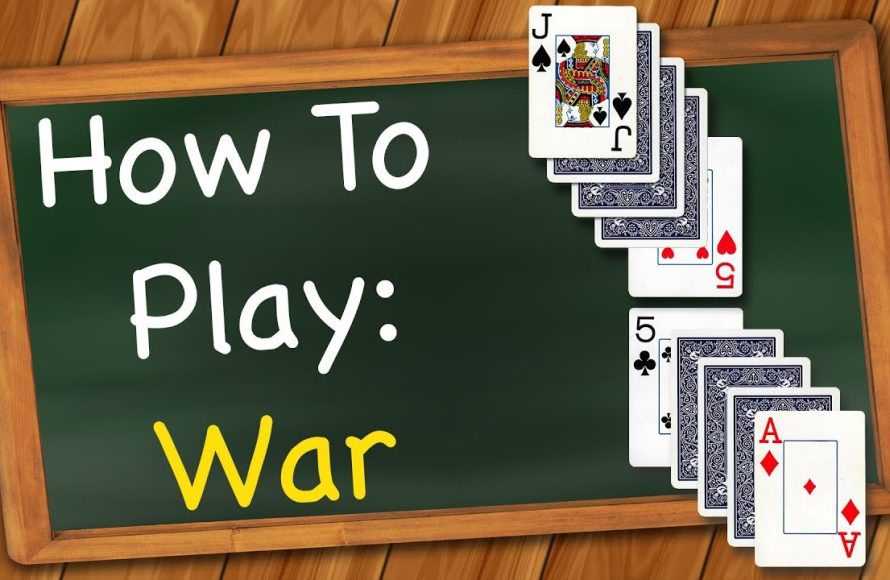
To win war card game, you need to consistently hold higher ranking cards than your opponent, and ultimately, capture all cards from the deck.
The simple card game of War might seem purely luck-based at first glance, but is it really? Many wonder how to win war card game, believing there’s no strategy involved beyond flipping cards. While chance plays a role, understanding the odds and maintaining focus can help you improve your chances.
Although you cannot influence the dealt cards, you can still approach the game with a mindset to minimize losses. This includes keeping track of what cards have been played. Even minor changes can help you gain an edge.

How to Win War Card Game
Okay, let’s talk about War! Not the kind with tanks and armies, but the fun card game where you flip cards to see who gets the bigger number. It sounds super simple, and it is, but that doesn’t mean there aren’t ways to think about playing to maybe tilt the odds slightly in your favor. While luck is a big part of this game, understanding the rules and some strategies can make your game much more fun. So, let’s dig in and explore how to play, how to think about winning, and have more fun while doing it! We will go through each detail so you can be a pro at the war card game.
Understanding the Basics of War
Before we talk about winning, it’s important to know the basics. The game War is played with a standard deck of 52 cards. You will need someone to play against. If you are playing the war card game, then you divide the deck in two. Each player gets half of the deck and keep the pile face down in front of them. Then, you both reveal the top card and compare their values. We will dive deep into each detail.
Card Values
In War, the cards rank as follows (from lowest to highest):
- 2 is the lowest
- 3, 4, 5, 6, 7, 8, 9, and 10 follow in order
- Jack is next
- Queen is higher than Jack
- King is higher than Queen
- Ace is the highest of all
Gameplay Flow
Here’s how a typical turn unfolds:
- Each player flips over the top card from their pile.
- The player with the higher card takes both cards and places them at the bottom of their pile.
- If the cards are of equal value, then it’s WAR!
What Happens During a War?
When both players flip a card with same value, that’s when the excitement (and a small strategy) kicks in! It’s time for war! Let’s see how you can play the war.
The War Sequence
Here’s what you do during a “war”:
- Each player places three cards face down on top of their original card.
- Then, each player flips the fourth card face up.
- The player with the highest fourth card wins all ten cards – the original matching cards, the three face-down cards, and the two new face-up cards!
- If the fourth cards match, another war occurs. Players repeat the step, placing 3 cards face down and one card face up.
- This continues until one player wins the current set of war cards.
War Variations
Some people play with slight variations. For example:
- Some people place only one card face down before placing the face-up card. This makes the game faster.
- Some variations include playing until someone wins all the cards or a set time.
- Always make sure you agree on your house rules before starting.
Strategies for War – Can You Really “Win”?
Okay, so we’ve gone over the rules. Now, let’s talk strategy. It’s good to remember that war is primarily a game of chance. The order of the cards is shuffled which makes the game highly depended on luck. However, that does not mean you can’t make your play smarter. While you can’t control which cards you get, here are ways to make better decisions during play.
Card Management
Since the game involves turning over cards blindly, it’s impossible to know which card you’ll get, but we have some tips to help:
- Keep your cards in order without looking at the face down cards. This makes sure that the game is fair.
- Don’t peek at your cards before placing them face down. If you look, you are cheating!
The Importance of a Large Stack
The more cards you have, the longer you can play. While it doesn’t make you win for sure, but it definitely makes you stay in the game for longer time. This can make the game enjoyable.
- The game can fluctuate, so a large deck means you might endure losing a series of wars.
- If the game has a time limit, then a larger deck gives you a larger opportunity to win.
Psychological Play
Even in a game largely based on luck, your actions can make the game more engaging.
Maintaining Enthusiasm
- Stay enthusiastic whether you’re winning or losing.
- It makes the game enjoyable for both of you.
Reading your opponent
- Even though you can’t see cards, observe your opponent’s face and body language.
- You might find clues on how they’re reacting to their win or loss and make the game more interesting.
Advanced Tactics (If You Really Want to Think About it)
War isn’t the most strategic card game. However, there are some ways to add a bit of strategic thinking if you wish to.
The Importance of Card Tracking
This is a bit more difficult, but you can keep track of the cards that have been played if you want an extra challenge. For example:
- When you see many low cards are played, that means there is a chance higher cards might appear.
- You can do this by keeping a mental note or using some pen and paper, but be respectful to your opponent while playing.
Modifying the Deck Before Starting (Optional)
If you want more control, you can change the starting conditions. This is not a normal practice, but you can do it.
- Some players choose to remove lower cards to make the game quicker and increase the chances of a war. This would make the game quicker and more volatile.
Common Mistakes to Avoid
Let’s make sure you’re not making any of these common errors:
Cheating
It’s important to play fair. Do not cheat by looking at the card and by stacking the cards.
- Don’t sneak peeks at the face-down cards.
- Don’t try to place your cards in a specific order or location while playing.
Not Agreeing on Rules
House rules can vary. Always make sure you and your partner know what you’re doing.
- Make sure to go over the rules before starting.
- Be open to each other’s idea of playing and make the game fun for both of you.
Making the Game More Fun
War can be more than just a random card game. Make the game exciting!
Adding a Twist
How to make it fun for you and your partner:
- Introduce a rule where the person with the lower card takes some cards to the bottom of the deck, not giving them to the winner.
- Play with the rule where if the first war happens with the first card, you play the second war by only showing two cards and then the face up card.
- Invent your own rule with your partner, this will make the game more interesting for you and your partner.
Setting a Goal
To make the game interesting, you can set a goal before starting:
- Play until someone wins a certain number of war cards.
- Play until a time runs out, the person with more cards at the end wins.
The card game War is a fun and simple game that anyone can play. While winning the game depends a lot on luck, you can make sure you are playing it in a fair way. It’s really important to have fun. Whether you are making a twist in the rules, or learning new rules, as long as you are having a good time, you are winning already!
How to play War
Final Thoughts
To win at War, remember luck plays a significant role. However, you improve your odds by playing cards quickly and strategically. A key element is always placing your highest available card when battling.
This gives you the best chance to take the pile. The game’s simplicity means you can’t control the draw, so focus on efficient play.
Ultimately, how to win war card game comes down to a combination of chance and quick, smart decisions. You must play your highest cards for more frequent pile wins.

