
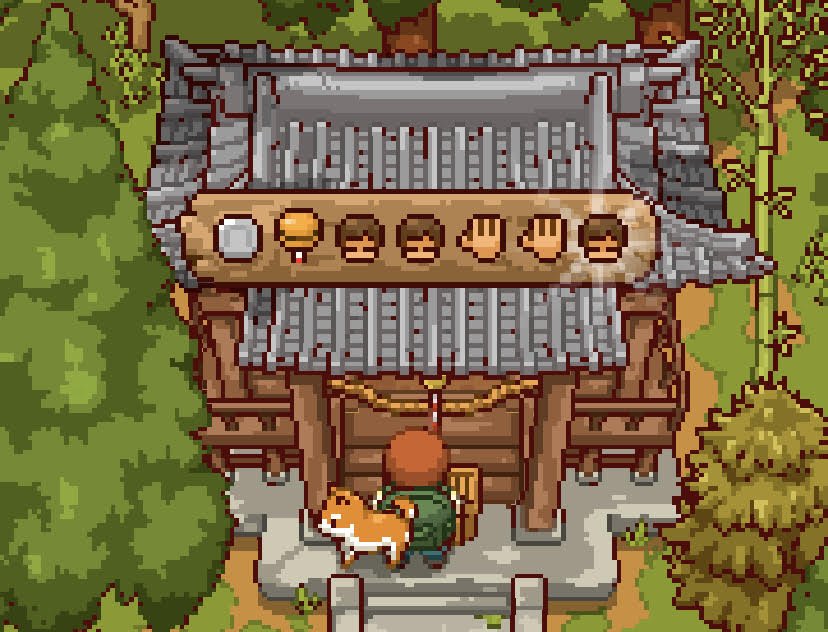
In Japanese rural games, you often worship by offering items at shrines or altars, performing specific actions like bowing or clapping, and sometimes by participating in designated festivals or events.
Have you ever wondered about the spiritual practices within Japanese rural games? Many games incorporate ways to show respect to the local deities. It’s more than just collecting items; it’s about engaging in the game’s cultural context. We will explore how to worship in Japanese rural game.
Often, this involves specific interactive elements. You might find yourself placing offerings of in-game items. These actions create a unique gameplay experience for players. It provides a deeper immersion.

How to Worship in Japanese Rural Games
Alright, let’s dive deep into the fascinating world of worshipping in Japanese rural games! It’s not just about clicking a button; it’s often a mini-adventure in itself, mirroring real-life Shinto traditions. These games often have unique ways of showing respect to the spirits (kami) and seeking blessings, and understanding these rituals can make your gaming experience much richer. Think of it like learning a new language of respect within the game.
Understanding the Basics: Kami, Torii, and Shrines
Before we get into the “how,” let’s talk about the “what.” In many Japanese rural games, worship revolves around a few key elements:
Kami: The Spirits Around Us
Kami are spirits that inhabit everything – rocks, trees, mountains, even household objects! They are not necessarily gods in the Western sense, but rather powerful entities deserving of respect. These spirits influence everything from the weather to your character’s luck in the game. So, when you are thinking of worshipping, it’s about connecting with these powerful forces around you.
Torii: The Gateway
The Torii is that iconic red gate you see everywhere in Japanese imagery. In games, the torii often marks the entrance to a sacred space, usually a shrine. Passing through it symbolizes a transition from the ordinary world to a space where the kami resides. It’s like stepping into a place of peace and power. Always pay attention to these gates; they show you where to go to worship!
Shrines: The Houses of Kami
Shrines are where the kami are believed to reside. In games, these are usually represented by beautifully crafted buildings, often with offering boxes, bells, and places to perform specific rituals. Visiting the shrines and worshipping is vital for game progression in many titles. They can give you special powers, open up new areas, or give you important clues about the game’s story.
The Act of Worship: Simple Steps
Now that we understand the basics, let’s get into the nitty-gritty of how to worship within these games. It’s usually not complicated, but it does involve some specific actions.
Making an Offering: A Gift for the Kami
This is a core part of worship. In games, you’ll often need to offer something at the shrine. This could be:
- In-game Currency: Many games require you to “donate” coins or gems. Think of it as giving a small gift of your time within the game to show respect.
- Specific Items: Sometimes, you’ll need to collect unique items, like special flowers, fish, or even produce from your farm. These might be related to the story or a side quest.
- Crafted Goods: Some games might require you to create special items at a crafting table and then offer them at the shrine. This could be anything from a handmade amulet to a special type of cooked food.
Clapping Your Hands: The Power of Sound
Another key action you’ll see is clapping your hands. This is often a ritual called “ni-rei ni-hakushu” in real life, which means “two bows, two claps.” In many games, you’ll have to press a button or do a gesture that mimics this action. The act of clapping is believed to call the kami’s attention to your presence and your intention to worship.
- Often two claps are required
- Clapping is believed to get the attention of the spirits
Bowing Your Head: Showing Respect
Bowing your head is a fundamental sign of respect in Japanese culture, and this also translates into the game world. In many titles, your character will automatically bow when you approach a shrine or interact with a particular object. This is just a subtle reminder that you’re entering a sacred space. In others, you might need to press a button to make your character bow to show respect.
Ringing the Bell: A Call to the Kami
Many shrines have a large bell. In games, you will often be able to “ring” this bell before starting your prayers. This bell is used to let the kami know that you are there and you are worshipping. When you hear it’s sound it’s a sign you’ve done things properly. It is a nice touch of realism.
Variations in Worship Across Different Games
While the core concepts stay the same, different games will have their unique ways of implementing these rituals. Let’s look at some common variations:
Farming Games: Praying for Good Harvests
In farming games, worship often ties directly into your crop yields. You might need to offer your best crops at the shrine to receive blessings for a fruitful harvest. These blessings could mean a lower chance of pests, better quality crops, or even a higher chance of rare crops growing. It’s like working with the spirits to make your farm thrive!
Offering crops to the kami to improve your harvest.
Praying to the spirits to get rid of pests.
Receiving blessings for rare crops.
Adventure Games: Seeking Divine Guidance
In adventure games, shrines can become key places to find clues or special items. You might have to worship at specific shrines to proceed with the game story. The shrines might give you hints about upcoming dangers, help you get a better gear, or unlock a new area of the map. This makes shrines vital hubs for progression in the games and not just simple decoration.
Shrines can have hidden messages.
You will need to pray to unlock secret passages.
You can get blessed weapons after worship.
Simulation Games: Building a Spiritual Connection
In Simulation games, you will find that the shrines are an important part of the village you’re trying to develop and protect. You need to take care of these shrines and give offerings regularly so the community you manage can benefit from it. There may be festivals, traditions, and special events revolving around these shrines that impact the characters you manage and their moods.
Regular offerings to keep the community’s spirits high.
Shrines can be the focus of village festivals.
Building and maintaining shrines can be a main game mechanic.
Advanced Worship Techniques in Games
As you advance in some games, you might start to encounter more complex worship mechanics:
Purification Rituals: Cleansing Yourself and the Land
Some games will introduce the concept of purification. This might involve cleansing your character of some negative status effect or cleaning a corrupted area of the land. This purification often involves prayers, special items, or even a small mini-game that you have to complete to cleanse yourself of this effect.
Specific items may be needed to purify the land.
You might need to do mini-games to purify characters.
Cleansing rituals will be necessary for game progression.
Daily Prayers: Maintaining Good Standing
Some games encourage you to worship daily. By visiting the shrine often and giving offerings consistently you will get small daily buffs and rewards. This can help with your progression in the game and keep the spirits happy. This might be seen as small, but these things quickly add up as you play.
Daily prayers can bring small bonuses.
Consistency of your offerings can be key.
Daily worship can improve your character’s abilities.
Festival Celebrations: Community Worship
Many games will have festival events related to the shrine. These festivals are a celebration of the kami, and they will require you to participate in events related to them. They might include mini-games, offering particular items, or even interacting with all of the villagers in a festival to increase their happiness.
Special mini-games related to the festival.
Offerings can be doubled during festivals.
Increase the community’s happiness with your participation.
Why Worship Matters in Japanese Rural Games
Worship isn’t just a mechanic you have to do; it’s an integral part of the game’s storytelling. It connects you to the game’s world and shows you how the characters connect to their surroundings. It is a way to slow down and appreciate the culture within the game’s world.
A Reflection of Real-Life Culture
These games often draw heavily from real-life Shinto traditions. By engaging in these rituals, you get a glimpse into the cultural importance of spirituality in Japan. It’s like taking a virtual trip to the Japanese countryside and experiencing their culture in a game.
Improving Gameplay and Storytelling
The acts of worship often affect how the game plays out. By understanding what to offer and how to properly pray, you can affect the story and your character’s journey in meaningful ways. This is not just a cosmetic aspect, it’s an essential part of the gaming experience.
Building Empathy and Appreciation
Worshipping in these games helps you understand the world your character lives in. It’s not just about winning; it’s about appreciating the smaller moments and the cultural context surrounding them. This helps you connect with the game at a deeper, more meaningful level.
Tips and Tricks for Effective Worship
Okay, here are some things to keep in mind as you are playing these games:
Pay attention to details: Games often drop clues about what to offer or how to pray effectively.
Experiment with offerings: Don’t be afraid to try different items; some might give you better results.
Be consistent: If the game allows, try to worship daily, even if you only have a few minutes to play.
Read the game’s lore: Many games have books or journals where you can learn more about the shrine and the spirits.
Have fun: Remember, this is a game! Enjoy the process of exploring and connecting with the spiritual side of the game world.
Worship in Japanese rural games isn’t just about hitting the right buttons; it’s about connecting to the world, understanding its traditions, and taking the time to respect the spiritual elements woven into the gameplay. It adds a layer of depth and meaning that enhances the whole gaming experience.
By understanding the concepts of kami, torii, and shrines, and by paying attention to the specific rituals within each game, you can not only improve your gaming experience but also gain a deeper appreciation for Japanese culture. This makes every offering you make, every bow you do, and every bell you ring just a bit more meaningful, allowing you to truly connect with the game’s world.
Japanese Rural Adventure (Apple Arcade) – Temple Worship
Final Thoughts
To worship in a Japanese rural game, players typically interact with shrines by offering virtual coins or items. These actions often result in receiving blessings, stat boosts, or new abilities. The specific method of interaction can vary per game.
Players should pay attention to in-game tutorials or hints provided by non-player characters. Learning the cultural context within the game is important. This understanding helps them appreciate the significance of their actions.
Therefore, understanding and interacting with these elements provides a great approach to how to worship in japanese rural game.

