
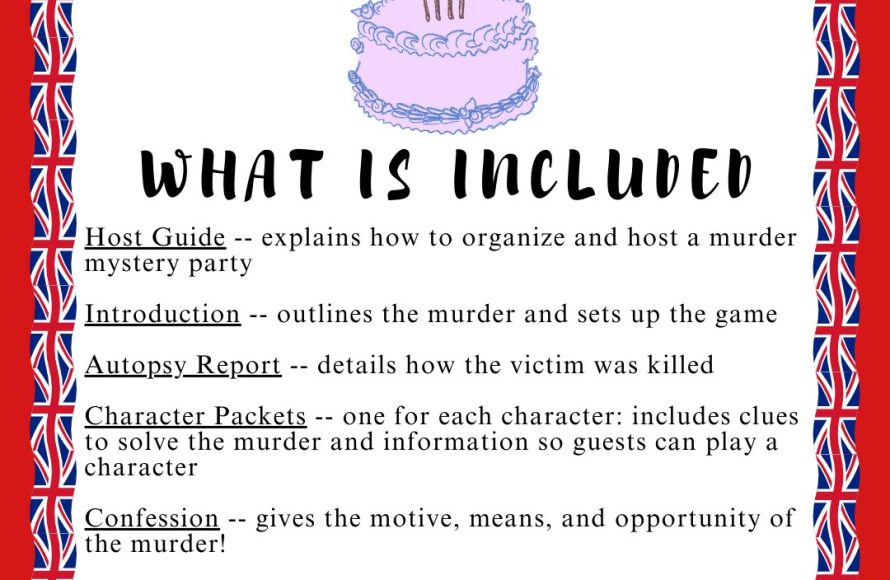
Writing a murder mystery party game requires crafting a compelling plot, developing unique characters with secrets, and designing clues that guide players to the culprit.
Ever dreamt of hosting an unforgettable evening filled with suspense and intrigue? Thinking about how to write a murder mystery party game but feeling a bit overwhelmed? Don’t worry, it’s simpler than you might think. This guide offers practical steps for crafting a killer narrative.
We will walk you through the process. We’ll cover everything from character creation to clue placement to ensure your guests have a night they won’t soon forget. Get ready to become a mystery mastermind!

How to Write a Murder Mystery Party Game
So, you want to create your own thrilling murder mystery party game? That’s fantastic! It might seem like a big task, but breaking it down into smaller steps makes it totally manageable, and a whole lot of fun. Think of it like building with LEGOs – each piece has its place, and when you put them all together, you get something amazing. Let’s get started and explore all the elements you’ll need to write a killer game!
Planning Your Murder Mystery
Before you even think about who gets murdered, you need a solid foundation. This is the blueprint for your game. Consider these crucial first steps:
Choosing a Theme and Setting
This is where the magic begins! What kind of atmosphere do you want to create? A glamorous 1920s speakeasy? A spooky haunted mansion? Maybe a futuristic space station? Your theme will influence everything from the characters to the clues. Let’s explore a few ideas:
- Historical Periods: Think flapper dresses in the Roaring Twenties, Victorian elegance, or Wild West adventures. Each period provides unique costumes, slang, and social dynamics. For example, a 1920s party could have characters like a jazz singer, a bootlegger, and a wealthy socialite.
- Fantasy Worlds: Dragons, wizards, and magical creatures! You could create a game set in a medieval kingdom or a hidden fairy realm. Characters could include a powerful sorcerer, a brave knight, or a mischievous sprite.
- Modern Settings: A high-tech corporation, a Hollywood movie set, or a remote tropical island are all great options. You can include current events and technology for added fun. Characters might be a tech CEO, a famous actor, or a travel blogger.
Once you have a theme, consider the setting. Is it indoors, outdoors, or both? Will the players move around a lot, or will they mostly stay in one area? This will affect the game’s flow and the type of clues you can use.
Deciding on the Number of Players
How many people are you expecting at your party? This will determine the number of characters you create. It’s usually best to have a minimum of 6 players for a good murder mystery game and you can handle up to 20 or more if you’re organized. Each character needs to be important, so you don’t want too many extras. Aim for a balance where everyone has something to do and a reason to be there.
Crafting Compelling Characters
Characters are the heart of any good murder mystery. They each need their own distinct personality, secrets, and reasons for being involved in the story. Here’s how to create engaging characters:
Developing Backstories
Give each character a detailed background. Where do they come from? What are their relationships with other characters? What are their motives? These details will make the characters feel real and make their actions more believable. Think about:
- Motives: Does anyone have a reason to want someone else dead? Jealousy, greed, revenge – all are great motivators.
- Relationships: Are they friends, enemies, family? How do they feel about each other? Past conflicts are a goldmine for creating tension.
- Secrets: Everyone should have at least one secret! These can be anything from hidden affairs to shady business dealings. Secrets add layers of complexity to the game and make players suspicious of each other.
Creating Character Profiles
Write a short profile for each character that includes their name, a brief description, their relationships, and their main secrets or objectives. You’ll give these to the players before the party, along with any costume suggestions, to help them get into character. Include details that will help players act like their character. For example, do they have a nervous tic, or do they speak with a certain accent? These small details will really enhance the game.
Designing the Murder and the Mystery
Now, for the main event – the murder itself! Here’s how to design a compelling mystery:
Choosing the Victim
Who gets the axe, or the poison, or whatever fate you choose for them? Think about a victim that will have a ripple effect on your group. Make sure the victim has clear connections with other characters and a reason someone would want them dead. Consider how the victim’s role interacts with the other characters’ secrets. For instance, maybe they knew too much.
Setting up the Murder
The murder scene is a crucial element in the story. Where did it happen? How was it done? Make sure that the “how” fits with the narrative. Here are a few ways to plan the scene:
- Method of Death: Was it a poisoning, a stabbing, or a more elaborate scheme? The method of death can provide clues.
- The Scene: What items are present at the scene? Can these be clues? A broken vase, a torn piece of paper, or a misplaced object can all be essential.
- Time of Death: Is there a potential timeline for when the murder occurred? This can help narrow down suspects.
Creating Clues
Clues are the bread and butter of any murder mystery. They lead the players along the path of the investigation, building suspense and driving the story forward. There are many types of clues, so let’s break them down:
- Physical Clues: These are objects found at the scene or on characters. Examples include handwritten letters, fingerprints, or a broken piece of jewelry.
- Verbal Clues: These are things the characters say during conversations. Pay attention to potential lies, suspicious remarks, and inconsistencies in stories.
- Background Information: Hidden facts about characters, including past events or relationships, that can provide clues when revealed.
Make sure the clues are spread throughout the game and require some effort to discover. Don’t make them too easy to find or too difficult. Balance is key.
Red Herrings
Red herrings are like false clues that lead players down the wrong path. These will make the game more challenging and engaging. Include clues that point to the wrong suspects to create a twist in the investigation and keep everyone guessing until the end. Too many red herrings could be frustrating, so use them sparingly.
Writing the Game Script
Now that you have the characters, the murder, and the clues, it’s time to put it all together into a script. Here’s how to do it:
Structuring the Game
A murder mystery game usually unfolds in rounds or phases. Each phase provides new information or challenges to the players. A typical structure might look like this:
- The Introduction: Characters are introduced and the initial scenario is established. The murder takes place (sometimes off-scene) either just before the party or at the beginning.
- First Round of Investigation: Players mingle and start questioning each other. They can reveal some secrets and start to look for clues.
- Second Round of Investigation: New clues might appear, and players can begin making accusations.
- Final Accusation and Reveal: Players share their final theories and the true killer is revealed.
You can customize this based on your needs.
Writing Dialogue and Player Instructions
Provide the players with enough information to engage in the game but not so much that they know all the answers right away. Include suggested dialogue, which is particularly helpful for players who might be new to murder mystery games. These instructions should explain each player’s objectives, secrets, and what they need to do during the game. Make sure the instructions are clear and concise. For example, “During the second round, approach Mr. Smith and try to extract information regarding his alibi.”
Creating the Solution
Finally, you will need to outline how the mystery is solved. Who is the killer? What was their motive? How are the different clues connected? Make a clear step-by-step path for players to follow in order to reach the correct answer. This solution should be logical and explain all the loose ends in the story. If you are using multiple rounds, think about when the solution to the mystery will be revealed. Should it be after the second or last round, after everyone has made their claims and accusations?
Preparing the Game Materials
A good murder mystery isn’t just about the story; it’s about presentation. Here’s how to make your game look and feel amazing:
Character Booklets
Create a booklet for each character that includes their profile, costume suggestions, and dialogue cues, and secret objectives. If there are specific actions that certain players need to perform, clearly include them in the character booklet. Be sure to print these on quality paper to make the game feel more premium.
Clue Cards
Write or print out the clues on cards or slips of paper. You can use different types of paper or ink for the physical clues to make them look more authentic. For example, a letter might be on old-looking parchment paper, while a fingerprint could be on a small card. You could also hide some of the clues in specific locations to make them more interesting to find.
Setting the Scene
Even simple decorations can make a big difference. Set the mood with themed decorations. For example, if it’s a 1920s murder mystery, put up some art deco posters and use vintage-style accessories. You can use music, lighting, and even the food to enhance your selected theme. Dimmed lighting can make the setting more mysterious, while jazz music can create a relaxed but suspenseful atmosphere. Make your location inviting and interactive.
Testing and Refining Your Game
Before you host your big party, it’s essential to test your game to make sure it flows well and makes sense.
Playtesting with Friends
Get a few friends together and walk them through the game. Watch for areas where they seem confused, bored, or where the clues aren’t clear. Did they get hung up on a specific clue or did they make assumptions you didn’t consider? If anything needs clarifying or adjusting, it is much better to notice it now rather than during the actual party.
Making Adjustments
Based on your playtest, make any necessary adjustments. Maybe you need to simplify a clue, add a little more information to a character’s background, or make the solution more direct. Don’t be afraid to make changes to your game based on feedback. After your playtest, refine any dialogue, make characters clearer, and re-evaluate any plot holes in the game you designed.
Creating a murder mystery game is a wonderful way to flex your creative muscles, entertain your friends, and have a killer time! Remember, the most important thing is to have fun with the process. Take the time to plan thoroughly and don’t be afraid to experiment and try new ideas. By following these tips, you’ll be able to craft an unforgettable experience that everyone will enjoy. Now, go forth and create a mystery that would make even Sherlock Holmes proud!
How To Create A Murder Mystery Party In 10 Steps
Final Thoughts
Carefully craft your characters, weaving them into a compelling narrative. Ensure each has a clear motive, however small, that connects them to the victim. This step is must for an engrossing experience.
Develop clues that guide players, but avoid making them too obvious. Sprinkle red herrings to challenge participants, creating twists and turns. Remember, a good game balances complexity with playability.
Finally, provide a framework for the game itself, with defined roles and goals. By doing these things, you’ll learn how to write a murder mystery party game.

