
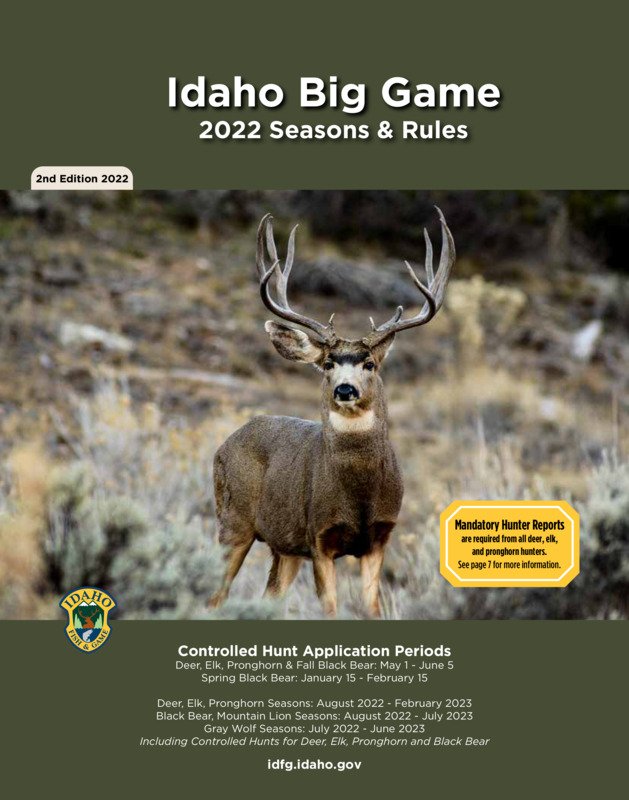
Idaho big game seasons rules specify dates, weapon restrictions, and geographical units for hunting various animals like deer, elk, and bear, all of which are detailed in the Idaho Department of Fish and Game regulations.
Planning a big game hunt in Idaho? You’ll need to understand the intricacies of the idaho big game seasons rules.
Navigating these regulations can feel overwhelming at first. Dates, zones, weapon restrictions – it’s a lot to keep track of!
This guide simplifies the key elements of the Idaho Department of Fish and Game’s regulations, ensuring you’re hunt is legal and successful. Let’s break down what you need to know.

Idaho Big Game Seasons Rules
Idaho boasts a diverse landscape and abundant wildlife, making it a premier destination for big game hunting. Understanding the Idaho big game seasons rules is crucial for a safe, ethical, and legal hunting experience. Hunters must adhere to regulations set by the Idaho Department of Fish and Game (IDFG).
These rules are put in place to manage wildlife populations and maintain healthy ecosystems. Failure to comply with these regulations can result in fines, loss of hunting privileges, or even jail time. It is your responsibility to know and follow the rules.
Understanding Idaho’s Big Game Species
Idaho is home to a variety of big game species. These include elk, deer, pronghorn, black bear, mountain lion, gray wolf, and bighorn sheep. Each species has specific hunting seasons and regulations.
Knowing the habits and habitats of these animals is crucial for a successful hunt. Proper identification is also vital to avoid mistakenly harvesting the wrong animal. Always double-check your target before taking a shot.
Idaho Hunting Licenses and Permits
Before you can hunt big game in Idaho, you need the proper licenses and permits. A valid hunting license is required for all hunters age 10 and older. In addition to the license, you will likely need specific tags or permits for the species you intend to hunt.
These tags and permits are often obtained through a lottery or controlled hunt process. Make sure you apply for the appropriate tags well in advance of the hunting season. Deadlines for applications vary, so plan accordingly.
Idaho Residency Requirements for Hunting
To obtain a resident hunting license in Idaho, you must meet certain residency requirements. Generally, you must have physically resided in Idaho for at least six months immediately preceding your application. Proof of residency, such as a driver’s license or utility bill, is typically required.
Non-residents can also purchase hunting licenses and tags, but the fees are generally higher. Some tags are limited in number and may only be available through a lottery. Check the IDFG website for specific residency requirements and non-resident hunting opportunities.
Idaho Controlled Hunts
Many popular hunting areas in Idaho are managed through controlled hunts. This system helps to manage hunter density and ensure sustainable harvests. Controlled hunts require hunters to apply for a specific zone and season.
The IDFG uses a lottery system to select hunters for these controlled hunts. Successful applicants receive a controlled hunt tag that allows them to hunt in the designated area during the specified season. Apply for controlled hunts well before the deadline!
General Season Regulations for Big Game
General season regulations apply to areas that are not part of controlled hunts. These regulations specify the dates, locations, and weapon restrictions for hunting various big game species. Be certain of these before going into the field.
It is important to carefully review the IDFG regulations booklet to understand these rules. Regulations can change from year to year, so always check the latest version. Pay close attention to season dates, bag limits, and area closures.
Specific Big Game Season Rules
The rules for each big game animal will vary slightly. Here are some general rules.
Elk Hunting Seasons and Rules
Elk are a popular big game animal in Idaho. Elk hunting seasons typically run from late summer through late fall, depending on the zone and weapon type. The IDFG manages elk populations through general seasons and controlled hunts.
Specific regulations address antler point restrictions, which dictate the minimum size or configuration of antlers that can be legally harvested. These rules are designed to protect younger bulls and promote healthy elk populations. Be sure to know what is legal in the zone you are hunting.
Deer Hunting Seasons and Rules
Deer hunting is another popular activity in Idaho. Deer seasons are often divided into different zones and weapon types. Regulations may vary for whitetail deer and mule deer.
Hunters should be aware of antlerless deer hunting opportunities. In some areas, the IDFG may issue tags for antlerless deer to help manage deer populations. Again, careful attention to the rules in your area is paramount.
Pronghorn Hunting Seasons and Rules
Pronghorn, also known as antelope, are found in the open grasslands of southern Idaho. Pronghorn hunting seasons are typically shorter than deer or elk seasons. Hunters often apply for controlled hunt tags to hunt pronghorn.
Regulations may specify whether hunters can harvest bucks or does. Pronghorn are fast runners, so hunters need to be prepared for challenging shots. Scouting is crucial for a successful pronghorn hunt.
Black Bear Hunting Seasons and Rules
Black bear hunting is allowed in many parts of Idaho. Black bear seasons can be quite lengthy, often starting in the spring and continuing into the fall. Hunters should be aware of baiting regulations and restrictions on hunting near campgrounds or residences.
It is important to properly identify black bears before taking a shot, as other bear species, such as grizzly bears, may be present in some areas. Be aware of bear safety guidelines and carry bear spray.
Mountain Lion Hunting Seasons and Rules
Mountain lion hunting is permitted in Idaho, with specific seasons and regulations. Mountain lion hunting often involves the use of hounds. Hunters must comply with specific rules regarding the use of dogs and reporting requirements.
Mountain lions are solitary animals, so hunting them can be challenging. Hunters should be aware of safety precautions and potential conflicts with livestock or pets.
Gray Wolf Hunting Seasons and Rules
Gray wolf hunting and trapping are allowed in Idaho, subject to specific regulations. Wolf management is a controversial topic, and regulations can change frequently. Hunters and trappers should stay informed about the latest rules.
Wolf hunting seasons are typically structured to manage wolf populations and minimize conflicts with livestock. Be aware of any harvest quotas or reporting requirements.
Bighorn Sheep Hunting Seasons and Rules
Bighorn sheep hunting is highly regulated in Idaho. Bighorn sheep tags are typically very limited and highly sought after. Hunters must apply for controlled hunt tags and may need to pass a sheep hunter education course.
Bighorn sheep live in rugged terrain, making hunting them physically demanding. Hunters should be prepared for steep climbs and long hikes. Ethical hunting practices are essential to ensure the conservation of these iconic animals.
Weapon Restrictions and Regulations
Idaho regulations specify permitted weapons for different big game species and seasons. Common weapon types include rifles, shotguns, muzzleloaders, and archery equipment. Each weapon type has specific rules regarding caliber, projectile type, and modifications.
Hunters must use legal and ethical methods when harvesting big game. This includes using appropriate ammunition and ensuring a clean, humane kill. Always practice proper shooting techniques and sight in your weapon before the hunting season.
Archery Hunting Regulations
Archery hunting has specific regulations concerning bow types, draw weights, and arrow specifications. Hunters may be required to use broadheads that meet minimum cutting diameter requirements. Check the regulations.
Archery hunters often have opportunities to hunt during special archery-only seasons. These seasons can offer a quieter hunting experience and the chance to pursue big game before the general rifle season. However, proficiency is key to ethical archery hunting.
Muzzleloader Hunting Regulations
Muzzleloader hunting also has its own set of regulations. These rules often dictate the type of propellant, projectile, and ignition system allowed. Some muzzleloader seasons may be restricted to traditional muzzleloaders without modern enhancements.
Muzzleloader hunting requires a different set of skills compared to rifle hunting. Hunters should be familiar with loading, cleaning, and maintaining their muzzleloader. Practice is essential for accurate shooting.
Hunting on Private Land
Hunting on private land in Idaho requires permission from the landowner. Trespassing on private property without permission is illegal. Hunters should always obtain written permission from landowners before hunting on their land.
Respecting private property is crucial for maintaining positive relationships between hunters and landowners. Be sure to leave gates as you found them and avoid damaging fences or crops. Communication and respect are key.
Hunter Education Requirements
Idaho requires most hunters born after January 1, 1975, to complete a hunter education course. This course covers topics such as firearm safety, ethics, wildlife identification, and hunting regulations. Completing a hunter education course is a great way to learn about safe and responsible hunting practices.
Even if you are not required to take a hunter education course, it is highly recommended. These courses can help you become a more knowledgeable and ethical hunter.
Ethics and Fair Chase
Ethical hunting practices are essential for maintaining the integrity of hunting and ensuring the conservation of wildlife. Hunters should strive to make clean, humane kills and avoid causing unnecessary suffering to animals. Fair chase principles dictate that hunters should not take unfair advantage of animals.
This includes avoiding the use of electronic devices that give an unfair advantage, such as thermal imaging or drones. Respecting wildlife and their habitat is paramount for ethical hunters.
Reporting Requirements
Idaho has specific reporting requirements for certain big game species. Hunters may be required to submit harvest reports or check stations after harvesting an animal. These reports provide valuable data that helps the IDFG manage wildlife populations.
Failure to comply with reporting requirements can result in fines or loss of hunting privileges. Be sure to familiarize yourself with the reporting requirements for the species you are hunting.
Harvest Reporting Procedures
When you harvest an animal, you often need to fill out your tag immediately. This typically involves removing the appropriate section of the tag and attaching it to the animal. You may also need to notch the tag with the date of the harvest.
Follow the instructions on your tag carefully. Accurate and timely reporting is essential for wildlife management.
Check Stations
The IDFG operates check stations during certain hunting seasons. These check stations allow biologists to collect data on harvested animals, such as age, sex, and health. Hunters may be required to stop at check stations if they are located along their route of travel.
Cooperating with check station personnel is important for contributing to wildlife research and management efforts. The information gathered at check stations helps the IDFG make informed decisions about hunting regulations.
Penalties for Violations
Violating Idaho hunting regulations can result in significant penalties. Fines, loss of hunting privileges, and even jail time are possible consequences. The severity of the penalty depends on the nature of the violation.
Hunters should be aware of the potential consequences of breaking the law. Ignorance of the law is not an excuse. It is your responsibility to know and follow the rules.
Common Hunting Violations to Avoid
Some common hunting violations include hunting without a valid license or tag, trespassing on private property, shooting from a public road, and exceeding bag limits. Make sure you’re not doing any of these.
Other violations include using illegal weapons or ammunition, hunting out of season, and failing to report harvested animals. Avoiding these violations requires careful planning, knowledge of the regulations, and ethical hunting practices.
Staying Updated on Idaho Big Game Seasons Rules
Idaho hunting regulations can change from year to year. It is important to stay updated on the latest rules and regulations. The IDFG website is the best source of information. You can also pick up a copy of the regulations booklet at license vendors.
Attending hunter education courses and reading hunting magazines can also help you stay informed. Staying informed is essential for a safe, ethical, and legal hunting experience.
Resources for Hunters
The IDFG website (idfg.idaho.gov) is a valuable resource for hunters. The website provides information on hunting seasons, regulations, license requirements, and controlled hunts.
Local IDFG offices can also provide assistance to hunters. Staff can answer questions and provide guidance on hunting opportunities in their area. Don’t hesitate to reach out if you need help.
Utilizing the Idaho Department of Fish and Game Website
The IDFG website offers a wealth of information for hunters. You can find interactive maps that show hunting unit boundaries, public land access, and wildlife distribution.
The website also provides online tools for purchasing licenses and tags, applying for controlled hunts, and reporting harvests. Take advantage of these online resources to streamline your hunting experience.
Connecting with Local IDFG Offices
Local IDFG offices are staffed with knowledgeable professionals who can assist hunters. They can provide information on specific hunting units, local wildlife populations, and access restrictions.
Attending public meetings hosted by the IDFG is a great way to learn about current issues and provide input on hunting regulations. Engaging with the IDFG is essential for ensuring sustainable wildlife management.
Understanding Hunting Unit Boundaries
Idaho is divided into numerous hunting units, each with its own set of regulations. It is important to understand the boundaries of the hunting unit you plan to hunt in. Hunting unit maps are available on the IDFG website and in the regulations booklet.
Using GPS devices and mapping apps can help you stay within the boundaries of your designated hunting unit. Pay close attention to boundary markers in the field to avoid accidentally hunting in the wrong area.
Public Land Access
Idaho has a significant amount of public land that is open to hunting. This includes land managed by the Bureau of Land Management (BLM) and the U.S. Forest Service (USFS). Hunters should be aware of access restrictions and regulations on public land.
Some areas may be closed to vehicle traffic or have seasonal closures to protect wildlife. Check with the BLM or USFS for specific regulations in the area you plan to hunt.
Private Land Considerations
While public land offers ample hunting opportunities, many hunters also seek permission to hunt on private land. Building relationships with landowners can provide access to prime hunting areas. Always be respectful of private property.
Obtaining written permission from landowners is essential before hunting on their land. Communicating with landowners about your hunting plans and sharing your harvest can help maintain positive relationships. Be respectful.
Safety Tips for Big Game Hunting
Safety should always be a top priority when hunting big game. Wear hunter orange clothing to increase your visibility to other hunters. Carry a first-aid kit and know how to use it.
Inform someone of your hunting plans and expected return time. Be aware of weather conditions and dress appropriately. Practice safe firearm handling techniques at all times.
Gear Checklist for Big Game Hunting
A well-prepared hunter is a safe and successful hunter. Pack essential gear such as a rifle or bow, ammunition or arrows, a knife, a rangefinder, binoculars, a map and compass or GPS, a first-aid kit, and plenty of food and water.
Consider the terrain and weather conditions when selecting your gear. Sturdy boots, warm clothing, and rain gear are essential for hunting in Idaho’s diverse landscapes.
Big Game Digital Scouting Series: Tutorial 3
Final Thoughts
Navigating Idaho’s big game hunting requires understanding the regulations. These rules ensure responsible hunting practices and wildlife conservation. Hunters must familiarize themselves with specific unit quotas, weapon restrictions, and license requirements.
Remember to check the Idaho Fish and Game website for the most up-to-date information. Regulations change annually. Being informed avoids potential penalties.
In summary, stay informed and hunt ethically. Adhering to Idaho’s big game seasons rules guarantees a successful and legal hunting experience. Therefore, always review the official guidelines before heading into the field.

