
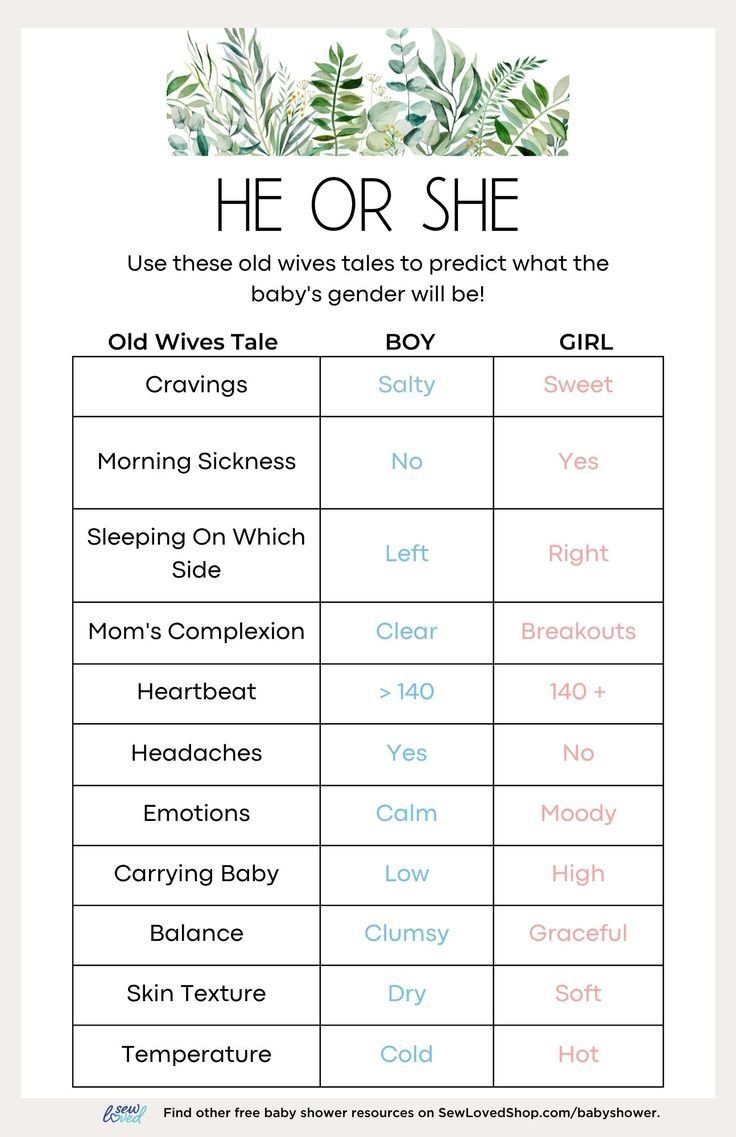
The “guess the gender game” often relies on stereotypes associated with appearance, behavior, and interests, but it is important to remember that these are not reliable indicators of a person’s gender identity.
Ever found yourself playing the “guess the gender game” based on someone’s profile picture or writing style online? It’s a common habit, but one we should probably rethink.
We often make assumptions based on limited information. These assumptions can be inaccurate and even hurtful. Let’s explore why this seemingly harmless game isn’t as innocent as it seems.

Guess the Gender Game: Exploring Social Perceptions and Algorithmic Bias
The “guess the gender game” is a social activity where participants attempt to determine a person’s gender based on limited information. This information often includes appearance, name, voice, or a combination thereof. It can be a lighthearted party game or a more serious exploration of societal biases.
The game can highlight how gender stereotypes influence our perceptions. It also raises important questions about gender identity and expression.
The Social Dynamics of Guessing Gender
The game often reflects prevailing social norms. These norms define what is considered “masculine” or “feminine.”
Participants consciously or unconsciously apply these stereotypes to make their guesses.
Common Cues Used in Gender Guessing
Several factors contribute to gender guesses. These factors often rely on visual and auditory cues.
Appearance: Hairstyle, clothing, and physical features play a significant role. These elements are often associated with specific genders.
Voice: Pitch and tone of voice are frequently used indicators. Higher pitches are commonly associated with females, and lower pitches with males.
Name: Certain names have strong gender associations. This can significantly influence initial guesses.
Behavior: Perceived mannerisms and personality traits can also play a role. These are heavily influenced by stereotypes.
The Rise of AI-Powered Gender Guessing
With advancements in AI, algorithms can now perform gender recognition. These algorithms analyze images, audio, and text to predict gender.
This has led to both interesting applications and serious ethical concerns.
How AI Algorithms Guess Gender
AI algorithms use machine learning techniques to identify patterns. They are trained on vast datasets of labeled images, audio, and text.
The algorithm learns to associate certain features with specific genders.
Facial Recognition: Algorithms analyze facial features like bone structure and eye shape. They learn to correlate these features with gender.
Voice Analysis: Algorithms analyze vocal characteristics such as pitch, tone, and speech patterns. These patterns are then used to predict gender.
Text Analysis: Algorithms analyze text for gendered language and pronouns. These elements can offer clues about the author’s gender.
Ethical Considerations and Biases in AI Gender Recognition
AI gender recognition raises significant ethical concerns. These concerns primarily revolve around bias and privacy.
Algorithmic bias can perpetuate harmful stereotypes.
The Problem of Biased Datasets
AI algorithms are only as good as the data they are trained on. If the training data is biased, the algorithm will also be biased.
For example, if a facial recognition algorithm is trained primarily on images of white males, it will likely perform poorly on women and people of color. This can lead to inaccurate and discriminatory outcomes.
Consequences of Algorithmic Bias
Biased AI systems can have serious real-world consequences. They can lead to unfair or discriminatory treatment in various areas.
Surveillance: AI-powered surveillance systems might misidentify individuals. This can lead to wrongful arrests or other injustices.
Hiring: AI-based hiring tools can discriminate against certain groups. This perpetuates inequalities in the workplace.
Loan Applications: Biased algorithms can deny loans to qualified individuals. This further exacerbates existing financial disparities.
The Importance of Diverse and Representative Datasets
Addressing algorithmic bias requires careful attention to data collection and preparation.
It is crucial to use diverse and representative datasets. These datasets must accurately reflect the population on which the algorithm will be used.
Beyond the Binary: The Limitations of Gender Guessing
The “guess the gender game,” whether played by humans or algorithms, operates on a binary understanding of gender. This binary view fails to capture the complexity and diversity of gender identities.
Many individuals identify as non-binary, genderfluid, or transgender. Forcing them into a binary category is both inaccurate and disrespectful.
The Spectrum of Gender Identities
Gender is not a simple binary. It exists on a spectrum with a wide range of identities.
Non-binary individuals do not identify exclusively as male or female. Genderfluid individuals experience shifts in their gender identity over time. Transgender individuals have a gender identity that differs from the sex they were assigned at birth.
Respecting Individual Identities
It is important to respect individuals’ self-identified gender. This includes using their correct pronouns and avoiding assumptions about their gender identity.
Misgendering someone can be hurtful and invalidating. It is crucial to create a welcoming and inclusive environment for everyone.
The Role of Gender Expression in Social Perception
Gender expression refers to how individuals outwardly present their gender. This includes clothing, hairstyle, makeup, and behavior.
Gender expression is distinct from gender identity. It is a way for individuals to express themselves.
How Gender Expression Influences Guesses
People often rely on gender expression to make guesses about someone’s gender. However, gender expression is not always indicative of gender identity.
Someone may express themselves in ways that do not align with traditional gender norms. This does not invalidate their gender identity.
Challenging Gender Stereotypes Through Expression
Individuals can challenge gender stereotypes through their gender expression. By defying expectations, they can help to broaden societal understanding of gender.
This can be a powerful form of activism and self-expression.
The Psychology Behind Categorization
Humans have a natural tendency to categorize things. This helps us to make sense of the world around us.
However, categorization can also lead to stereotypes and biases.
The Cognitive Process of Categorization
Categorization is a fundamental cognitive process. It allows us to group similar objects or concepts together.
This simplifies information processing and allows us to make quick judgments.
The Dangers of Overgeneralization
Overgeneralization occurs when we apply a category to all members of a group. This can lead to inaccurate and harmful stereotypes.
It is important to recognize the diversity within groups and avoid making assumptions about individuals based on their group membership.
The Future of Gender Recognition Technology
The development of gender recognition technology is rapidly evolving. Researchers are exploring new approaches that are more accurate and ethical.
However, the use of this technology remains controversial.
Advancements in AI Algorithms
Researchers are working on developing AI algorithms that are less biased and more sensitive to the complexities of gender.
These algorithms may use different types of data or employ techniques to mitigate bias.
The Debate Over the Use of Gender Recognition Technology
There is ongoing debate about whether gender recognition technology should be used at all.
Some argue that it has legitimate applications, such as in security or customer service. Others argue that it is inherently discriminatory and should be banned.
Alternatives to Gender Recognition
Rather than focusing on guessing gender, some advocate for focusing on understanding individual needs and preferences.
This approach avoids making assumptions about individuals and promotes inclusivity.
Creating Inclusive Environments: Moving Beyond Gender Guessing
Ultimately, the goal should be to create inclusive environments where everyone feels welcome and respected. This requires moving beyond the practice of guessing gender.
Instead, we should focus on treating everyone as individuals and respecting their self-identified gender.
Promoting Gender-Neutral Language
Using gender-neutral language can help to create a more inclusive environment. This includes using pronouns such as “they/them” when referring to someone whose gender is unknown or non-binary.
It also involves avoiding gendered terms in job descriptions and other communications.
Educating Others About Gender Diversity
Education is key to promoting understanding and acceptance of gender diversity. This includes teaching people about different gender identities and expressions.
It also involves challenging gender stereotypes and biases.
Advocating for Inclusive Policies
Advocating for inclusive policies can help to protect the rights of transgender and non-binary individuals. This includes policies that prohibit discrimination based on gender identity.
It also includes policies that allow individuals to use the restroom and other facilities that align with their gender identity.
“Guess the Gender” Games in Different Contexts
The “guess the gender” game manifests in different contexts, each with its own nuances and implications. From casual social interactions to sophisticated AI applications, the underlying principles and potential pitfalls remain relevant.
Examining these varied contexts reveals the complex interplay between social perception, algorithmic bias, and the ongoing evolution of our understanding of gender.
Casual Social Interactions
In everyday conversations and social gatherings, the “guess the gender” game is often played unconsciously. We make assumptions about people’s genders based on their appearance, voice, and behavior.
These assumptions can be harmless, but they can also be hurtful or invalidating, particularly for individuals who do not conform to traditional gender norms.
Online Gaming and Virtual Worlds
Online games and virtual worlds provide opportunities for individuals to express themselves in different ways. Players can create avatars that reflect their gender identity or experiment with different gender expressions.
The “guess the gender” game can still occur in these virtual spaces, as players may try to infer other players’ genders based on their avatars or online interactions.
Customer Service and Support
In customer service interactions, agents may try to infer a customer’s gender to personalize their service. However, making assumptions about a customer’s gender can be problematic, particularly if the customer does not identify with the gender that is assumed.
Using gender-neutral language and asking customers for their preferred pronouns can help to avoid these issues.
The Impact of Media Representation on Gender Perception
Media representation plays a significant role in shaping our perceptions of gender. The way genders are portrayed in movies, television shows, and other media influences our understanding of what is considered “masculine” or “feminine.”
These representations can reinforce or challenge existing stereotypes.
The Power of Stereotypical Portrayals
Stereotypical portrayals of genders can perpetuate harmful biases. They limit the range of acceptable gender expressions.
For example, portraying women as overly emotional or men as emotionally unavailable reinforces these stereotypes.
The Importance of Diverse Representation
Diverse representation in media is crucial for challenging gender stereotypes. Showcasing characters with a wide range of gender identities and expressions can broaden societal understanding.
This helps to create a more inclusive and accepting environment for everyone.
Deconstructing Gender Stereotypes: A Collective Effort
Deconstructing gender stereotypes is a collective effort. It requires individuals, organizations, and institutions to work together.
By challenging stereotypes and promoting inclusivity, we can create a more equitable and just world.
Challenging Internal Biases
Everyone has internal biases, including biases related to gender. Recognizing and challenging these biases is an important step in deconstructing gender stereotypes.
This requires self-reflection and a willingness to learn from others.
Promoting Gender Equality in Education
Education plays a crucial role in shaping children’s understanding of gender. Promoting gender equality in education can help to break down stereotypes.
This includes providing children with books and other materials that feature diverse gender representations.
Supporting Organizations that Promote Gender Equality
Many organizations are working to promote gender equality and challenge gender stereotypes. Supporting these organizations can help to advance their mission.
This can include donating time or money, or simply spreading awareness about their work.
Navigating the “Guess the Gender” Game in a Changing World
As society’s understanding of gender evolves, the “guess the gender” game becomes increasingly complex and potentially problematic. Navigating this game requires sensitivity, awareness, and a commitment to respecting individual identities.
By understanding the social dynamics, ethical considerations, and psychological factors involved, we can approach the game with greater empathy and promote inclusivity.
Being Mindful of Assumptions
It is important to be mindful of the assumptions we make about people’s genders. Avoid making assumptions based on appearance, voice, or behavior.
Instead, treat everyone as individuals and respect their self-identified gender.
Asking for Pronouns Respectfully
Asking someone for their pronouns is a respectful way to avoid misgendering them. You can simply ask, “What are your pronouns?”
Sharing your own pronouns can also help to create a more inclusive environment.
Apologizing for Mistakes
If you accidentally misgender someone, apologize sincerely and correct yourself. Avoid making excuses or dwelling on the mistake.
The most important thing is to show that you are making an effort to learn and respect their identity.
Updated 'Guess Who?' Game Now Has All 437 Genders
Final Thoughts
Ultimately, the complexities of gender expression make definitive judgments difficult. External cues can mislead, highlighting the limitations of assumptions.
Therefore, we must approach such assessments with sensitivity. Respect for individual identity is paramount.
The ‘guess the gender game’, while sometimes lighthearted, serves as a reminder of societal biases. It is important to remember that appearance does not define who a person is.

