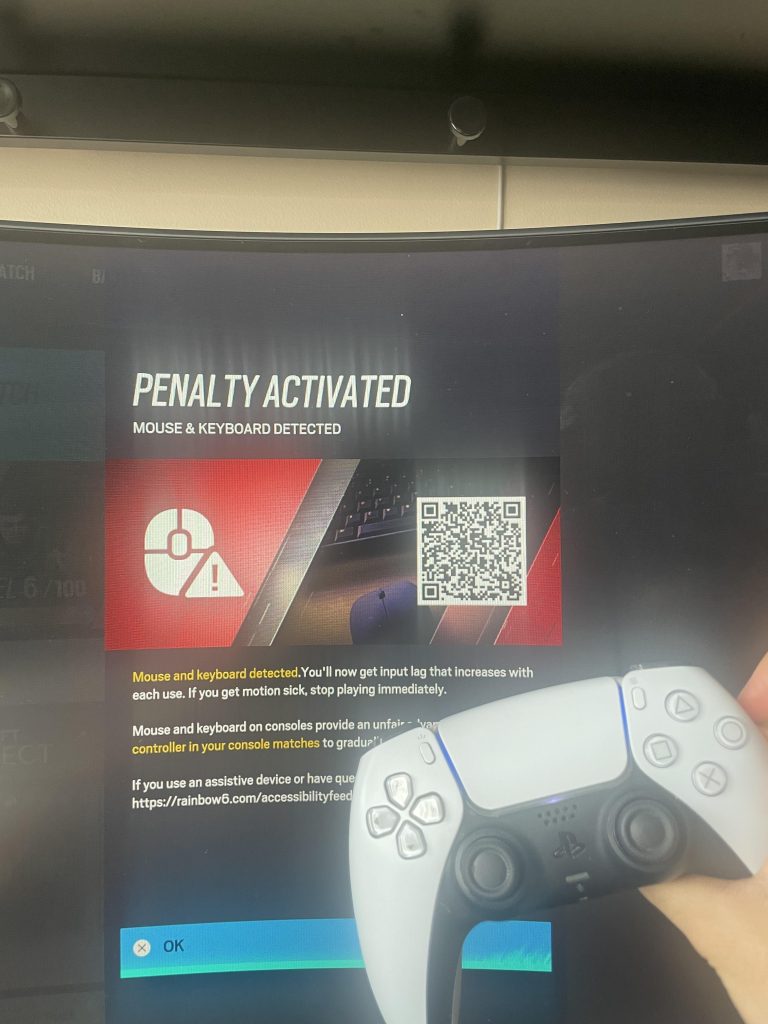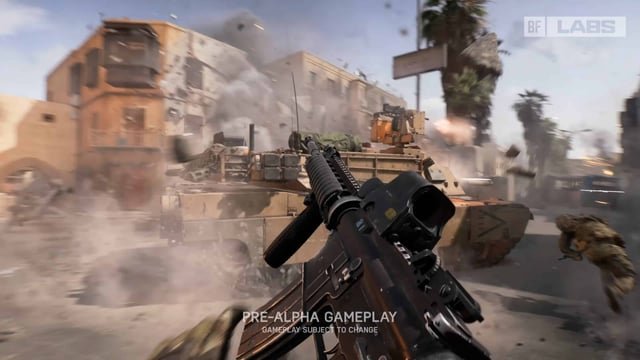
Currently, the community debate suggests aim assist in Battlefield 6 leans toward being too strong, offering an advantage to controller players that some feel diminishes the skill gap.
Battlefield 6 is on the horizon, and the discussions are already heated. A major point of contention amongst players is the effectiveness of aim assist. Is aim assist too strong or too weak in Battlefield 6?
Controller users find it helpful, while mouse and keyboard players often see it as an unfair advantage. This creates a divide in the community regarding balance and fair play.
The final implementation will heavily influence the overall gameplay experience and competitive landscape. Finding the sweet spot is crucial for Battlefield 6’s success.

Is Aim Assist Too Strong or Too Weak in Battlefield 6?
The debate around aim assist in first-person shooters (FPS) is never-ending. Battlefield 6 (or whatever the next Battlefield is called) is no exception. Players frequently question whether aim assist provides an unfair advantage or if it’s a necessary tool for accessibility.
Aim assist is designed to help controller players compete against mouse and keyboard users. But is it balanced? Let’s delve into the intricacies of aim assist and its potential impact on Battlefield 6.
Understanding Aim Assist Mechanics
Aim assist isn’t a single, uniform feature. Instead, it encompasses several subtle adjustments. These adjustments work together to make aiming with a controller more manageable.
Target Acquisition: This helps players find targets more easily. The game might subtly slow down your aim near an enemy.
Aim Smoothing: This reduces jittery movements and makes aiming feel smoother. It can be especially helpful at longer ranges.
Rotational Aim Assist (or Aim Assist Rotation): This subtly rotates your aim towards a target as you move. It’s often the most controversial type of aim assist.
Arguments for Strong Aim Assist
Some players argue that strong aim assist is crucial for controller players to remain competitive. It levels the playing field against the precision of mouse and keyboard. Without it, controller users would be at a significant disadvantage.
Closing the Input Gap: Controllers inherently lack the fine-grained control of a mouse. Aim assist helps bridge this gap, especially in fast-paced combat scenarios.
Accessibility Concerns: Some players require aim assist due to disabilities or limitations. Removing or weakening it would exclude them from the game.
Maintaining Engagement: A more accessible game attracts a wider audience. This wider audience then helps to maintain a healthy player base.
Arguments Against Strong Aim Assist
Others argue that strong aim assist is overpowered and gives controller players an unfair advantage. They believe it reduces the skill ceiling and makes aiming too easy. This diminishes the satisfaction of skillful aiming.
Reduced Skill Gap: When aim assist is too strong, it minimizes the difference between skilled and unskilled players. Less skilled players will be able to land shots they normally couldn’t.
Autonomously Aiming: Some fear that aim assist can effectively “aim for you”. This removes the need for precise aiming and makes the game feel less skill-based.
Competitive Integrity: In competitive modes, aim assist can be particularly problematic. Many argue it should be reduced or even disabled in these modes.
Potential Problems with Weak Aim Assist
Weak aim assist can also be detrimental to the player experience. It can make the game feel frustrating and unrewarding for controller users. This may lead players to quit the game entirely.
Difficulty Tracking Targets: Without sufficient aim assist, tracking moving targets can be extremely difficult. This is especially true at longer ranges.
Increased Frustration: Constantly missing shots due to weak aim assist can be incredibly frustrating. It creates a negative gameplay experience.
Controller Inefficiency: If aim assist is too weak, it negates the benefits of using a controller. Players may feel forced to switch to mouse and keyboard to stay competitive.
Factors Influencing Aim Assist Perception
The perceived strength of aim assist can vary depending on several factors. These include individual skill, game settings, and the specific weapon being used. Understanding these factors is key to a balanced system.
Individual Skill Level: More skilled players are less reliant on aim assist. They may perceive it as stronger than less experienced players do.
Game Settings: Battlefield games often have customizable aim assist settings. Adjusting these settings can significantly impact the feel of the game.
Weapon Types: Different weapons may have different aim assist values. Weapons with high recoil, for example, might benefit from stronger aim assist.
Input Device: The type of controller being used can also affect the perceived strength of aim assist. Some controllers may be more responsive than others.
The Role of Input-Based Matchmaking
Input-based matchmaking can alleviate some of the concerns surrounding aim assist. This system matches players based on their input device (controller or mouse and keyboard). This prevents controller players from being constantly matched against mouse and keyboard users.
Separating Input Methods: Input-based matchmaking creates a fairer playing field for everyone. Controller players primarily face other controller players. Mouse and keyboard users compete against each other.
Reduced Frustration: This system reduces the frustration of being outmatched by players using a different input device. This leads to a more enjoyable experience.
Increased Player Satisfaction: Players feel more confident in their abilities. They know they are competing against others using similar input methods.
Battlefield 6: Potential Aim Assist Implementations
How could aim assist be implemented in Battlefield 6 to strike a balance between fairness and accessibility? Several approaches could be considered.
Customizable Aim Assist Settings: Offering granular control over aim assist settings is essential. Players should be able to adjust the strength of different aim assist features.
Dynamic Aim Assist: Aim assist could dynamically adjust based on the player’s skill level. Less skilled players would receive more assistance, while more skilled players would receive less.
Separate Ranked and Unranked Modes: Different aim assist settings could be used in ranked and unranked modes. Ranked modes could have reduced or disabled aim assist for greater competitive integrity.
Weapon-Specific Adjustments: Aim assist could be adjusted on a per-weapon basis. This could address balance issues with specific weapons.
Analyzing Aim Assist in Previous Battlefield Titles
Examining the aim assist implementations in previous Battlefield games offers valuable insights. It reveals what worked well and what could be improved. This analysis can then inform the design of aim assist in Battlefield 6.
Battlefield V: Battlefield V’s aim assist was often criticized for being too strong. Players complained about aim assist “snapping” to targets.
Battlefield 1: Battlefield 1’s aim assist was generally considered to be more balanced. However, some players still felt it was too forgiving.
Battlefield 4: Battlefield 4 had a more subtle aim assist system. It felt less intrusive but still provided helpful assistance.
The Importance of Player Feedback
Player feedback is crucial in fine-tuning aim assist. Developers should actively solicit feedback from the community. This is important during the game’s beta and after release.
Beta Testing: Open beta tests provide valuable data on aim assist balance. Player feedback from these tests can be used to make adjustments before launch.
Community Forums: Monitoring community forums and social media allows developers to track player sentiment. It allows them to identify any widespread issues with aim assist.
Developer Communication: Developers should communicate openly with the community about aim assist changes. This builds trust and transparency.
Aim Assist and Crossplay
Crossplay between PC and console introduces another layer of complexity. How do you balance aim assist when players are using different input devices on different platforms?
Input-Based Crossplay: One solution is to only enable crossplay between players using the same input device. This would prevent unfair matchups between controller and mouse and keyboard users.
Adjustable Aim Assist for Crossplay: Another approach is to adjust aim assist settings specifically for crossplay matches. This would ensure a fair playing field regardless of the platform.
Opt-In Crossplay: Allowing players to opt-in to crossplay is also an option. This gives them the choice to play against players on other platforms.
The Future of Aim Assist in FPS Games
Aim assist technology is constantly evolving. Future iterations may utilize machine learning or AI to provide more personalized and adaptive assistance.
AI-Powered Aim Assist: AI could be used to analyze a player’s aiming style and adjust aim assist accordingly. This would create a more personalized and effective system.
Dynamic Difficulty Adjustment: Aim assist could dynamically adjust the game’s difficulty. The adjustment depends on the player’s performance.
Personalized Assistance: Players could create customized aim assist profiles. These profiles could be tailored to their individual preferences and playstyles.
Controller Alternatives and Enhancements
Instead of solely relying on aim assist, developers could explore other ways to improve controller aiming. These include implementing advanced controller features or supporting alternative controller options.
Gyro Aiming: Gyro aiming uses the controller’s motion sensors to provide more precise aiming. This can offer a more natural and intuitive aiming experience.
Back Button Attachments: Back button attachments allow players to map additional functions to the back of their controller. This improves controller functionality.
Analog Stick Tension Adjustment: Controllers with adjustable analog stick tension allow players to customize the feel of the sticks.
Aim Assist: The Ongoing Balancing Act
Balancing aim assist is an ongoing challenge for developers. Finding the sweet spot that provides assistance without being overpowered is crucial. Constant evaluation and community feedback are essential to achieving this balance in Battlefield 6.
Continuous Monitoring: Developers should continuously monitor aim assist performance. This includes analyzing player data and tracking community feedback.
Regular Updates: Regular updates and adjustments may be needed to fine-tune aim assist. This ensures it remains balanced over time.
Open Communication: Open communication with the community is paramount. Developers should be transparent about their aim assist decisions.
is aim assist too strong? #battlefield6 #bf6 #battlefield
Final Thoughts
Balancing aim assist in Battlefield 6 is crucial for fair gameplay across platforms. Strong aim assist can create an uneven playing field, favoring controller users over those with mouse and keyboard. This imbalance affects the competitive integrity of the game.
Conversely, weak aim assist can frustrate controller players, making it difficult to compete. Finding the sweet spot requires careful consideration of various factors, including weapon recoil and movement speed. This is a must to provide enjoyable experience.
Ultimately, the answer to the question ‘is aim assist too strong or too weak in Battlefield 6’ hinges on this balance. If aim assist is overly powerful, it needs to be toned down. A refined approach will lead to a more engaging and equitable Battlefield experience for everyone.