
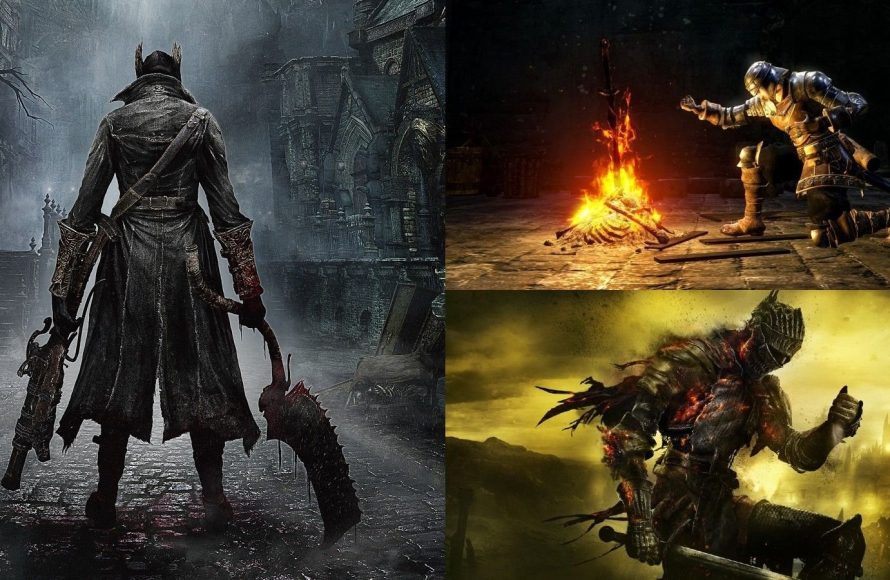
Yes, while not explicitly titled as such, Bloodborne shares core gameplay mechanics and themes with the Dark Souls series, making it a spiritual successor and often considered within the broader “Souls-like” genre.
The question, “is bloodborne a dark souls game,” often sparks debate among fans. Both titles present challenging combat, interconnected level design, and a focus on player skill. Bloodborne introduces a faster pace and unique gothic horror setting.
However, it shares many similar mechanics with Dark Souls, like losing currency upon death and fighting tough bosses. These similarities make it clear why some people consider it part of the broader genre that Dark Souls defined.

Is Bloodborne a Dark Souls Game?
That’s a question many gamers ponder! You see, both Bloodborne and the Dark Souls series are known for being challenging and having a certain gloomy feel, but are they really part of the same family? Let’s dive deep and explore what makes them similar and what sets them apart. We’ll look at gameplay, story, and even the feelings they evoke to figure out if Bloodborne truly earns the title of a Dark Souls game.
Shared DNA: The Core Souls-Like Experience
Okay, let’s start with what makes Bloodborne feel familiar to Dark Souls fans. Both games fall under a genre often called “Souls-like”. This means they share some important things. Think of it like sharing family traits. Here are some of those key “family” resemblances:
The Grueling Combat System
First and foremost, the combat in both is tough! You can’t just run in and mash buttons. You need to be careful, learn your enemy’s attacks, and figure out the best time to strike. It’s about patience and timing. Just like in Dark Souls, in Bloodborne if you get too greedy, you’ll probably get punished. The stakes are high, and death is a teacher. Each mistake pushes you to learn, adapt, and improve your playstyle. You have to think strategically, making each victory feel incredibly rewarding.
- Deliberate Movement: You can’t easily dodge everything. Your movements are purposeful, every action carries weight.
- Stamina Management: Every action takes stamina. You must pay close attention to this, because if you run out, you can’t attack or dodge.
- Punishing Difficulty: Death is frequent, but each death provides valuable insight into enemy patterns and level layouts.
The Level Design
Another shared feature is the amazing level designs. Both series present interconnected worlds, which means that areas are connected to each other, almost like a big puzzle. You’ll find shortcuts, hidden paths, and areas that loop back on themselves. This encourages exploration and makes the world feel more cohesive and detailed. It’s satisfying to finally reach a new area or open up a shortcut that saves you from traveling through dangerous territory again.
- Interconnected World: Areas are linked, creating a sense of exploration and discovery.
- Hidden Pathways: Secret paths lead to valuable items and shortcuts.
- Verticality and Complexity: Levels are layered and multi-dimensional.
The Lore and Atmosphere
The stories in Dark Souls and Bloodborne are not told in the typical way. There aren’t many cut scenes explaining everything. Instead, you’ll piece together the story by reading item descriptions, listening to the little conversations with characters, and through the design of the game world. This unique way of storytelling makes you think and use your imagination. The atmosphere is another connection. Both games have a dark, gloomy, and sometimes scary feel to them. There’s a constant sense of unease and tension that keeps you on the edge of your seat.
- Environmental Storytelling: The world and its details tell the story.
- Cryptic Narrative: Lore is revealed through exploration and item descriptions.
- Dark and Moody: Both games have a somber and eerie ambiance.
The Sense of Accomplishment
Finally, a key element that Bloodborne takes from Dark Souls is the feeling you get after overcoming a huge challenge. When you finally beat that tough boss or get through a really difficult area, it is truly rewarding. It feels like you’ve really worked for it, and you deserve the victory. This shared focus on overcoming adversity is a hallmark of the Souls-like experience, making the journey as meaningful as the destination.
Divergences: Bloodborne’s Unique Identity
While Bloodborne shares the core DNA of a Souls-like game, it also takes its own direction. These differences are more than skin deep and greatly impact the play experience. Let’s explore how Bloodborne carves its own unique path.
A Different Kind of Combat
The combat in Bloodborne is different from Dark Souls in a big way. Dark Souls is about using shields and blocking and slowly chipping away at the enemy’s health. On the other hand Bloodborne is more focused on speed and aggression. You have a gun but it’s mostly used for parrying and stunning enemies, not for dealing damage. In Bloodborne you’re always meant to be moving, dodging, and attacking. The game encourages you to take risks, not hide behind a shield. This makes the game fast-paced and thrilling.
The Emphasis on Offense
- Faster Paced: Combat is quicker and more aggressive.
- Limited Shielding: Shields are largely absent, forcing players to rely on dodging and parrying.
- Regain System: The mechanic allows you to recover health by attacking after taking damage.
A Shift in Aesthetic and Setting
While Dark Souls leans into the fantasy medieval world with knights and dragons. Bloodborne takes a different path. It’s set in a Victorian era city, called Yharnam, which is inspired by gothic and Lovecraftian horror. The enemies are not the typical knights or dragons that you usually see in Dark Souls. The monsters in Bloodborne are creepy, grotesque, and often inspired by creatures in horror stories. This difference in style creates a very different kind of fear and atmosphere.
Gothic Horror Inspiration
- Victorian Setting: The game is set in a dark and detailed Victorian city.
- Lovecraftian Horrors: Enemies and lore draw from cosmic horror.
- Unique Visual Style: A blend of gothic and horror elements.
Transformation and Weapons
Bloodborne features weapons that transform into different forms, meaning that your weapon can change during a fight. These transformations add more depth and versatility to combat because every weapon now has two ways to attack. Each form is unique, requiring players to learn multiple move sets for each weapon. In contrast, weapons in Dark Souls usually maintain a single form and moveset. Bloodborne’s weapons are a big part of the game’s identity. This added layer of complexity is something Dark Souls does not have.
Unique Weapon Mechanics
- Transforming Weapons: Weapons can change forms mid-combat.
- Dual Movesets: Each form has its own distinct attack style.
- Increased Customization: Allows for diverse playstyles.
The Story’s Focus
While both have cryptic storytelling, Bloodborne’s narrative is more focused. The story of Dark Souls is about the fate of the world and the cycle of fire. Whereas Bloodborne’s story is more about the city of Yharnam, the hunt, and the terrible secrets the city holds. The story in Bloodborne is a bit more personal and engaging than in Dark Souls. It is more about the player’s direct impact on the game world. This different focus adds a layer of intrigue and emotional investment for the player.
A More Intimate Narrative
- More Focused Plot: The story revolves around Yharnam and the hunt.
- Personal Stakes: The player’s role is more central to the narrative.
- Themes of Cosmic Horror: Deals with themes of hidden truths and madness.
The Verdict: More a Sibling Than a Twin
So, is Bloodborne a Dark Souls game? Not exactly. It shares a lot of important traits with Dark Souls, such as the punishing difficulty, interconnected world, and cryptic story. But, it also has its own unique things, like the fast-paced combat, Victorian setting, transforming weapons, and a more direct storyline. Because of all the differences, it’s more accurate to say that Bloodborne is a “cousin” or a “sibling” to Dark Souls, not a direct sequel or part of the series itself. They belong to the same family, but they are very different individuals. They share a lot of things, but each one offers a unique experience that’s worth exploring.
Both games offer great and similar experiences for players that like challenging gameplay with a lot of depth and exploration. Whether you prefer the deliberate and methodical approach of Dark Souls or the aggressive, fast paced gameplay of Bloodborne, both titles provide a very memorable experience. So, if you are a fan of Dark Souls, you will likely enjoy Bloodborne, and vice-versa, even though they each have their own style and personality.
Ultimately, regardless of how you classify it, Bloodborne stands tall as one of the best and most memorable games ever made. Its unique blend of action, horror, and challenge creates an experience that lingers long after you finish the game. It is definitely worth your time, especially if you like challenging and thought provoking games.
Elden Ring Is A Prequel to Dark Souls and Bloodborne #shorts
Final Thoughts
Bloodborne shares many core elements with Dark Souls, like challenging combat and a focus on exploration. The interconnected world and the weighty atmosphere also feels familiar. However, Bloodborne features a faster, more aggressive combat system. This gameplay difference is a key departure from typical Souls formula.
Thus, the question, ‘is bloodborne a dark souls game’, becomes complicated. It is not directly a Dark Souls game, because it is its own entity. Despite this, it contains numerous elements which are certainly a core of a Souls-like experience, and this is a must for many players.

