
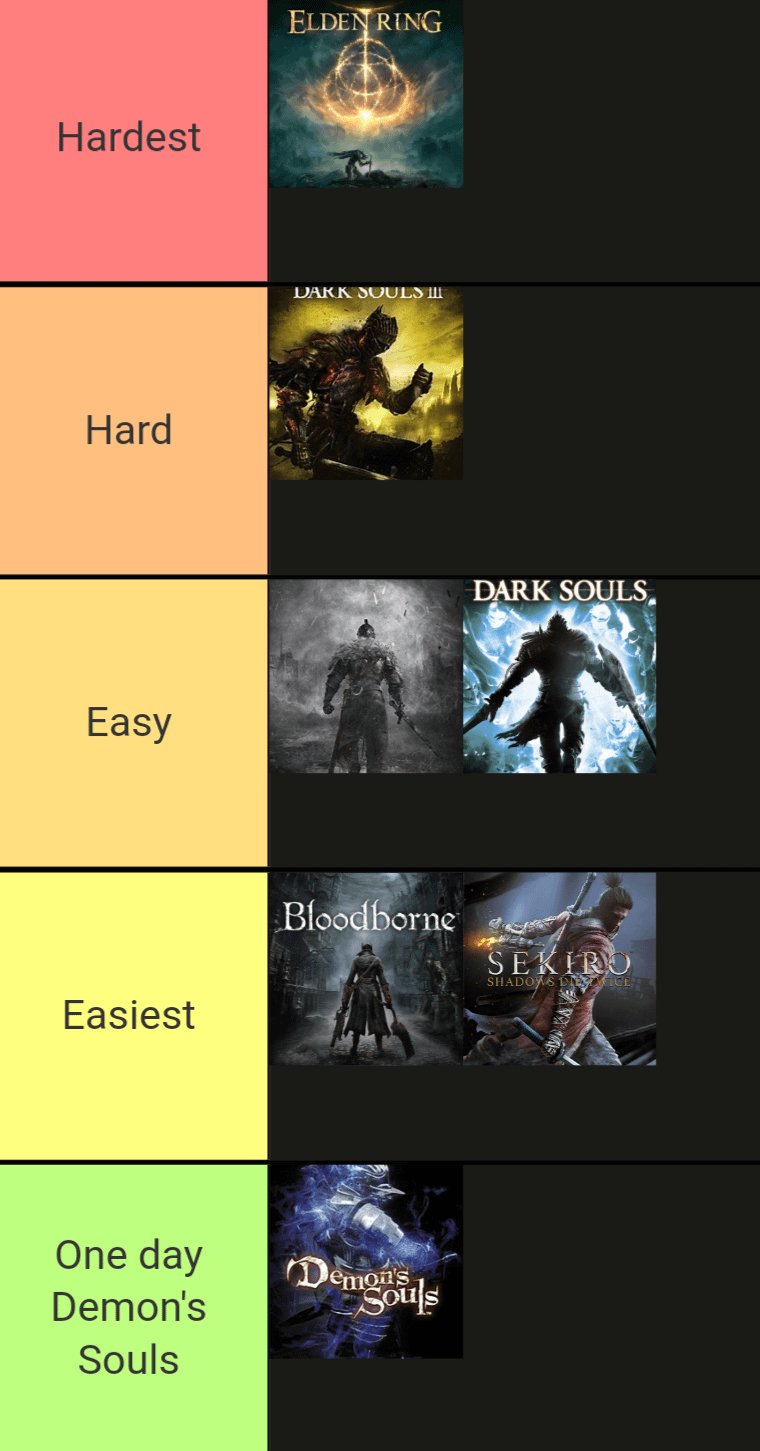
Bloodborne’s difficulty is subjective; it’s often considered among the most challenging, but not definitively the hardest Souls game for all players.
The question, “is bloodborne the hardest souls game?” sparks fierce debate among fans. Some players find its aggressive combat and faster pace more punishing than other titles. The focus on dodging and parrying demands precision, creating a unique hurdle. Conversely, others adapt well to its distinct style. Individual experiences vary greatly across these intense games.

Is Bloodborne the Hardest Souls Game?
The debate rages on among fans of the FromSoftware action role-playing games: which is the toughest? While many contenders vie for the crown, Bloodborne often finds itself at the center of the discussion. Its gothic world, fast-paced combat, and challenging bosses make it a truly memorable, and sometimes frustrating, experience. So, let’s dive deep and see what makes some people say Bloodborne is the king of difficulty.
A Shift in Combat: Aggression is Key
Unlike Dark Souls, where a defensive strategy of blocking with a shield is a viable (and often preferred) tactic, Bloodborne pushes players to be aggressive. Shields are mostly absent; instead, you get a firearm meant for parrying and interrupting enemy attacks. This difference in core mechanics forces a big change in how you approach fights. It’s no longer about patiently waiting for openings; it’s about creating them.
The Rally System: Risk and Reward
A key feature of Bloodborne is the rally system. When you take damage, you have a short window to regain some of that health by attacking enemies. This encourages a proactive, almost reckless style of play. The risk is high because you might get hit again, but the reward is valuable as it prevents the use of healing items and keeps the action flowing. This feature is not present in all the other souls games, that’s what sets Bloodborne aside.
Faster Pace, More Punishment
Enemies in Bloodborne are significantly faster and more relentless than in Dark Souls. They don’t just swing at you slowly; they lunge, they jump, and they often attack in groups. This speed requires players to have quick reflexes and make split-second decisions. Hesitation can often lead to a swift and brutal death. Compare this to the slower, more methodical combat of Dark Souls, and the difference in pace is very noticeable.
The Horrors of Yharnam: Enemy Variety and Design
Yharnam, the city in Bloodborne, is a terrifying place filled with horrific creatures. From the common townsfolk transformed into beasts to grotesque abominations lurking in the shadows, the enemy design is both fascinating and frightening. The enemies are not only visually intimidating, but also pack a serious punch.
Unpredictable Attacks
Many enemies in Bloodborne have unpredictable attack patterns. This means you cannot just memorize a sequence of movements. You have to constantly pay attention and adapt to what the enemy is doing. The beasts can change their behavior during a fight, making it difficult to form a solid strategy based on pattern recognition. It keeps the players at the edge of their seats, forcing them to use every trick in their arsenal to win a fight.
Aggressive Hunter Enemies
Unlike other Souls games, you will often fight hunter enemies who are just as agile and skilled as you are. These fights are often intense and challenging because the Hunters use the same tools and tricks as the players. It’s almost like fighting another player but with an AI advantage.
Boss Battles: A True Test of Skill
Bloodborne is known for its incredibly difficult and memorable boss battles. These fights require players to understand the boss’s attacks, learn their weaknesses, and implement their skills. A lot of players mention that the boss fights of the bloodborne make the game harder to play than any other souls games.
Relentless Attacks and Aggression
Many Bloodborne bosses are incredibly aggressive, leaving little room for mistakes. They don’t stop attacking, they have large health pools, and they often have multiple phases with different attack patterns. This pressure can lead to panic, and when you panic, mistakes are easy to make.
Unconventional Boss Design
The bosses in Bloodborne are not always huge, hulking giants that you can slowly chip away at. Instead, they often demand creative strategies and a good understanding of the game mechanics. For example, some boss battles are more about managing spacing and timing rather than just throwing attacks and hope for the best.
Examples of Formidable Foes:
- Father Gascoigne: A hunter turned beast, who pushes new players to learn the game’s mechanics early on.
- Martyr Logarius: A tough boss with aggressive attacks and tricky timing.
- Lady Maria of the Astral Clocktower: An agile and deadly hunter boss known for her graceful yet deadly fighting style
- Orphan of Kos: Considered by many to be one of the hardest bosses in any Souls-like game, due to its fast movements and unpredictable attacks.
Boss Arenas and Environments
The arena’s where you fight bosses also add to the overall difficulty of the game. Some are small and cramped, while others are large, open spaces that require you to manage your position carefully. The environment in the boss fights also creates an element of unexpected situations and adds to the overall challenge. For instance, fighting rom the vacuous spider under the moon makes it that much more challenging for the players to survive the boss fight.
A Lack of Safety Nets: Fewer Healing Options
In Dark Souls, you have the Estus Flask, which refills at bonfires. Bloodborne uses Blood Vials, which are consumable items that you must collect, making healing less readily available and more strategic. The limited resource makes every injury more impactful.
Farming Blood Vials
Because Blood Vials are consumables, you have to spend time farming to replenish your stock if you’re struggling. This can interrupt the flow of the game, and add to the frustration that some players face while playing the game. Having to go through the tedious process of farming just to take another shot at the boss isn’t the fun that players signed up for.
The Impact on Aggression
Because of the limitations on healing, you are even more compelled to play aggressively using the rally system. The lack of consistent healing options adds more importance to offensive play and taking chances when you get hit. A more timid player may find it even harder to beat the game.
The Importance of Understanding the Game Mechanics
While all souls games are difficult, many feel that Bloodborne has a steeper learning curve. The game does not hold your hand and does little to explain its mechanics. It is upto the players to find the strategies that work for them and adapt to the playstyle the game requires from you.
The Need to Master the Parrying
The pistol parrying in Bloodborne is difficult to master, but it is essential to take down certain bosses. Many people find the timing to be difficult compared to the parrying system in Dark Souls. This is another skill the game requires from you, and makes it difficult for new players.
Weapon Upgrades and Blood Gems
Upgrading weapons in Bloodborne requires a different approach than in Dark Souls. Blood Gems provide powerful boosts to weapons, and knowing how to use them can make a big difference in how hard or easy the game is. This also is a level of mechanics that the player has to understand before they start seeing results in their battles.
Chalice Dungeons: An Extra Layer of Challenge
Chalice Dungeons are optional, procedurally generated dungeons that offer new challenges and powerful loot. These dungeons can be very hard, particularly the later depth dungeons, and require players to test their skills against new enemy types and layouts. These aren’t required to finish the game, but provide a good challenge for those who want to take on them.
Subjectivity in Difficulty: It’s a Matter of Perspective
Ultimately, whether Bloodborne is the most difficult Souls game is subjective and depends on each individual player’s preferences and playstyle. Some players find the fast-paced combat very easy and natural, and see the methodical approach of Dark Souls as a harder approach. Others might find the aggression of the beasts hard to handle, and prefer the slower battles of other Souls titles.
Playstyle and Preferences
If a player likes a more offensive playstyle, then Bloodborne is a perfect fit for them. On the other hand, players who are used to a more defensive approach might struggle with the game’s mechanics, which can make the game harder for them to play through.
Previous Experience with Souls Games
Your experience with other Souls games will also affect how you view the difficulty of Bloodborne. Players who are used to the Souls combat may have an easier time. But the lack of shields and slow approach may cause them to struggle with how fast-paced the game is.
Individual Strengths and Weaknesses
Some players are naturally better at dodging and timing attacks. Others are better at reading enemy patterns and using the right tools for the job. Your own strengths and weaknesses will definitely determine how hard you find the game to play through.
Why Some Players Might Find Other Games Harder
While many consider Bloodborne to be the most challenging, other Souls games also have their own unique challenges. Some players may find Dark Souls more difficult because of its intricate level design and emphasis on exploration.
The Complexity of Dark Souls Level Design
Dark Souls is known for its interlocking level design, where shortcuts and hidden paths create an interconnected world. Getting lost and not knowing where to go can be difficult for some players. Some say this is harder to play through than the simple layout of Bloodborne.
The Emphasis on Exploration
Players in Dark Souls are encouraged to explore every nook and cranny of the world. This often leads to encountering challenging enemies that you are not prepared for. The game encourages the players to take their time, and it does get difficult if they rush through.
The Variety of Builds in Dark Souls
Dark Souls offers many different weapon types and builds, which can be both a strength and a weakness. Some may find the wide range of choices difficult to handle. Having too many choices can often get the players confused and some may find that to be the difficult part of the game.
Here’s a table summarizing some of the key differences that affect difficulty:
| Feature | Bloodborne | Dark Souls |
|---|---|---|
| Combat Speed | Fast-paced and aggressive | Slower and more methodical |
| Shields | Limited availability | Prominent and effective |
| Healing | Consumable Blood Vials | Refillable Estus Flask |
| Rally System | Present | Absent |
| Enemy Design | Fast and aggressive beasts | Slower but varied enemies |
It’s also worth mentioning that games like Sekiro: Shadows Die Twice and Elden Ring present their own unique challenges. Sekiro’s focus on parrying and posture breaks offers an entirely different combat system to learn, while Elden Ring’s open world can feel overwhelming for new players.
So, is Bloodborne the hardest? It depends on who you ask. It’s a challenging, rewarding experience that pushes players to their limits, and its unique approach to combat makes it a strong contender for the toughest Souls game. Ultimately, the ‘hardest’ Souls game is a matter of personal experience and preference.
Bloodborne Is the Most Difficult Game I've Ever Played – What About You?
Final Thoughts
Bloodborne’s aggressive combat, fast-paced enemies, and limited healing make it a tough experience. The game demands precise timing and quick reflexes. Players often find its gothic world beautiful but brutal.
Many consider is bloodborne the hardest souls game due to its unique difficulty. While other Souls titles present challenges, Bloodborne’s design emphasizes aggression. Therefore, the answer to this remains subjective to individual player experience.

