
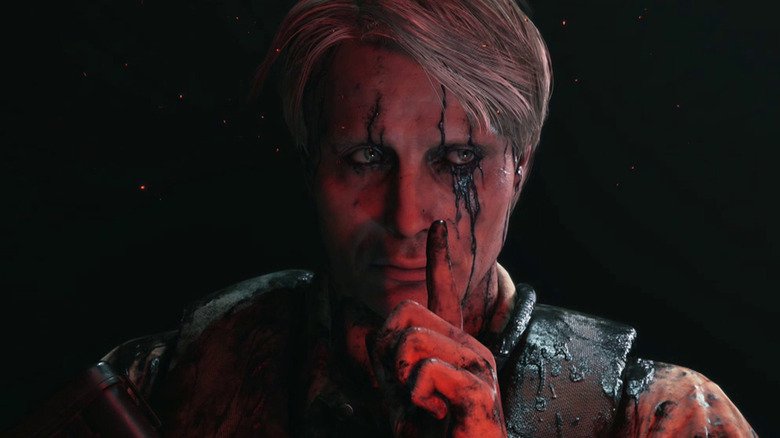
No, while Death Stranding features unsettling elements, it’s not primarily a horror game.
Is Death Stranding a horror game? That’s a question many ponder given its eerie atmosphere and encounters with BTs. The game certainly presents moments of suspense and dread. Players navigate a desolate world filled with frightening creatures and unsettling environments.
However, Death Stranding focuses more on themes of connection, isolation, and rebuilding society. These aspects are the core of the game. While it has horror aspects, it uses them more for atmosphere than genuine scares.

Is Death Stranding a Horror Game?
The question of whether Death Stranding fits into the horror genre is a tricky one. It doesn’t have jump scares popping out at you every few minutes, nor does it rely on buckets of blood. Instead, it creates a creeping sense of unease, a world where isolation and the unknown are the real monsters. Think of it like this, while it’s not your typical “run and scream” kind of horror, it definitely plays with your mind in some very unsettling ways. Let’s dive deeper into why this game makes people question its genre, and what elements make it feel scary.
The Atmosphere of Dread: Setting the Stage for Unease
Death Stranding’s world is a far cry from bright, cheerful landscapes. It’s a post-apocalyptic United States, ravaged by a mysterious event called the Death Stranding. This event has created ghostly, invisible creatures called BTs (Beached Things) that roam the land. The world is mostly desolate, with ruins of the old world scattered around. Here’s how this environment contributes to the game’s unsettling feel:
- Empty Landscapes: Walking through empty plains and rocky mountains with only the sound of the wind and your character’s breathing can create a lonely, isolating experience. This isolation itself can be quite unsettling.
- Timefall: This special rain causes whatever it touches to rapidly age, which makes for some seriously spooky visual effects. Seeing the world get old and decayed right before your eyes is very disturbing.
- BT Encounters: The BTs are not your typical video game enemies. They’re invisible, only becoming visible when you’re close, and they pull you into a terrifying oily abyss if they catch you. The sound design around BT encounters is particularly effective, creating a feeling of dread and panic.
- The Music: The soundtrack, while often beautiful, is also used to create tension. When BTs are around, the music becomes low, rumbling, and unsettling, letting you know something bad is about to happen.
These elements create an atmosphere of constant tension, a feeling that something bad could happen at any moment. It’s this feeling, more than jump scares, that brings a horror aspect to Death Stranding.
The BTs: Invisible Terrors
Let’s talk more about BTs, because these creatures are a key reason why Death Stranding can feel like a horror game. These aren’t zombies or monsters you can just blast away with guns. BTs are ghostly apparitions, and dealing with them requires stealth, patience, and a good dose of anxiety.
Here’s how BTs add to the horror experience:
- Invisible Threat: The fact that BTs are mostly invisible is terrifying. You have to use your Odradek scanner to see their outlines, creating a sense of paranoia as you navigate the world. You never know exactly where they are, and that fear of the unknown is a classic horror trope.
- Sound Design: The sounds that the BTs make – low moans, growls, and creepy clicking – are incredibly unnerving. The audio cues create this constant sense of dread, letting you know they’re lurking near, even if you can’t see them.
- Catching You: If BTs manage to grab you, you’re pulled into a tar-like substance, and a huge, more powerful BT emerges. This is an intense, fast-paced sequence that can scare you, especially if it catches you off-guard.
- Unique Mechanics: You must use special items like hematic grenades to fight back against BTs, creating a survival-horror type gameplay where you need to conserve resources and make each item count.
More than Just Jump Scares: Psychological Horror
Death Stranding’s horror elements go beyond just the physical threats of BTs and the desolate world. The game delves into the mind, playing with your emotions and sense of sanity. This type of horror is often more effective than jump scares because it gets under your skin.
Here are ways the game uses psychological horror:
- Isolation and Loneliness: As Sam, you spend most of your time alone, trekking across vast distances with only the weight of your cargo. This isolation can be crushing and is a core part of the game’s unsettling atmosphere. The feeling of being completely on your own makes you feel vulnerable and exposed.
- The Weight of Responsibility: You’re tasked with connecting the isolated cities of America, carrying vital cargo. The responsibility of delivering these precious goods is a heavy burden, and the fear of failure or losing cargo can create anxiety. It makes you feel like your mistakes have real consequences.
- The Unexplained: The game throws a lot at you early on, and many of the strange events that happen remain unexplained for a long time. This mystery creates a sense of unease and makes you constantly question what you know about the world. It makes you want to know more, but the answers may not always be comfortable.
- The Story’s Dark Themes: The narrative explores themes of death, isolation, and the meaning of connection. These darker themes add to the game’s overall unsettling tone. You’re not just playing a game, but you’re experiencing a story that can be quite thought-provoking.
Survival Elements: Adding to the Stress
Death Stranding isn’t just about delivering packages. It also has survival elements that add another layer to the tension. Managing your equipment, health, and stamina can create situations that feel genuinely terrifying.
Here’s how these elements add to the tense gameplay:
- Cargo Management: You need to be very careful about how you carry your cargo because if it gets damaged or lost, you will fail your delivery. This can be a very stressful task when you are facing BT encounters or traversing rough terrain.
- Stamina Management: Your stamina drains as you walk and climb, so you have to plan your route and pace yourself carefully. This means if you need to sprint away from BTs, you might not have enough energy, which is a very terrifying situation.
- Terrain: Traversing mountains, rivers, and other challenging terrains can make simple tasks very difficult. The fear of falling off a cliff or being swept away by a river can add to the overall tense feeling.
- Resource Management: You need to find and craft items for different purposes, and if you are out of resources, you may face a lot of problems. You may need to find items or materials in order to get out of difficult situations.
Not a “Traditional” Horror Game: Why It’s Debatable
While Death Stranding has many horror elements, it’s not a traditional horror game like Resident Evil or Silent Hill. Here’s why the argument for it being a horror game is often debated:
- Focus on Delivery: The main gameplay loop revolves around delivering packages and building connections. It’s not always about combat and survival. Many consider it a ‘walking simulator’ where the story is the driving force.
- Lack of Jumpscares: Unlike most horror games, it doesn’t use jump scares very much, instead focusing on slow burn tension. This means it might not feel ‘scary’ in the same way as other games.
- The Narrative Emphasis: The game puts a heavy emphasis on its narrative and themes. The horror elements are there to enhance the story, not be the sole purpose of the game.
- Unique Gameplay: Its unique gameplay mechanics often are more about resource management and planning than traditional survival horror elements. The focus on deliveries can feel like work to some, which isn’t the usual aim of the horror genre.
The “Strand” Genre: A New Way to Think About Horror
Death Stranding can be considered part of a new kind of genre, something called “Strand” games, which focuses on connection and collaboration. This game takes elements from different genres, including horror. So, while it may not be a horror game in a traditional way, it uses horror elements to enhance its unique experience. Think of it as a game that uses horror, rather than being a horror game itself.
In this sense, Death Stranding uses horror elements to:
- Enhance the Theme of Isolation: The scary atmosphere helps to highlight how isolated and alone Sam is on his journey. This makes connecting with other players a more meaningful experience.
- Create Tension: The constant threat of BTs keeps you on edge, forcing you to be cautious and strategic in your travels. This makes deliveries feel more dangerous and significant.
- Add Depth to the Narrative: The unsettling imagery and strange events create a world that feels mysterious and interesting, which makes you want to learn more about the lore and story.
Subjectivity of Horror: What Scares One Person May Not Scare Another
Ultimately, whether or not Death Stranding is a horror game can depend on the player. What one person finds scary, another person might not even find unsettling. It really comes down to your perception of the world, its atmosphere, and the emotions it evokes in you.
For some, the feeling of isolation and the constant threat of BTs will make it feel like a scary experience. The unique mix of psychological horror and survival elements may be disturbing, and the constant presence of death in the game world can create a sense of unease. For others, the focus on delivery, the narrative emphasis, and the absence of jump scares will not feel like they are playing a horror game.
Key Elements and Their Relationship With Horror Genre
Let’s summarize some of the main elements and how they link back to the horror genre. Here’s a quick table to see the horror aspects:
| Element | How it Links to Horror |
|---|---|
| Desolate world | Creates an atmosphere of isolation and vulnerability, a classic horror theme. |
| BT encounters | Utilizes invisible threats, unsettling audio, and stressful chase sequences to invoke fear. |
| Psychological elements | Focuses on isolation, responsibility, and unexplained events to create psychological unease. |
| Survival mechanics | Adds tension by requiring resource management, stamina control, and careful traversal of challenging terrain. |
This table helps illustrate that the game is intentionally creating horror-like moments, even if it does not intend to be a full-on horror game.
So, is Death Stranding a horror game? It depends on your perspective. While it may not be a traditional horror experience, it certainly borrows from the genre. The game creates a feeling of unease, tension, and dread through its atmosphere, creatures, and gameplay. It’s an experience that can definitely be scary, if not directly terrifying. Death Stranding plays with your mind in many ways and it is a game that stays with you even after you have finished playing it.
Death Stranding Is "NOT" a horror game.
Final Thoughts
Death Stranding teeters on the edge of horror, employing unsettling imagery and isolating environments. The BTs provide jump scares, but the main feeling comes from a pervasive dread and vulnerability. These moments create tension.
Is death stranding a horror game? It’s not a classic horror title, but the game embraces elements. This game’s atmosphere leans heavily into the unsettling. Ultimately, it’s best described as a very atmospheric experience with horror elements.

