
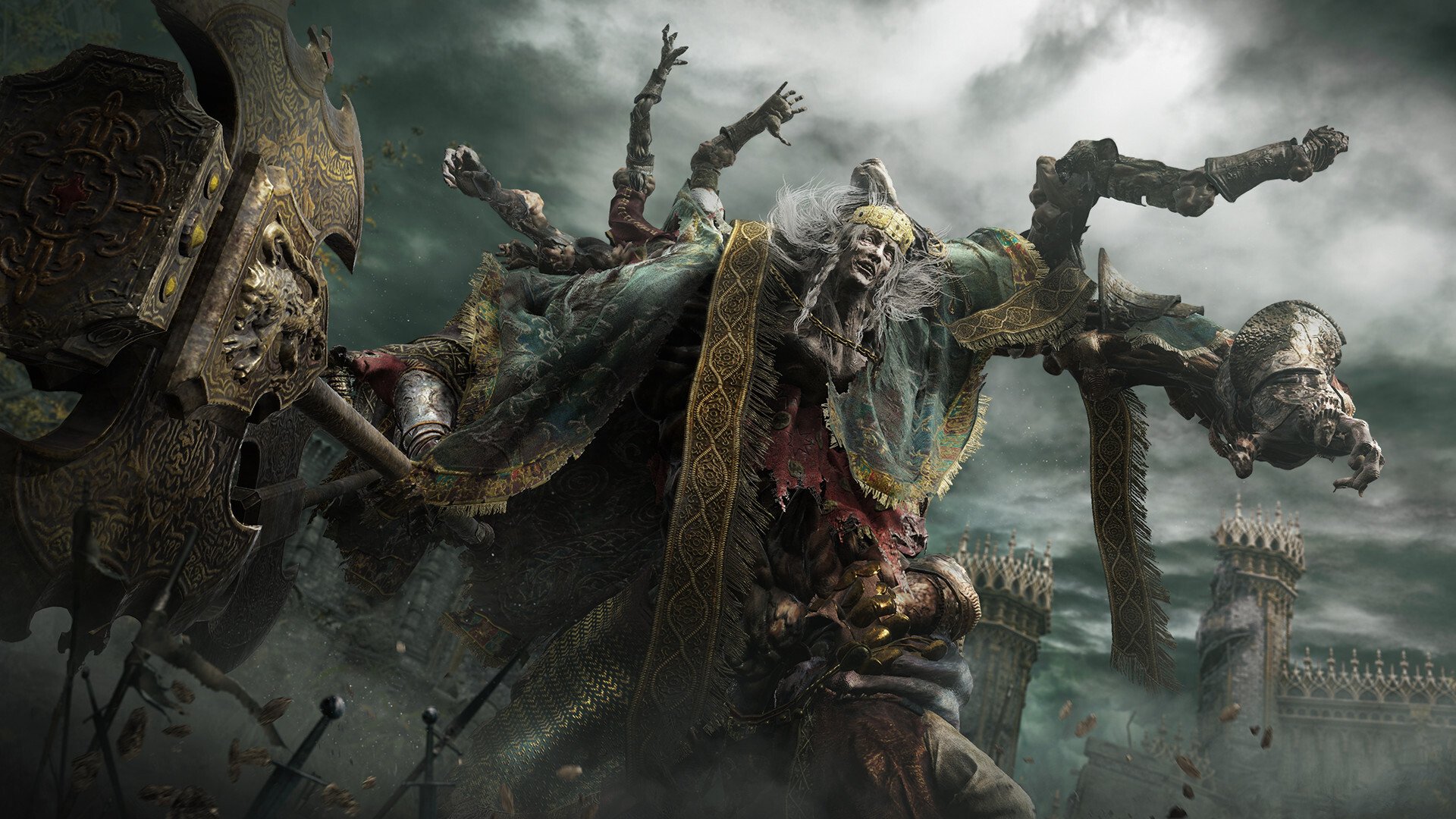
Elden Ring does offer a story, though it’s presented in a fragmented and environmental way, not through traditional cutscenes or dialogue-heavy narratives.
Many players wonder, is elden ring a story game? It certainly feels different from many other games. The narrative unfolds gradually as you explore the Lands Between. You piece together lore from item descriptions and character interactions, not just through direct exposition.
The game’s storytelling emphasizes world-building. You actively investigate the history of this shattered world through your journey. This creates a unique narrative experience where the player must participate.

Is Elden Ring a Story Game?
That’s a big question many gamers have when they first think about diving into the Lands Between. Elden Ring is famous for its huge world, tough fights, and a lot of secrets. But is it really a story game in the same way as, say, a big adventure game with lots of talking characters? Let’s dig in and find out what makes Elden Ring tick when it comes to its story and storytelling.
The Story is There, But It’s Told Differently
Elden Ring doesn’t just hand you a story on a silver platter. It’s not like a movie where everything is laid out for you. Instead, the story is woven into the world, its characters, and the items you find. This means you have to work a bit to piece the story together. Some players love this, others find it a little confusing at first.
Environmental Storytelling
Think of it like a giant puzzle. You walk into a ruined castle, and you might see broken statues, battle scars, and old banners. These things tell you about what happened there a long, long time ago. The way the world looks, the placement of things, all whisper parts of the story. Even just the strange shapes of the buildings can give you clues about the past. The game uses the environment to tell its story. You’re not just moving from one place to another; you are uncovering history with every step.
- Ruined buildings show past battles.
- Statues and carvings tell you about important people and events.
- Different areas have a unique style that helps you understand their purpose and history.
Item Descriptions: Hidden Lore
Pay close attention to what items you pick up. Every sword, every piece of armor, every little flower has a description, and these descriptions often hold hidden story details. A simple ring might describe a forgotten king, or a piece of armor could give you hints about a hero who fell in battle. It’s like the game is leaving breadcrumbs of story for you to find. This encourages you to really look at everything you collect. Players who like to dig deep into the lore can spend hours reading and theorizing based on these details. Item descriptions aren’t just stats, they are little stories waiting to be read.
- Weapon descriptions reveal their past owners or their powers.
- Armor tells stories of past battles and people who wore them.
- Even simple items can hold clues about the world.
Characters and Their Quests
While Elden Ring might not have long cutscenes with characters chatting for hours, it has a unique cast of interesting people. These characters often have their own motivations and desires. It’s up to you to decide if you want to get involved in their stories. Some might be helpful, and some might be dangerous. They’re not just background dressing; they are part of the world’s story.
Unconventional Storytelling
The way these stories unfold is often not straightforward. You might meet someone, get a brief quest, and then not see them again for a while. Then, you might stumble upon them in a completely new place, with their story having progressed, often in surprising ways. The story is given in small chunks, often across great distances, making the world feel alive and full of secrets. You have to pay attention and piece together what’s going on. It’s not a simple “go here, do this.” The story unfolds based on where you decide to go and who you choose to help (or ignore).
NPCs and Their Motives
The non-playable characters (NPCs) of Elden Ring are not simply there to give you a mission. They have their own goals and backgrounds. They each play a part in the world’s story. Some characters have very tragic stories, while others are trying to become powerful. As you talk to them, you’ll begin to realize they have goals of their own. These aren’t always clear from the beginning, so it takes interaction and sometimes a bit of detective work. These characters are central to the narrative, even if they don’t always have direct dialogues.
- Some characters might seem friendly but have hidden agendas.
- Others might be in need of help but not be able to ask directly.
- Following their stories often requires finding them in new locations.
The Main Plot: A Broken World to Fix
Okay, so we’ve talked about the world and the characters, but what about the main story? The basic idea is that you are a Tarnished, a warrior who has come to the Lands Between to become the Elden Lord. The Elden Ring, the source of power and order, has been shattered. It’s your job to fix it, by gathering the Great Runes. This isn’t a happy, fun adventure. The world is broken, the people are hurting, and many are corrupted by the shattered ring. The game does not always make it super clear where to go and what to do next, which is part of its appeal for some players.
The Great Runes and Their Holders
To become Elden Lord, you need to collect the Great Runes. These are pieces of the shattered Elden Ring. They are held by powerful demigods, and defeating them is a big part of the game. Each of these demigods has their own background and story, and understanding why they hold the runes is important for the overall story. These fights are not just boss battles; they’re battles against those who have reshaped the world. The game places these bosses and their stories as central to your progress, but also you can uncover their hidden past by exploring or getting more information.
Choices and Multiple Endings
What you do and who you help can change the ending of the game. There are a few different endings you can achieve, based on the choices you make during the story. This adds to the idea that you are in control of the narrative. Your decisions matter. Some endings might seem happier than others, but the game never really paints a picture that is completely good or bad. Your character, the Tarnished, can greatly influence the future of the Lands Between.
- Multiple endings reward replayability.
- Your interactions and decisions change the future of the world.
- The game encourages you to consider the consequences of your choices.
A Different Way to Tell a Story
Elden Ring does not fit neatly into one box. It’s not just an action game, and it’s also not a traditional story game with long cutscenes and hours of exposition. It’s somewhere in the middle. It uses its world, its characters, and its items to create a story that is not pushed onto you; instead, it’s something you discover. This makes it really engaging for many people who enjoy being involved in how the story unfolds. You have to be willing to look for the story, to read carefully and be observant. If you do, you will get a very satisfying experience.
The Power of Interpretation
A big part of the fun with Elden Ring’s story is interpreting what you find. The game gives you the pieces, and you put them together. Some things are clear, but other things are left for you to figure out. This can lead to great discussions among players as they share what they have discovered and how they see the world. Your own way of understanding the world is what makes it interesting. The game rewards curiosity and encourages players to think about the deeper meaning behind things.
Not Just a Fight Fest
Sure, there are plenty of tough battles in Elden Ring, and yes, fighting is a huge part of the game. However, these fights are not only for the sake of fighting. They are often tied to the story. Each boss has a background. Each of them hold a key to progress the story. Understanding their motivations and history will make those fights mean more than just a struggle to survive. The fights are connected to the game’s story in a meaningful way.
So, is Elden Ring a story game? The answer isn’t a simple yes or no. It has a story, but it tells it in a very different way than most games. The story is hidden in the world, in the items, and in the characters you meet. It requires you to be active in finding and understanding what’s going on. If you’re someone who likes a game that makes you think and explore, and don’t want the game spoon feed you the story, then you’ll probably love the way Elden Ring handles its narrative. It rewards players who pay attention, and it offers a deep, fascinating story for those who take the time to look for it. It may not be the easiest path to follow, but the destination is worth it.
What Is The Elden Ring? – Story Explained
Final Thoughts
Elden Ring emphasizes player-driven narratives and environmental storytelling. The game presents lore fragments and character interactions, instead of a linear plot. The world itself communicates its history through visuals and item descriptions.
This style differs from traditional story games that often feature a clear narrative path. The core experience centers around exploration and combat. Is Elden Ring a story game? Its strength lies in how you piece together its fragmented narrative, not in a directly told tale, that is the key to enjoy.

