
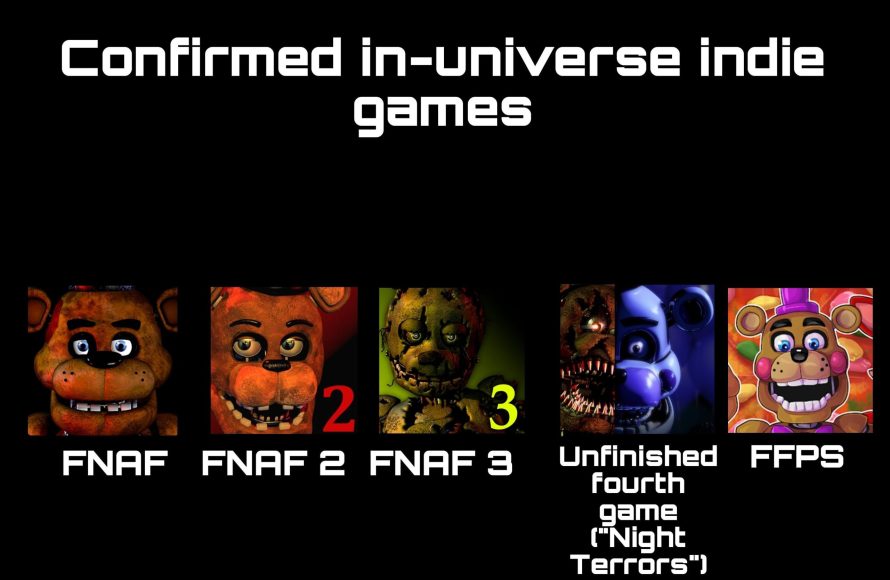
Yes, Five Nights at Freddy’s (FNAF) began as an indie game, created by a single developer.
The question often pops up: is fnaf an indie game? It’s a fascinating topic given the franchise’s massive popularity. This series started very small, from one person’s vision.
People often forget its humble origins. Many popular games today were once indie projects that grew into something bigger and more complex. Let’s consider its beginning and evolution, to see why it sits as a major indie success.

Is FNAF an Indie Game? Exploring the Origins and Impact
Five Nights at Freddy’s (FNAF) is a game that has taken the world by storm. But where did it come from? Is it one of those big-budget games made by a huge company? Or is it something else entirely? That’s the big question we’re tackling today: is FNAF an indie game?
What Makes a Game Indie?
Before we can figure out if FNAF is indie, we first need to understand what “indie” actually means in the world of video games. “Indie” is short for “independent.” Think of it like this: a big Hollywood movie is made by a giant studio, with loads of money and people working on it. An indie film, on the other hand, is usually made by a smaller group, often with less money, and lots of passion. Indie games are the same way.
Key Characteristics of Indie Games:
- Small Development Teams: Indie games are usually created by a small team of developers. This could be just one person, or a handful of friends working together.
- Lower Budgets: Indie games generally have much smaller budgets than games from big companies. They often rely on personal savings, crowdfunding, or small grants.
- Creative Freedom: Indie developers often have more freedom to try new things and be more creative without the pressure of big company expectations.
- Unique Ideas: Because they have more freedom, indie games tend to have unique and interesting game play, story, and art style, different than the typical big-budget games.
- Distribution: Indie games are often sold through online platforms like Steam, Itch.io, or the app stores.
These elements create a different kind of game experience. Indie games often feel more personal, experimental, and sometimes even quirky, which makes them so appealing to many players.
FNAF: A Look at its Creation
Now let’s examine how FNAF came to life. It wasn’t from a massive corporation with hundreds of employees. FNAF was primarily created by one person: Scott Cawthon. That’s right, one person designed the game, coded it, and even did the animation. This single-person effort puts FNAF squarely into indie territory. Scott Cawthon is a perfect example of an independent creator that has been able to produce a beloved franchise with limited resources.
Scott Cawthon’s Journey:
- Solo Developer: Scott was a solo developer working from his home. This means he handled everything himself.
- Initial Struggles: Before FNAF became famous, Scott had developed other games, some of which were not well received, especially for its character designs.
- Game Engine: Scott used Clickteam Fusion, a development tool that was relatively user-friendly but also powerful enough for creating games. This is very common for indie developers as they don’t have the budget for enterprise-level engines.
- First Release: FNAF was first released on Desura, then Steam, in 2014.
The limited resources and the single creator make FNAF a great example of an indie creation.
Budget and Resources of FNAF
Big game companies have huge budgets. They hire teams of designers, artists, programmers, and other specialists. FNAF did not have that luxury. Scott Cawthon worked with limited resources. He didn’t have a lot of money to spend on the game. He created his own 3D models, made his own sounds, and put everything together by himself. This is the hallmark of an independent game development.
The Financial Aspects of FNAF Development:
- Minimal Funding: Scott Cawthon funded the game with his own money. There were no huge investors involved in the initial FNAF release.
- Low-Cost Tools: He used accessible and low-cost software, which helped him keep his production costs down.
- Success Through Sales: The success of FNAF came from the game’s sales after release and not from initial funding.
The fact that the game was created with minimal financial backing and a limited toolkit emphasizes its indie nature.
Creative Freedom and Originality in FNAF
One of the biggest advantages of being an indie developer is the ability to take risks and try new things. Big companies often stick to formulas that are known to make money. Indie developers can be more experimental. FNAF is a great example of this. It took a very unusual approach to the horror game genre. Instead of letting players move around and fight, FNAF made them sit in one place and watch security cameras. This unique gameplay made FNAF stand out from other horror games. This is a huge creative risk that most big companies wouldn’t dare to take.
Unique Elements of FNAF’s Game Design:
- Static Gameplay: The game’s stationary camera system was a major deviation from typical horror games.
- Jump Scares: FNAF became famous for its jump scares which was a big part of its unique horror experience.
- Limited Resource Management: The management of power and cameras became very crucial to the survival in the game.
- Simple Mechanics: The game’s controls were very simple, making it accessible to a broad audience.
- Mysterious Lore: A very deep and intriguing lore developed over time with multiple games.
The unique features and the creative choices Scott Cawthon made truly show the creative freedom indie developers can enjoy. It’s this freedom that led to FNAF being so different from other games.
FNAF’s Distribution and Platform
Indie games often take a different route to get into players’ hands. Instead of going through retail stores, they usually are sold online. FNAF started as a digital-only release on Desura, a platform for indie games, and then it moved to Steam, another great way for indie games to be shared. This way of distribution is common for independent games as opposed to the big titles that might have physical versions and a more complicated method of getting into stores.
How FNAF Reached Players:
- Initial Digital Release: FNAF was initially released on Desura, which caters to independent developers.
- Steam Platform: Later, FNAF was released on Steam, which significantly boosted its reach and popularity.
- Mobile Ports: It was eventually released on mobile platforms (iOS and Android) as well.
- Accessibility: Distribution on these platforms made FNAF widely accessible to players around the world.
This pattern of digital distribution shows that FNAF’s initial release aligned with the typical path of an indie game. It is also common that successful indie games expand their platform distribution as their popularity increases.
The Evolution of FNAF and its Indie Roots
Even though the FNAF franchise has grown much bigger, becoming a huge media franchise with sequels, books, and even movies, it’s important to remember its indie roots. The first game and the original development that has led to the success of the franchise can’t be forgotten. The success of the games has not changed the fundamental nature of how the original game was created. The same core principles that made it an indie game in the beginning still remain a part of its identity. Even as the franchise grew, Scott Cawthon was heavily involved in the development of the games.
The Ongoing Influence of Indie Development in FNAF:
- Consistent Involvement: Scott Cawthon continued to oversee and contribute to the development of later FNAF games.
- Smaller Teams: Even with new collaborators, the game development teams remained relatively small compared to major game studios.
- Creative Control: The games continued to have a unique creative feel.
- Community Engagement: The FNAF community and fan engagement have played a very big role in the popularity and success of the franchise.
The continuous influence of an independent development approach is clearly visible even in the later parts of the FNAF franchise.
Why It Matters If FNAF is Indie
So, why does it matter if FNAF is an indie game? Well, it’s important because it shows that great games can be made by anyone, even with limited resources. It inspires other people who want to make games. It shows that all it takes is an idea, hard work, and a ton of passion. It shows that you don’t need a big company behind you to create something special.
The Significance of FNAF’s Indie Status:
- Inspiration for Aspiring Developers: It has inspired others to try and make their own games.
- Proof of Possibilities: It shows that big game companies don’t have a monopoly on making quality games.
- Celebration of Creativity: It demonstrates how much creativity can come from small teams and solo developers.
- Support for Independent Creation: It’s a great example for those who want to support independent creators in the video game industry.
Recognizing FNAF as an indie game helps us understand its journey and gives credit to the incredible dedication of its creator.
FNAF: A Success Story
FNAF’s journey is a remarkable success story. From a small game developed by a single individual to a multimedia franchise, it exemplifies what is possible in the world of indie game development. The game not only captivated fans with its spooky atmosphere and intriguing lore but also served as a source of inspiration for many other independent game developers.
What makes FNAF successful?
- Engaging gameplay: The simple but challenging gameplay, combined with the element of jump scares, was able to keep the players engaged.
- Compelling story and lore: The mysterious story line and deep lore made it intriguing for many fans.
- Strong community: A strong community formed by the fans of the game which lead to a bigger success.
- Adaptability: From the initial game release to numerous sequels, and other adaptations, the game has adapted well.
FNAF’s success serves as a positive message for the indie game development community. It shows that even the simplest of ideas, with the right execution and a dedicated developer can go a long way in the video game industry.
FNAF and the Indie Game Landscape
The impact of FNAF on the indie game landscape is undeniable. It created a path for many other indie developers and raised awareness of the creative possibilities within independent game development. It demonstrates that you don’t need millions of dollars or a massive team to create a video game that is highly popular. This helped create an environment of creativity and independence within the indie game development community.
How FNAF influenced indie game development:
- Breaking barriers: It broke barriers by demonstrating that a single-person project can achieve mainstream popularity.
- Inspiration: It has served as inspiration for many aspiring indie game developers.
- Creativity: It encouraged unique and innovative game design in indie game development.
- Community building: It also helped create a community-driven environment for independent game development.
FNAF’s legacy is the continued growth and evolution of indie game development and it continues to be a significant part of this community.
Conclusion: FNAF is an Indie Game
So, to definitively answer the question: Yes, Five Nights at Freddy’s is absolutely an indie game. It has all the classic hallmarks of an independent project – it was created by one person, with limited resources, a huge creative vision, and distributed through digital platforms. The fact that it grew into a huge franchise doesn’t change those fundamental indie roots. FNAF is a great example of how far creativity and determination can take you, proving that indie developers can make big impact with the right approach. It’s a testament to the power of independent creation and an inspiration to anyone who dreams of making their own games.
The Five Night's at Freddy's Game You Haven't Played
Final Thoughts
FNAF began as a project made by one person, Scott Cawthon. He developed, designed, and published the first game. This small scale production aligns with characteristics of indie games.
The success and later expansion of the series doesn’t change the origins. FNAF’s initial development and release define its roots. Therefore, is fnaf an indie game? Yes, its independent beginnings solidify its indie status despite later commercial success.

