
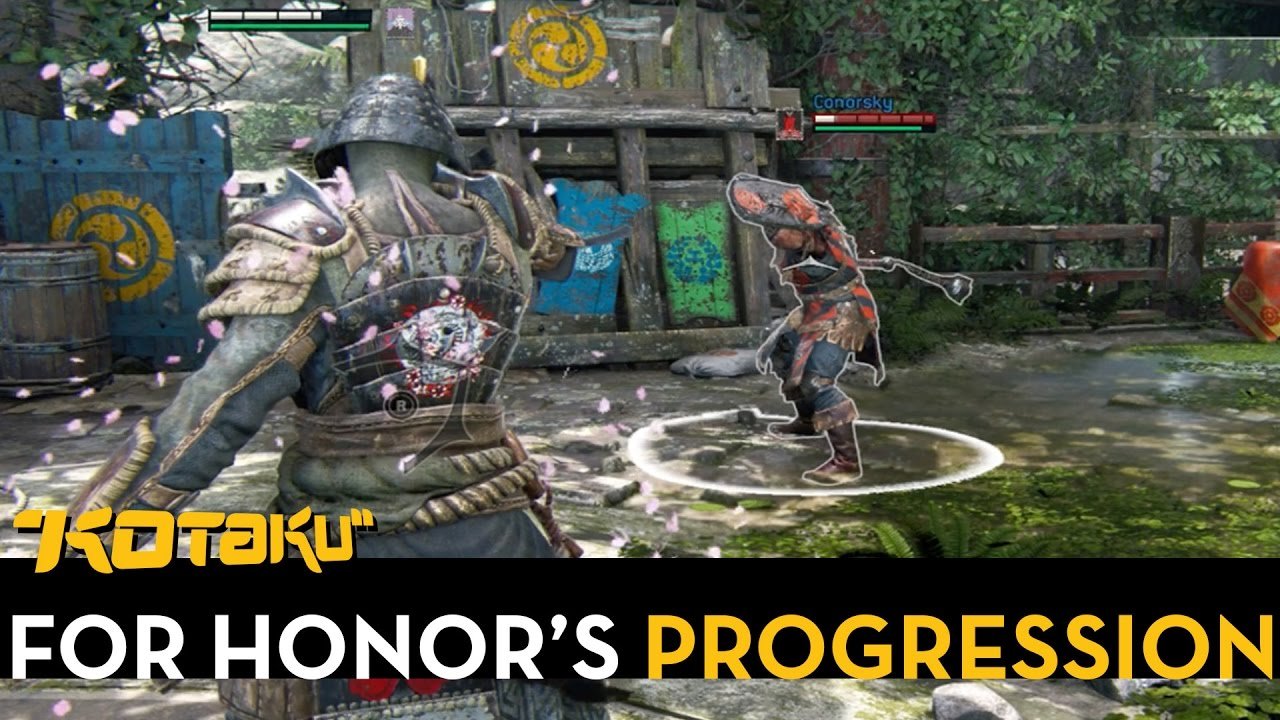
Yes, For Honor is a fighting game, although it incorporates elements from other genres like action and hack-and-slash.
So, you’re wondering if is for honor a fighting game? It’s a fair question, given its unique combat system. Many see swords and shields and automatically think of a hack and slash, but there’s definitely more to it than that.
The game emphasizes duels and carefully timed attacks, very much like a traditional fighting game. You need to predict opponent moves and adapt, showcasing skills beyond basic button mashing. For honor has a complex system of stances and combos that demand mastery.

Is For Honor a Fighting Game? A Deep Dive
Okay, let’s talk about For Honor. It’s a game where knights, samurai, and Vikings bash each other with swords, axes, and all sorts of pointy things. But is it really a fighting game, like Street Fighter or Tekken? That’s a question a lot of people ask, and it’s a good one! It’s not as simple as a yes or no answer, so let’s explore this idea together and find out what makes For Honor unique.
Defining a Fighting Game
Before we decide if For Honor fits the bill, we need to know what a fighting game actually is. Think about games like Mortal Kombat or Super Smash Bros. What do they have in common? Usually, it means:
- One-on-one battles: Two players face off in a closed arena.
- Health bars: You beat the other person when their health reaches zero.
- Special moves: Characters have special attacks that are different from normal hits.
- Complex controls: These games usually have detailed control schemes which includes things like button combinations.
- Combos: Stringing together multiple attacks to deal extra damage is often an important part.
These are some basic things that most fighting games have. But there are some important nuances too which are often overlooked, we will discuss them in detail, further in this article.
The Core Mechanics of Traditional Fighting Games
Traditional fighting games focus heavily on precise timing, spacing, and reading your opponent’s moves. Think of it like a chess match but with fists and fireballs. Players need to learn move lists, which includes what a particular character’s moves are, which attacks are fast, and when is the right moment to use them. A lot of practice goes into learning to chain attacks together to form powerful combos, which are a series of attacks done very quickly. The “neutral game” is what is known as the early phase of a fight, where players are trying to get in an attack while avoiding their opponent’s attacks, which require strategic movement and spacing. If we talk about depth, they have a wide array of characters, each with different abilities, which makes the learning curve very high.
How For Honor Differs From Typical Fighting Games
Now, let’s see how For Honor stacks up. It has a few things that are like classic fighting games, but it does things differently too. This is where it gets interesting.
The Art of War System
For Honor uses a system called the “Art of War.” Instead of relying on button combinations like in Street Fighter, you control your character’s stance: left, right, or top. This is a bit different. You don’t just button mash. It’s like you are actually holding a sword or an axe and having a proper fight with all its technicalities. Attacks come from different sides depending on your stance. This makes fights feel more realistic, but it also changes the timing of your attacks, making them not exactly like what you’d see in typical fighting game.
Here’s how the Art of War works:
- Stance Switching: Change your guard direction to defend against incoming attacks and to plan your own attacks.
- Light and Heavy Attacks: Light attacks are fast but do less damage. Heavy attacks are slower but more powerful.
- Parrying: Time your block correctly to knock your enemy off balance which allows you for a counter attack.
- Guard Break: An unblockable move that can break your opponent’s defenses.
More Than Just 1v1
Another big difference is that For Honor isn’t just about one-on-one fights. While duels are there, there are other game modes that include 4v4 battles, objective based matches, and even some modes with AI soldiers to mix things up. This is very different from other fighting games, where the main focus is only on 1v1 fights. In For Honor, your focus is not always going to be on only one opponent, which means that your overall battle strategy changes very drastically.
The Role of the Environment
In For Honor, the environment matters. You can push enemies off ledges, into spikes, or into other hazards. This adds another layer of strategy to the fights, making it something to think about instead of just focusing on your opponent in front of you. Unlike the fighting games where arenas are plain and just for fighting, here, your surrounding also matters.
Is For Honor Really a Hybrid Genre?
So, if For Honor doesn’t fit perfectly into the “fighting game” box, what is it? Many people call it a “hybrid.” It takes elements from fighting games, but mixes them with other genres to make something new. It also incorporates elements from action games, like team-based objectives and environmental interactions. The Art of War combat system brings it very close to a fighting game, but the game modes that focus on group fights set it apart.
Key Elements That Make For Honor Unique
Let’s break down the key things that make For Honor stand out:
- Unique Combat System: The Art of War system makes combat more about stance and timing than complex button inputs.
- Multiple Game Modes: 1v1, 2v2, 4v4, and objective-based modes add more variety than a traditional fighting game.
- Environmental Hazards: These are not usually included in fighting games, so these makes the player think about surroundings.
- Character Progression: You earn new gear and abilities as you play, which also sets it apart from fighting games where the characters are mostly the same with some cosmetic changes.
Comparing For Honor to Popular Fighting Games
To really understand where For Honor fits, let’s compare it to some well-known fighting games.
For Honor vs. Street Fighter
Street Fighter is a classic 2D fighting game that uses complex button combinations for special moves. For Honor has a less complex button system but has the Art of War which controls the direction of your attacks. Street Fighter is focused on 1v1 duels, while For Honor offers team-based fights and objectives as well.
Key Differences:
| Feature | Street Fighter | For Honor |
|---|---|---|
| Combat Style | 2D with special moves with button combinations | 3D with stance-based combat with the Art of War system |
| Game Modes | Primarily 1v1 | 1v1, 2v2, 4v4, and objective-based modes |
| Environmental Interaction | Minimal | Can push opponents into hazards. |
For Honor vs. Mortal Kombat
Mortal Kombat is known for its gory finishing moves and complex combos. For Honor doesn’t have the same level of gore, but still has brutal combat and different moves for different characters. Both games have complex control schemes, but they work in different ways. Mortal Kombat focuses on button combos, whereas For Honor focuses on precise timings and stances.
Key Differences:
| Feature | Mortal Kombat | For Honor |
|---|---|---|
| Combat Style | 2D with special moves and combos | 3D with stance based combat using Art of War system |
| Game Modes | Primarily 1v1 | 1v1, 2v2, 4v4, and objective-based modes |
| Gore | Very high | Present but lower than Mortal Kombat |
For Honor vs. Tekken
Tekken is another 3D fighting game, but it is much more grounded compared to the other examples. It is all about long combo strings and understanding your character’s moves. For Honor has a completely different system that focuses more on the direction of attacks and the timing of them. Tekken also focuses on a more personal style of fighting with more mobility. But in For Honor, it is more about being locked in combat with your opponent.
Key Differences:
| Feature | Tekken | For Honor |
|---|---|---|
| Combat Style | 3D with complex combo system | 3D with a stance based combat system using Art of War |
| Game Modes | Primarily 1v1 | 1v1, 2v2, 4v4, and objective-based modes |
| Mobility | High mobility in fights with a lot of movement options | Movement is less and most battles are a lock between two opponents |
The Community’s Take
How does the community view For Honor? It’s a mixed bag, but a lot of people consider it a fighting game with action elements. The competitive scene focuses heavily on duels and brawls, with the focus on skills and strategy. The community often uses fighting game terms like ‘mix-ups’, ‘spacing’, and ‘frame data’ when talking about the game.
The Competitive Scene
While For Honor has bigger battles, it’s not as popular in the eSports scene when compared to the other fighting games. However, there is a smaller dedicated group that holds tournaments. The competitive focus is usually on duel mode, where players try to show their technical skills with a lot of mind games.
Why The Mixed Views?
The mixed opinion about For Honor is likely because of it blending elements from other genres with fighting elements. Some players are only attracted by the Art of War system, and others prefer the team-based action and other modes. Because it is not a typical fighting game, some fighting fans find it a very different experience.
The Final Verdict: Is For Honor A Fighting Game?
So, is For Honor a fighting game? The answer isn’t a clear-cut yes or no. It has many elements of a fighting game: one-on-one duels, complex combat systems, and strategic gameplay. However, the game also includes team-based battles, environmental interactions, and an overarching progression system. It’s best to think of For Honor as a unique blend of fighting and action, a game that has taken elements of both and created something new and unique. It is safe to say that For Honor is a game that is heavily inspired from fighting games, but it’s also more than that.
Is For Honor a Fighting Game? – CSN
Final Thoughts
For Honor presents a unique blend of mechanics. It heavily emphasizes close-quarters combat, timing, and reads. This differs from traditional fighting games with projectile focus and complex combos.
The core gameplay loop revolves around duels and skirmishes. Players manage stamina and utilize guard stances. This system makes direct confrontations paramount.
Ultimately, is for honor a fighting game, but it’s distinct in its approach to combat. It sits within a niche, offering a tactical, melee-focused experience.

