
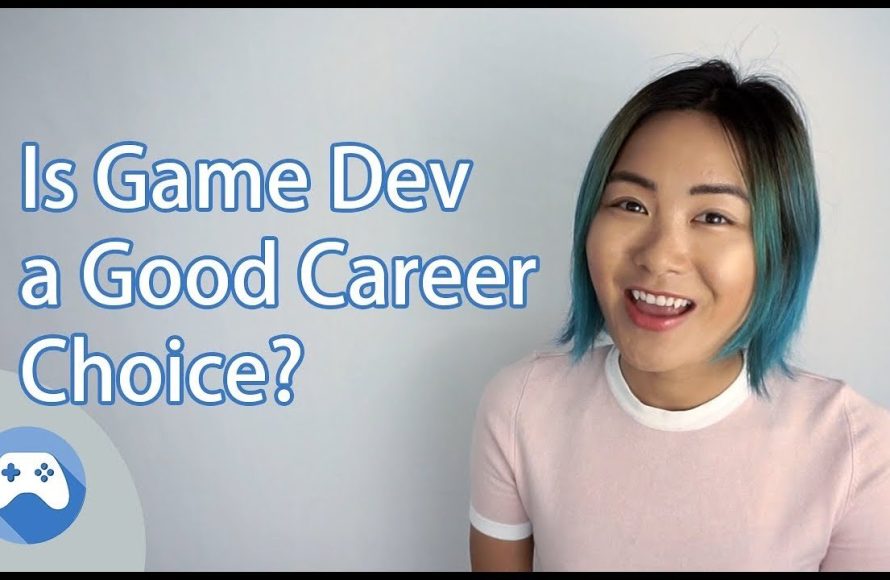
Game development can be a good career for those passionate about creating interactive experiences and willing to learn the necessary technical skills.
Is game development a good career? It’s a question many aspiring creatives and tech enthusiasts ponder. The allure of crafting virtual worlds and captivating stories is strong, drawing individuals into this challenging field.
This profession demands a unique blend of artistic vision and coding prowess, not always easy to learn. The gaming industry evolves rapidly, so continuous learning and adaptation are vital for success.

Is Game Development a Good Career?
So, you’re thinking about making video games for a living? That’s awesome! It’s a dream job for many, filled with creativity and fun. But is it a good career? Let’s dive deep and see what it’s really like to work in game development. We’ll talk about the exciting parts, the challenges, and everything in between, to help you figure out if this is the right path for you.
What Do Game Developers Actually Do?
Before we decide if it’s a good career, let’s get real about what game developers do. Game development isn’t one single job. It’s actually a team effort, with lots of different roles. Think of it like a sports team: you have players (the developers), coaches (the leads), and a whole support crew. Here are some of the key roles:
Game Designers
These are the idea people! They come up with the game concepts, stories, characters, and rules. They decide how the game will play and what makes it fun. They also write the game design documents, which are like blueprints for the game. They work very closely with other teams to make sure the game is fun and exciting.
Programmers
These are the tech wizards. Programmers write the code that makes the game work. They create the game mechanics, character movements, the AI (artificial intelligence) for the enemies, and so much more. They translate the game design into reality. There are different types of programmers like engine programmers, gameplay programmers, or tools programmers. Each have their own specific area of focus and expertise.
Artists
If it looks great in the game, it’s likely an artist made it. Artists create all the visual elements of the game. This includes characters, environments, objects, user interfaces and visual effects. There are different specializations like 3D modelers, 2D artists, texture artists, or concept artists. Each contribute with their own skill set to the game’s look and feel.
Audio Engineers and Sound Designers
They bring the game to life through sound. They create and implement sound effects, background music, and character voices. They also make sure that the sound mixes well and enhances the player’s experience. Sound design is a key aspect of creating the right atmosphere in the game.
Game Producers
These are the project managers of the game world. They keep the project on track, manage deadlines, coordinate the different teams, and keep everyone organized. They’re responsible for making sure the game gets finished on time and within budget. Producers are crucial for the success of any game project.
Quality Assurance (QA) Testers
These are the bug hunters. They play the game over and over, trying to find any glitches or problems. They then report these bugs to the developers so they can fix them. QA testers play a very important role in ensuring that the final game is polished and ready for the public.
The Upsides of a Game Development Career
Okay, now let’s talk about the good stuff. Why do people love working in game development? There are many reasons, here are a few:
Creative Expression
Game development lets you use your creativity every single day. You’re not just working on something boring; you’re making something that other people will experience and enjoy. It’s a chance to share your ideas with the world. Whether you’re crafting compelling stories, creating engaging gameplay mechanics, or designing stunning visuals, you will always be flexing your creative muscles.
Passion-Driven Work
Many people in game development are passionate about games. This passion can make the work feel less like a job and more like a hobby you get paid for. It is always better when you like what you are working on. When you are passionate about the work it can make a hard day feel much easier.
Constant Learning
The technology used in game development is always changing. You’ll be learning new things all the time. You will constantly have opportunities to learn about new game engines, coding languages, art techniques, or design methodologies. This continuous learning keeps things fresh and makes sure you stay up-to-date in your field.
Teamwork and Collaboration
Making a game is almost always a group effort. You will work closely with people from different backgrounds and skill sets. It’s exciting to share ideas and solve problems together. Collaboration is essential in game development. Sharing your knowledge and skills with others will not only improve your project but also enhance your communication and teamwork skills.
Making an Impact
When you work on a game that people love, it feels really rewarding. Your work is seen and enjoyed by many players around the world. Knowing your creation is bringing joy, engagement, and excitement to others is a great feeling. This impact makes the work feel meaningful and worthwhile.
The Challenges of Game Development Career
Alright, let’s be real, it’s not all sunshine and rainbows in game development. There are definitely some challenges you should be aware of before jumping in.
Long Hours
Game development projects often have tight deadlines, which means you may need to work overtime to finish the game. This can sometimes mean working late nights or weekends, especially during the final stages of development. It’s important to manage your time well and ensure you don’t get burnt out.
Tight Deadlines
Just like any other industry, game development has deadlines. Missing deadlines can cost a lot of money and may impact a studio. Sometimes it might feel like you need to finish a lot of tasks in a very short period. This requires careful planning, good time management, and efficient teamwork to ensure that the game releases as scheduled.
Job Security
The game industry can be unpredictable. Studios can sometimes have layoffs if a game doesn’t perform well or if a project gets canceled. Job security can sometimes be a concern in the field, especially in smaller studios. It’s wise to stay updated with the industry trends and always be open to learn new skills to maintain a competitive edge.
Competition
Game development is a popular career choice, which means there can be a lot of competition for jobs. To stand out, you need to have strong skills and a portfolio showcasing your work. Building a strong network and making connections within the industry can greatly help you find the right opportunities.
Dealing with Criticism
When you release a game, not everyone will like it. You have to be prepared to receive criticism and learn from it. It can be hard not to take negative feedback personally. However, it’s crucial to use criticism as a tool to improve and enhance your future work. Learning to accept feedback and using it to grow professionally is important.
What Skills Do You Need?
If you’re still interested in a game development career, here are some skills you’ll need to develop:
Technical Skills
- Programming: You’ll likely need to learn coding languages like C++, C#, or Python, depending on your role.
- Game Engines: Become familiar with game engines like Unity or Unreal Engine.
- Software Tools: Learn software used for creating art, animation, or audio, such as Adobe Photoshop, Blender, or Audacity.
Creative Skills
- Design Thinking: You need the ability to think creatively about game mechanics and how to make them fun.
- Artistic Vision: This includes things like understanding colors, shapes, and composition if you’re an artist.
- Storytelling: If you’re a game designer, you need to be able to write compelling narratives.
Soft Skills
- Teamwork: Game development is collaborative; you’ll need to work well with others.
- Communication: You need to be able to clearly express your ideas and listen to others.
- Problem-Solving: Bugs and challenges are common; you should be good at finding solutions.
- Time Management: You should be able to organize your time and meet deadlines.
How Much Money Can You Make?
The salary for game developers can vary greatly based on experience, location, and the size of the company. Here is a general idea:
| Role | Average Salary (USD) |
|---|---|
| Entry-Level Programmer | $60,000 – $80,000 |
| Experienced Programmer | $80,000 – $120,000+ |
| Entry-Level Artist | $50,000 – $70,000 |
| Experienced Artist | $70,000 – $100,000+ |
| Game Designer | $65,000 – $110,000+ |
| Producer | $70,000 – $130,000+ |
Keep in mind that these are just averages. Some developers can make much more, especially if they work on very popular games. The salary can also depend on the location of the company, with major tech hubs usually paying more.
How to Get Started in Game Development
If you are passionate about game development and think this is the right path for you, here’s what you can do to get started:
Get a Degree or Diploma
Consider getting a degree in game design, computer science, art, or a related field. A formal education can be very valuable, as it provides a structured learning environment. It allows you to learn necessary skills and knowledge, build a professional portfolio, and make connections in the industry.
Learn Online
If formal education is not possible, there are tons of great online courses. These courses can teach you the necessary programming skills, design principles, or art techniques. Online platforms offer flexible learning options which help you study at your own pace and convenience.
Create Your Own Projects
Start making your own games! Use game engines like Unity or Unreal Engine, which are free for beginners. You can try out game jams, which are events where you create a game in a very short period of time. Start small and create prototypes. This will help you gain experience and create a portfolio.
Build a Portfolio
A portfolio showcasing your game design projects, programming expertise, or artwork is a key to finding jobs. Employers will want to see what you’ve created. Your portfolio should highlight your strengths and demonstrate your abilities. It’s a compilation of your best work that will convince a studio that you have the skills and passion to contribute to their projects.
Network and Attend Events
Go to industry events, conferences, and meetups to meet other developers and learn more about the industry. It’s always good to meet and talk with people in the industry and make connections. Networking can be helpful in finding job opportunities or making contacts with experienced game developers.
Stay Updated
The game development world is constantly changing, so always be learning new things. Be curious and continuously learn new tools, technologies, or trends. The more adaptable you are the more valuable you become as a game developer.
In conclusion, game development can be a very satisfying career for those who are creative, technically minded, and passionate about games. There are challenges but many rewards. If you enjoy making things, solving problems, and being part of a team, you may find game development a good path for you. However, it is good to understand the industry’s reality, work hard, and be persistent in your learning journey. With the right skills, dedication, and perseverance, you may just find yourself making the next hit game.
The HARSH truth about Game Dev 👩💻 #technology #programming #software #gamedev #career
Final Thoughts
Game development offers a creative outlet and potential for financial reward. The industry continues to grow, presenting many job opportunities. However, success demands dedication and continuous skill development.
Competitive salaries and the chance to make something that people enjoy are definite advantages. Long hours and project deadlines can create stress, therefore finding a balance is important. Is game development a good career? It depends on individual priorities, but overall, it provides both challenges and satisfying career.

