
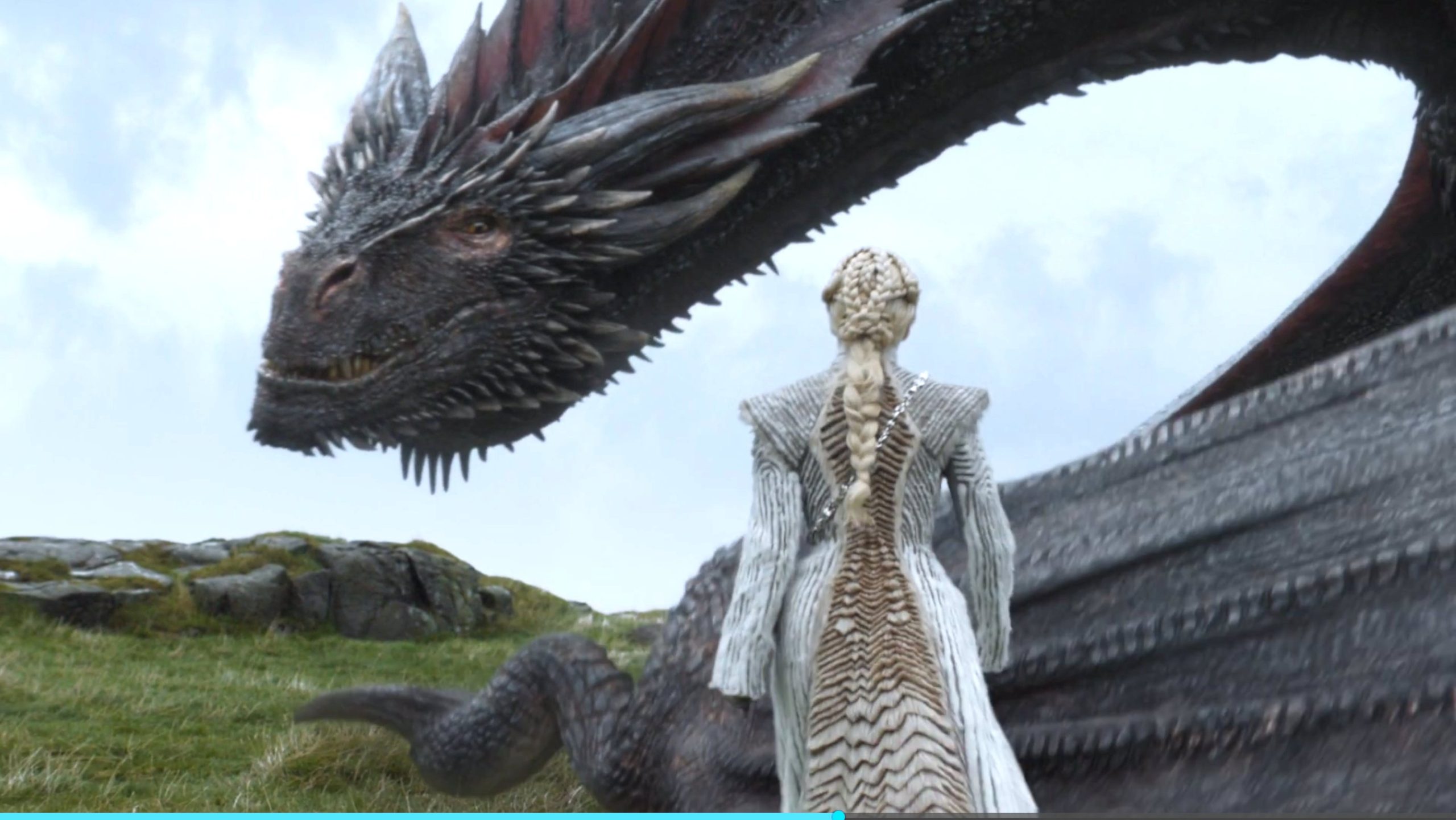
Yes, Game of Thrones is fantasy, incorporating elements such as dragons, magic, and supernatural beings within its narrative.
The question often surfaces: is Game of Thrones fantasy? It’s a series filled with complex characters and political intrigue, sure, but does it truly fit into the fantasy genre? We see families vying for power and kingdoms changing hands frequently, which makes it seem grounded in reality. But scratch the surface and the fantastical elements become very apparent.

Is Game of Thrones Fantasy? A Deep Dive into Westeros
When we think about Game of Thrones, we often picture dragons soaring through the sky, knights in shining armor, and mysterious magic. But is it really fantasy in the same way that, say, Lord of the Rings is? That’s a question many fans and critics have pondered. Let’s journey into the world of Westeros and explore the elements that make it feel so fantastical, and also look at the things that ground it in a more realistic, historical feeling.
Defining Fantasy: More Than Just Magic
Before we can truly decide if Game of Thrones is fantasy, we need to know what “fantasy” actually means. It’s not just about having wizards and spells! Generally, fantasy stories have these common elements:
- Magic Systems: These can be clear rules for magic or more mysterious and unknown forces.
- Mythical Creatures: We might see dragons, unicorns, or other fantastic animals not found in our world.
- World-Building: A completely new world or setting is created, with its own history, geography, and cultures.
- Moral Conflicts: Often, the struggle between good and evil is a central theme.
Fantasy can also have different flavors. You’ve got high fantasy, like The Hobbit, which has clear magical elements and a battle between good and evil. Then, there’s low fantasy, where magic might be rarer or more subtle, or where the story is set in something closer to our world. It is important to consider the whole spectrum of fantasy to better analyze Game of Thrones.
Magic in Westeros: A Complicated Affair
Okay, let’s talk about magic in Game of Thrones. It is a big part of the story but is it magic we see everyday? Not really! Compared to some other fantasy stories, magic in Westeros is often subtle and sometimes even dangerous. It’s not like wizards casting spells with a wave of their wands. Instead, we see things like:
The Return of the Dragons
Dragons are a big indicator that we are dealing with something beyond ordinary. They are powerful, awe-inspiring creatures brought back to life, who can change the course of any war. Their fire and scale is something that is rarely ever seen, making their existence quite fantastical.
Warlocks of Qarth and their visions
The warlocks in Qarth are a very mysterious group of people. They can create illusions, offer visions of the future, and are often shrouded in secrecy. Their powers blur the lines between what is real and what is not, making them a very magical aspect of the story.
Melisandre’s Shadow Magic
Melisandre is a priestess who uses shadow magic, a type of magic that can create dangerous shadow creatures. It’s a scary, powerful kind of magic that shows just how dangerous things can get when dealing with the unknown.
The White Walkers and Their Power
The White Walkers are like the ice zombies that are incredibly difficult to defeat and can turn the dead into more soldiers. Their magic comes from the cold and the ancient past, and they pose a huge threat to everyone. They are a force that is not easily understood or countered.
While magic exists in Game of Thrones, it’s not the main focus of every story line. It’s not something every character can use, and it is sometimes seen as something to fear and be careful of. This makes its place in the story unique compared to some classic fantasy stories.
Creatures of Myth: More Than Just Dragons
Besides dragons, there are other mythical creatures to think about. We have the direwolves, which are enormous wolves that are connected to the Stark children. We also see mentions of kraken in the sea, and the Children of the Forest have their own unique connection with nature. These creatures add to the feeling that this world is not exactly like ours.
World-Building and Westeros: A Blend of Real and Unreal
The world of Westeros is so detailed that it almost feels like a real place. George R.R. Martin created the history, the religions, the cultures and the languages from ground up. This level of world-building is a hallmark of fantasy, as it’s all about making a world feel so real that you could almost touch it. It’s not just a backdrop, but a character in the story.
The Seven Kingdoms: A Diverse Landscape
Westeros has many different regions, each with its own unique climate, history, and culture. From the cold north to the sunny south, it is diverse in geography. This makes it feel like a vast and very realistic place. The people living in these kingdoms are all different too, and it makes the story very complex.
Historical Inspiration: Echoes of the Past
While Westeros is fictional, George R.R. Martin used real history as inspiration. He based some of the characters, events, and cultures on historical periods and people like the Wars of the Roses, a series of civil wars in England, which gave rise to the concept of rival families fighting for power, which we see between the Starks and the Lannisters.
This mix of real historical inspiration and totally new things like dragons and magic creates a unique world that feels both grounded and fantastical. The familiar parts make it relatable, but the fantastical parts make it a place we are excited to explore.
Moral Ambiguity: Shades of Gray in Westeros
One of the biggest differences between Game of Thrones and some other fantasy stories is how it deals with good and evil. In many traditional fantasy stories, you have clearly defined good and bad guys. But in Westeros, things are not so simple.
No Clear Heroes or Villains
Characters we might initially think are good can make terrible mistakes, and characters who seem like villains may have understandable reasons for their actions. The world is full of people with complicated motives, and that is what makes it feel so real.
The Complexity of Power
The series also shows us how power can corrupt people, and that being a leader is more complicated than most of us think. It is often about compromises and difficult choices. The characters aren’t just battling external threats, but also their own internal conflicts. All these things blur the lines between what we consider to be right and wrong. This is quite a shift from the good versus evil found in a lot of other fantasy worlds.
Is it High Fantasy or Low Fantasy?
Given all we’ve discussed, where does Game of Thrones really fall on the fantasy spectrum? It does not easily fit into a single category. It has magical elements, like dragons and White Walkers, putting it in the fantasy genre. But, the series is far more concerned with political intrigue, backstabbing, and the consequences of war. It’s like a mix of medieval historical fiction with a side of magic and dragons.
- High Fantasy aspects: Dragons, White Walkers, magic users, world-building
- Low Fantasy aspects: Focus on human politics, realistic characters, moral complexity, historical influence
Some might say it’s “low fantasy” because the magic is not as overt, but it’s definitely not entirely realistic. It is something in between. Its uniqueness is where the fun is! It sits on the edge of both, making it something completely its own. It is this balance that draws a lot of people into the story.
The Impact on Viewers
So why do we need to ask the question, is Game of Thrones fantasy? It helps us understand the kind of story we’re watching! Knowing that it’s not your typical high fantasy makes us see it in a different light. The series asks us to question how we see the characters, as well as the world itself. It is an experience that we all can take something from.
- Intrigue and Debate: The show sparks a lot of conversations, with people discussing the morals of the characters and the decisions they make.
- Emotional Investment: Because the characters feel so realistic, viewers get deeply attached to them and really feel what they go through.
- Expectation subversion: The show also breaks many fantasy cliches, surprising viewers with unexpected twists and turns.
By using elements from both low and high fantasy, Game of Thrones creates something that is thought-provoking, and really stands out in the world of fantasy.
In conclusion, Game of Thrones definitely has elements of fantasy, with its magic, dragons, and unique world-building. However, it also has a lot of realism. The series blends high fantasy and low fantasy elements to create a world that feels both magical and relatable, making it a story unlike any other. Whether you consider it “true” fantasy or something else, it is an undeniable success in captivating audiences worldwide.
Wonders of the world of Game of Thrones
Final Thoughts
Ultimately, the debate around ‘is Game of Thrones fantasy’ stems from its blend of realism and magical elements. The political intrigue and character studies feel very grounded in history. Magic exists, but it’s often subtle, or tied to specific bloodlines.
The series presents a world that feels somewhat tangible, but with dragons and the White Walkers. This makes definitively answering ‘is Game of Thrones fantasy’ difficult. The key is that genre boundaries can be fluid, allowing this to be a complex blend.

