
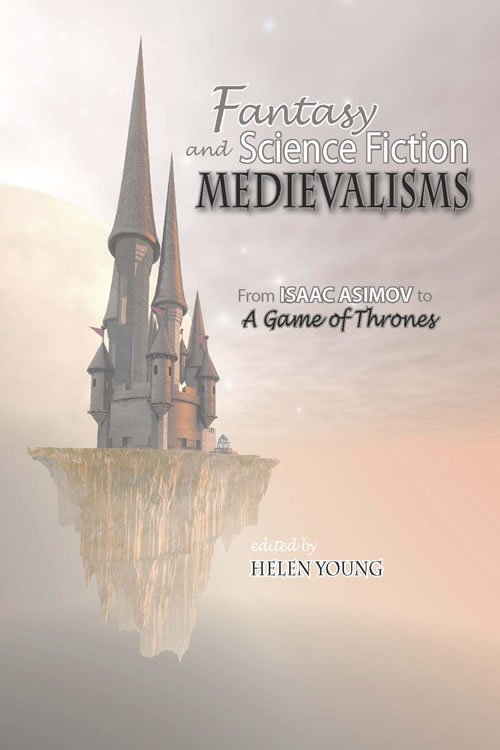
No, Game of Thrones is not science fiction; it firmly resides within the fantasy genre, featuring magic, dragons, and medieval-inspired settings, not advanced technology or scientific concepts.
Is Game of Thrones science fiction? This question often arises, given the epic scale and fantastical elements present in the series. However, focusing on genre distinctions reveals a clear separation. The narrative relies heavily on magic, mythical creatures, and political intrigue, elements classic to fantasy.
These elements contrast sharply with science fiction, which typically explores technological advancements, futuristic concepts, or scientific principles. Thus, while offering a compelling world, it stays within the realm of high fantasy.

Is Game of Thrones Science Fiction?
The question of whether Game of Thrones fits into the science fiction genre is a real head-scratcher for many fans. It’s a world full of dragons, magic, and epic battles, but are these elements enough to make it science fiction? To figure this out, we need to dig into what makes science fiction, well, science fiction, and then compare that to the world of Westeros and Essos. So, let’s put on our thinking caps and explore this question in detail.
Defining Science Fiction and Fantasy
Before we can decide if Game of Thrones is science fiction, we should be clear on the difference between science fiction and fantasy. It is important to consider both sides of this debate to fully grasp where Game of Thrones sits.
What Makes Something Science Fiction?
At its heart, science fiction explores possibilities based on scientific or technological ideas. It often features elements like:
Advanced technology: Think spaceships, robots, or gadgets that don’t exist in our current time.
Scientific concepts: Ideas related to physics, biology, or other sciences, sometimes stretched beyond what we know today.
Futuristic settings: Often taking place in the future, in space, or on other planets.
Focus on cause and effect: The story often explores what might happen if a particular scientific advancement was made or if a major change occurred.
Speculative exploration: Science fiction often asks “what if” questions about technology and its impact on society.
What Defines Fantasy?
Fantasy, on the other hand, deals more with magic, myths, and the supernatural. Key features of fantasy usually include:
Magic and the supernatural: Spells, potions, magical creatures, and supernatural powers are common.
Mythical creatures: Dragons, griffins, elves, dwarves, and other fantastic beings often play big parts.
Medieval or ancient settings: Fantasy often takes place in a world that is similar to our past, but with mythical additions.
Focus on good vs. evil: Often, the stories revolve around battles between good and evil forces, and the journey of heroes.
Emphasis on adventure and quests: Characters usually embark on important journeys or quests with a clear goal.
Game of Thrones: A Closer Look
Now that we have a better idea of what separates science fiction from fantasy, let’s examine the key elements of Game of Thrones to see where it lands.
Magic and the Supernatural
Dragons: These large, fire-breathing lizards are a big part of the story and are definitely not based on anything scientific.
White Walkers: These icy undead creatures are also supernatural in nature, with no scientific explanation.
Wargs and Greenseers: Characters who can enter the minds of animals or see the future are definitely magical abilities.
Shadowbinding: The magic performed by Melisandre and other characters, involving spells and dark powers.
All these aspects lean heavily into the fantasy side of things. The magic in Game of Thrones isn’t based on scientific principles but on mystical and supernatural powers.
Setting and Technology
The world of Game of Thrones is set in a medieval-like time period. The technology is very similar to our own past, with swords, bows and arrows, castles, and sailing ships being the norm. You won’t find any lasers, spaceships, or robots. There’s nothing high-tech here; instead, most of the technology is similar to what existed during medieval times. Even the most advanced tools are simple compared to what we would consider science fiction.
The Role of Science
While there isn’t much explicit science involved, the Maesters of the Citadel explore medicine, history, and other academic fields. However, these explorations don’t translate into advancements that are considered “science fiction.” Their knowledge is more akin to real-world historical studies rather than advanced scientific innovation. The Maesters’ pursuit of knowledge aligns more with scholarly investigation than with the futuristic speculation found in science fiction.
Why Some Might Confuse It With Science Fiction
So, if Game of Thrones is so clearly fantasy, why do some people sometimes think it might be science fiction? There are a few reasons for this confusion.
World-Building
The world of Game of Thrones is incredibly detailed. The author, George R.R. Martin, has created a detailed history, map, and political system for his world, which has a complexity usually associated with some science fiction works. This level of detail can make the world feel real and believable, which can be a hallmark of science fiction. When someone puts so much effort into a fictional place, it can blur the lines between genre. This extensive world-building is so intricate that it has depth that goes beyond typical fantasy novels.
Moral Ambiguity
In many traditional fantasy stories, there is a clear line between good and evil. However, in Game of Thrones, characters are much more complex. Everyone has their own motivations, and even the “good” characters often make questionable choices. This shades-of-gray morality is often seen in more mature science fiction which explores complicated ethical questions. The characters’ actions and motivations in Game of Thrones can make it feel different from standard fantasy stories with heroes and villains.
Subversion of Tropes
Game of Thrones is known for subverting common fantasy tropes. For example:
Heroes die unexpectedly: Many main characters don’t get “happy endings” and can die suddenly.
Villains win: Sometimes, evil characters are successful and aren’t easily defeated.
Magic isn’t always the answer: While magic exists, it is not a solution to every problem.
These unexpected twists and turns can make Game of Thrones feel more like a genre bending story, similar to the subversion often found in science fiction.
Realism
Despite the existence of magic and dragons, the political intrigue, battles, and human interactions in Game of Thrones feel very realistic. This gritty, down-to-earth approach to storytelling can make it feel more grounded than traditional fantasy, leading some to think it might have more in common with science fiction. The show focuses on human motivations and actions, making the story more believable, even with the fantastical elements.
The Debate Continues: Is it Science Fantasy?
Some argue that Game of Thrones isn’t purely fantasy but rather falls into the category of “science fantasy.” This subgenre blends aspects of both science fiction and fantasy. While Game of Thrones primarily leans into fantasy with its magic and mythical creatures, the complex world-building and gritty realism could suggest a science fantasy categorization.
What is Science Fantasy?
Science fantasy often includes some elements of science or technology alongside magic and fantasy elements. Here are some of the common features:
Magic with a system: The magic system, while still magic, might be somewhat formalized or have rules, like a science.
Lost technology: Advanced civilizations from the past could have left behind powerful artifacts or remnants of technology.
Blend of magic and technology: Sometimes, characters combine magic with scientific knowledge.
Future civilizations with magical elements: Futuristic worlds might also have magical or supernatural elements.
Focus on the fantastical within a scientific framework: A combination of magical aspects that are not explained by science, but have a scientific approach to their use.
Does Game of Thrones Fit Science Fantasy?
While Game of Thrones has a detailed system of magic, it does not fit neatly into science fantasy. Here’s why:
No advanced technology: There are no remnants of a past technology that is scientific.
Magic is purely mystical: The magic isn’t explored with any scientific method, and no characters try to find scientific reasons for it.
No blend of science and magic: The characters rarely combine magic with technology; they exist separately.
While Game of Thrones has elements that feel like they could be in science fantasy, the overall tone, elements and focus clearly cement it in the fantasy genre.
A Clear Conclusion: Fantasy, Not Science Fiction
After considering all the evidence, it’s clear that Game of Thrones is firmly planted in the fantasy genre. Its reliance on magic, mythical creatures, medieval-style settings, and lack of scientific or technological elements makes it clearly fantasy. While some of the complex storytelling and world-building might lead to the question of its classification, these factors do not make it a science fiction story. The detailed world and mature themes in Game of Thrones add to the depth of the story, but the core elements show its true identity as a fantasy epic.
The intricate details and morally grey characters might make it seem like it sits somewhere on the fence, but, in reality, Game of Thrones is an example of a high-quality fantasy series that has captivated millions of fans. The series’ ability to subvert expectations and create a deeply engaging world is what makes it so popular, even if those elements might sometimes make it seem like a different genre altogether.
Is Game of Thrones A Science Fiction Story? [CC]
Final Thoughts
Ultimately, Game of Thrones blends fantasy with political intrigue. It features magic and dragons, but its main focus remains on human conflict and power. The series does not explore scientific principles or technologies which are essential for science fiction.
The series mainly involves medieval settings, making its genre lean more towards fantasy. Therefore, the question ‘is game of thrones science fiction’ has a clear answer, it is not. This must be understood about the show.

