
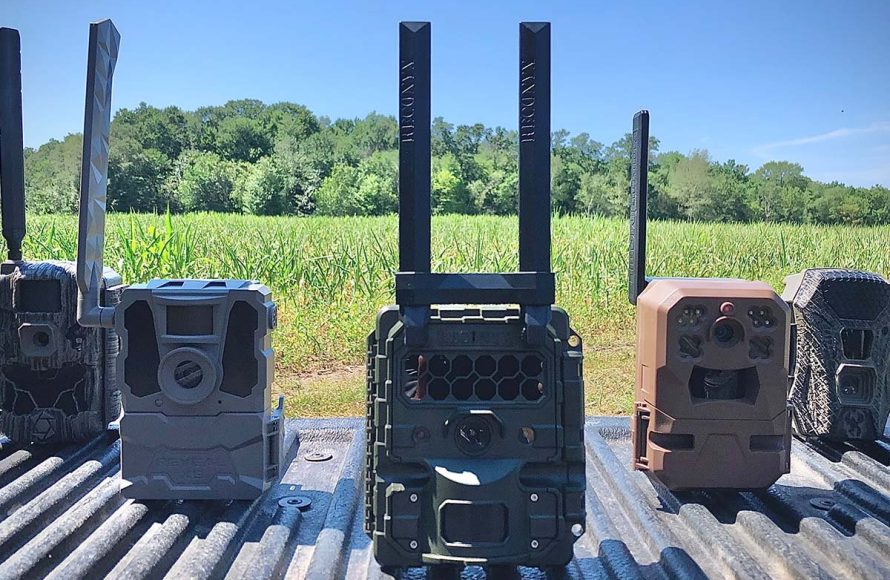
Yes, cellular game cameras typically require a subscription to transmit photos and videos over a cellular network.
Wondering about the hidden costs of those awesome trail cams? Many hunters and wildlife enthusiasts often ask, “do cellular game cameras require a subscription?” The convenience of receiving images and videos directly to your phone comes with a price. It’s something to consider when investing in this technology.
These subscriptions often provide the data and network connection necessary for the camera’s cellular functionality. Without it, you won’t be able to get those instant updates. So, it’s a key aspect of using a cellular game camera effectively.

Do Cellular Game Cameras Require a Subscription?
Let’s dive right into the heart of the matter: do you really need a subscription to use those cool cellular game cameras? The short answer is, yes, most of the time you do. It’s a bit like having a phone – you need a plan to make it work. But just like phone plans, not all camera subscriptions are the same, and the details are important to understand. So let’s explore why these subscriptions exist and what they usually cover.
Why Cellular Game Cameras Need Subscriptions
Cellular game cameras are different from the older style of trail cameras. Instead of storing pictures on an SD card, they send them straight to your phone or computer using a cellular network. Think of them as little cameras with their own built-in phones. This means they need data to operate, just like a cell phone does. The cellular service that allows these cameras to send pictures over a network is the primary reason a subscription is necessary.
The Role of Cellular Networks
Mobile networks, like those used by your cell phone, require infrastructure – towers, equipment, and maintenance. These costs are covered through monthly or annual subscriptions that customers pay to mobile carriers. Game camera companies partner with these carriers to provide the cellular service that allows their cameras to function. Because they are paying for this service, they pass this cost on to the consumer in the form of a subscription plan.
Data Usage and Transmission
Every time a cellular game camera takes a picture and sends it, it uses data. If a camera is set to take a lot of photos and videos and you’re checking them frequently, it will use even more data. The subscription plans are often tiered, meaning that lower cost plans may have limits on the number of photos that can be transmitted or lower data throughput speed. Higher-tier plans will allow for unlimited photo transfers, video transmission, and high data throughput speeds. Think about how much data you’re likely to use when deciding on a plan.
Understanding Subscription Plans
The types of cellular game camera subscription plans available are not the same across all camera manufacturers. Some offer very simple pay-as-you-go options, while others have a range of tiered plans. Let’s look at some common subscription structures.
Monthly vs. Annual Plans
Many companies offer both monthly and annual subscription plans. Monthly plans provide flexibility, meaning you can turn service on and off if you don’t need the camera active year-round. This can be handy for managing costs during the off-season or if you only use the camera seasonally. Annual plans are typically more cost-effective if you plan to use your camera year-round as they often come with discounts or extra features, such as free photo storage or access to software.
- Monthly Plans: Good for flexibility and seasonal use.
- Annual Plans: Better value for year-round monitoring and potential discounts.
Tiered Subscription Options
Subscription plans often come in tiers, each with different limits or benefits. The most basic plans often limit the number of photos you can send each month, while premium plans allow for unlimited transfers, high definition photo and video transfer, and other extra benefits. Here is a typical breakdown of tiered options:
- Basic Tier: Usually includes a limited number of photos per month and may have lower-quality picture transfer.
- Standard Tier: Provides a moderate number of photos each month, possibly in higher quality, and may allow video transfer.
- Premium Tier: Offers unlimited photos, video transfer, faster data speeds, and additional cloud storage.
Data Limits and Overage Charges
It is crucial to understand the data limits associated with your chosen plan. If you go over your monthly data allotment, you will typically face extra fees, which can add up very quickly. Some providers may also throttle your data speed if you exceed the plan’s limits, meaning pictures might take a long time to download. Reading the fine print and understanding the terms of service for your camera plan is very important before making a final decision.
Comparing Subscription Costs
The cost of a cellular game camera subscription is a very important consideration when you’re choosing a camera. Prices vary considerably between brands and subscription types, making it vital to compare the options carefully. Here are some of the factors that impact subscription costs.
Factors Influencing Subscription Costs
Several factors can influence the cost of a subscription, including:
- Data Allotment: More data generally means a higher price.
- Number of Photos/Videos: Plans often have limits on how many photos/videos you can send.
- Quality of Transmissions: High-resolution pictures and videos may require more expensive plans.
- Contract Length: Annual plans are usually cheaper than monthly ones.
- Additional Features: Some plans may include extra features that might affect the cost.
Average Price Ranges
Typically, basic cellular game camera subscription plans will range from around $5 to $15 per month, whereas the more premium packages will cost from $20 to $50 per month or more. Keep in mind that these are just typical ranges, and prices will vary considerably based on the company, your location, and specific features. It is good to research several companies before making a final purchase.
Hidden Fees and Extra Costs
Always be aware of potential hidden fees. Some companies may charge activation fees, overage fees, or cancellation fees. Some providers may also charge more for data usage in specific geographic areas. Read the terms and conditions carefully before you commit to a plan, so you’re not surprised by unexpected charges.
Choosing the Right Subscription Plan
Selecting the best subscription is very dependent upon your camera use, budget, and expectations. Here are some considerations for selecting a plan that’s the best fit for you.
Assessing Your Needs
Before choosing a plan, think about how you plan to use your game camera. Some questions to ask yourself include:
- How many photos do you expect to take each month?
- Do you need to transfer videos, or just pictures?
- Do you need high-resolution images, or will lower quality images work?
- How often will you check your images?
- Will you use your camera year-round, or just during certain months?
Matching Plan to Use Case
A hobbyist who only needs to check occasionally and has a few pictures a month might be fine with a basic plan, whereas a wildlife researcher or hunter who needs constant monitoring and high-quality images may require a premium plan.
Strategies to Minimize Costs
If you’re looking to reduce your costs, here are some good strategies:
- Choose a lower-tier plan: If you don’t need a lot of data, a basic plan will probably work just fine.
- Adjust camera settings: Set your camera to take fewer photos or videos and check them less often.
- Use lower resolution: If possible, set your camera to take lower resolution images which will use less data.
- Opt for an annual plan: If you use your camera year-round, an annual plan may have significant savings.
- Monitor data usage closely: Keep a close eye on your data use to avoid overage charges.
Alternatives to Cellular Game Cameras with Subscriptions
While cellular cameras offer amazing convenience, they’re not the only option available. If you’re wary about subscription fees, several alternatives exist to help you track wildlife without needing a cellular service plan.
Traditional Non-Cellular Game Cameras
Traditional trail cameras use an SD card to store images and videos. They don’t need cellular service, meaning no monthly fees. However, they require physical interaction to retrieve pictures. This can mean going into the field to remove the SD card and download the photos to your computer, which might be inconvenient or disturb the surrounding environment depending on its location.
Pros and Cons of Traditional Cameras
- Pros: No subscription fees, lower initial cost for the cameras.
- Cons: Need to physically check the camera, more time-consuming, risk of disturbance at the site.
SD Card Considerations
When using traditional game cameras, the quality and capacity of the SD card matters. You’ll want to make sure it has sufficient memory to store the number of photos and videos you expect to collect. Also, always make sure the card you’re using is fully compatible with the camera, and avoid cards of poor quality as they can corrupt or lose data.
Wi-Fi Enabled Cameras
Some cameras feature Wi-Fi, allowing you to view images on a nearby phone or computer without using a cellular network. The range of Wi-Fi is usually limited, which can mean that this option is only useful when you are in close proximity to the camera.
- Pros: No monthly fees, relatively simple setup, view photos remotely when in range.
- Cons: Limited range, must be close to the camera to view photos and videos.
The Future of Game Camera Technology
Game camera technology is continually advancing, and we can expect even more innovative features and subscription models in the future. New technologies will likely continue to develop, and we can expect changes in how these cameras operate.
Emerging Technologies
Here are some emerging technologies that are likely to impact cellular game camera design and subscriptions in the coming years:
- Improved Battery Technology: Longer battery life for cameras, reducing the need for frequent maintenance.
- Better Image Quality: Higher-resolution photos and videos with clearer images and better low-light performance.
- Artificial Intelligence (AI): Cameras that can analyze images and send alerts for specific animals, reducing unnecessary images.
- Advanced Cellular Networks: Faster data speeds and increased coverage will probably be adopted in the future.
Potential Changes in Subscription Models
As technology advances, subscription models may become more flexible, with options like pay-as-you-go data plans or the ability to use your existing cell phone plan. Camera manufacturers may also bundle more features into subscription plans or develop unique service agreements to encourage customers to select their products.
So, do cellular game cameras require a subscription? Yes, in almost all cases, but it’s not a one-size-fits-all situation. By understanding the different subscription models, choosing a plan that fits your needs and your budget, and considering all the available options, you can make an informed decision about how best to monitor your wildlife.
6 Things to Understand Before Buying Cell Cameras
Final Thoughts
Ultimately, yes, cellular game cameras usually require a subscription. These plans pay for the data used to transmit photos and videos. Without an active subscription, the camera’s cellular function simply will not work.
Therefore, if you are wondering ‘do cellular game cameras require a subscription’, the answer is a definite must. You must consider these recurring costs. Carefully evaluate subscription options before purchasing a cellular game camera.

