
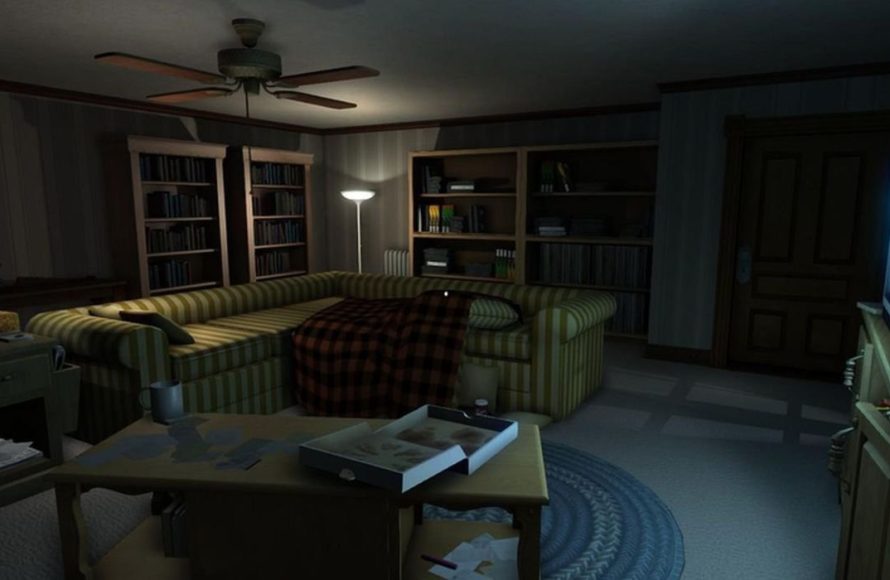
No, Gone Home is not a horror game; it’s a narrative exploration game with a suspenseful atmosphere.
Many players approach games expecting certain things, so it’s easy to misinterpret the feel of a game. Especially when a title like Gone Home offers a very unique experience. The question often pops up: is Gone Home a horror game? It certainly has elements that might make you think it is.
The creaky house, the empty rooms and the feeling of something missing all contribute to a tense feeling. This leads to people wondering if it’s a horror game. However, its core focus is on story and environmental storytelling rather than scares.

Is Gone Home a Horror Game?
Let’s dive right into the big question: Is Gone Home a horror game? It’s a question that pops up a lot, and it’s easy to see why. You’re in a big, empty house, late at night, and things feel a little…off. But is that enough to make it a true horror experience? The answer, like many things in life, is a bit more complicated than a simple yes or no. We’re going to explore all the angles here, digging into what makes a game scary and how Gone Home plays with those ideas.
The Atmosphere of Unease
First, let’s talk about the feeling you get while playing Gone Home. Gone Home places you in the role of Kaitlin Greenbriar. She’s coming home after a year abroad, but her family isn’t there. The house is completely empty, and it’s raining outside. This sets a tone that feels a little creepy right from the start. It’s not a cheerful welcome home; instead, you find a house filled with silence and questions.
The sounds in the game also contribute to the suspense. The creaking of the house, the distant sounds of the storm outside, all create a sense of loneliness and isolation. There aren’t loud jumpscares, but these subtle noises keep you on edge. You begin to wonder what happened to your family. The quietness is almost louder than any scream. This feeling of something being not quite right, even before you uncover any big secrets, is a key part of why some people think Gone Home is a horror game.
Empty House: A Classic Horror Trope
The empty house setting is a classic technique of horror games and movies. Think about it: deserted mansions, old castles, or even just a dark, quiet house at night is a very common and very effective method. The lack of other people in Gone Home creates a sense of vulnerability. You’re alone and have to rely on your own sense of exploration to piece together what’s happened. And that sense of exploration can be really scary. Because you don’t know what you’re going to find.
The Power of Silence
The use of silence in Gone Home is another big player in creating suspense. Unlike games with constant action and noise, Gone Home uses the absence of sound to make you feel anxious. It’s as if the game is holding its breath, waiting for you to make a move. The way the game avoids typical horror game tropes, and opts for this silent anxiety, creates a much more sophisticated and lingering feeling of uneasiness. This is more subtle than other horror games, that go for loud and sudden scares, but it’s effective.
What Makes a Game a Horror Game?
Before we make a final decision about Gone Home, let’s look at what we usually think about when we talk about horror games. Usually, we expect some or all of these things:
- Jump Scares: These are the sudden, loud noises or visuals that startle you. Think of a scary monster suddenly appearing on the screen.
- Monsters or Enemies: Horror games often involve creatures or people that chase you or want to hurt you.
- Gore and Violence: Many horror games use graphic depictions of blood and violence.
- Fear of Death or Loss: Players feel scared for their characters’ survival.
Now, let’s see how Gone Home fits into these usual categories.
Where Gone Home Differs from Typical Horror
Here’s the big thing: Gone Home doesn’t really have any of the things listed above. There are no monsters, no jump scares, and no violence. You are never in any danger physically. The game isn’t about running or hiding from something that wants to hurt you. That is important to know when discussing if Gone Home is truly a horror game. And that’s where things get interesting.
The Horror of Discovery
Instead of typical scares, Gone Home focuses on the dread of the unknown and the realization of some painful truths. You’re not scared of a monster in the closet; you’re scared of what happened to your sister, Sam, and the secrets she was keeping. This is what’s called psychological horror. It gets inside your head and makes you think about things that are uncomfortable or sad, like the troubles of life. This is very different from physical threats of typical horror games. It’s the kind of horror that sticks with you even after you finish playing.
A Focus on Narrative
In Gone Home, the true fear comes from the story itself. The game wants you to put the puzzle pieces together through a series of diary entries and found items that belong to Sam. You read what Sam was going through, her struggles and feelings, and you begin to see her story. The unfolding narrative is more frightening and emotionally affecting than any jump scare ever could be. You get a personal look into a very painful chapter of a young person’s life, and that is where a lot of the weight of the game comes from.
The Horror of Real Life
Gone Home could be considered a reflection of real-world fears. It’s not about fighting monsters, but it’s about dealing with isolation, family issues, and self-discovery. These kinds of issues can be just as scary as anything found in a typical horror game, especially if you are someone who has dealt with something like this. It presents real issues, but in a way that gets you thinking. These issues hit on human vulnerability and what makes us scared in real life. This is why Gone Home can be so affecting. It’s not the boogeyman under the bed; it’s the difficult things in life that haunt us in our own homes.
A Personal Experience
Because you’re piecing together the story as you explore the house, the horror becomes personal. The things you find are Sam’s things, her writings, her music, her secrets, and it all adds up to a very personal experience. The lack of a big bad guy means that you are more involved in the story, as you start to feel connected to the characters and what they have gone through. This makes the experience feel much more real. The kind of terror in Gone Home is connected to the emotional impact of the game, and that can be more powerful than a jumpscare.
The “Walking Simulator” Debate
Gone Home is often called a “walking simulator,” and that label might be why some people don’t think of it as a horror game. Walking simulators usually focus on exploration and storytelling, with little to no action. But this label doesn’t mean a game can’t be scary. The way a game is played, or its mechanics, doesn’t necessarily limit how impactful it can be. Gone Home uses its quiet exploration to create its own type of fear, making you feel unease as you search for the truth.
How Exploration Builds Tension
In Gone Home, the simple act of walking through an empty house becomes a tense experience. Every door you open, every drawer you look into can hold another piece of the story. You begin to wonder what you will find when you turn the corner or read another diary entry. This creates a feeling of anticipation, and the game makes you focus on the details of the world, not only on action.
Is it Horror, Then?
So, after all that, where do we land on the horror question? The short answer is: it depends on how you define horror. Gone Home isn’t a horror game in the typical sense. There aren’t any monsters chasing you or loud jump scares. But, it certainly has elements of horror. It is a suspenseful, unsettling game that uses atmosphere, story, and the dread of the unknown to create a feeling of uneasiness and fear. It uses a different kind of scare. It is more subtle and thought-provoking.
A Psychological Thriller with Horror Elements
A better way to describe Gone Home might be a psychological thriller with horror elements. It’s a story that plays with your emotions and your sense of what’s happening in a way that can be truly scary. The game taps into deeper fears, things that make us feel sad or uneasy about real life. It’s not the scream-in-your-face type of horror, but it’s definitely a type of horror that can stick with you.
Different Types of Fear
It’s important to remember that fear comes in many forms. Sometimes it’s the loud monster, other times it’s the quiet secrets hidden within the walls of a family home. Gone Home teaches us that you don’t need gore and violence to create an unsettling experience. It shows that emotional storytelling and suspenseful atmosphere can be just as powerful in making you feel fear. It’s less of a shock and more of a growing dread. This is what makes Gone Home such a memorable experience. It makes you feel and think more than it makes you jump.
Gone Home – A Different Kind of Horror
Final Thoughts
Ultimately, the debate surrounding whether Gone Home is a horror game remains. Many elements, like the suspenseful atmosphere and isolation, certainly suggest it. However, others argue the absence of traditional jump scares puts it into a different category.
The game cleverly uses tension and personal anxieties to create a particular experience, which, for some, qualifies it as horror. The fact that ‘is gone home a horror game’ is a persistent question shows its power. The game effectively generates unease, but its genre is ultimately subjective.

