
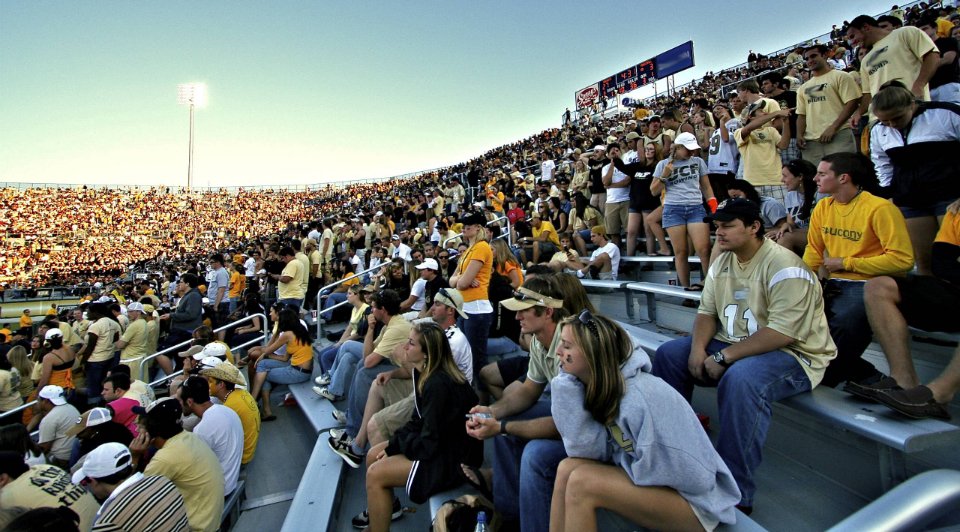
No, homecoming is not the last football game of the season for most schools.
The air crackles with excitement, the stands are packed, and school spirit is at its peak – it must be homecoming! But a common question pops up amidst the festivities: is homecoming the last football game? Many assume this special game marks the season’s end, however, this isn’t usually the case.
Homecoming often comes mid-season, providing a boost to school morale. Schools typically schedule more games following the homecoming celebration and the associated football game. Enjoy the party, the parade, and the football because the season is still far from over!

Is Homecoming the Last Football Game?
That’s a great question, and it’s one many people wonder about! The truth is, whether homecoming is the last football game of the season depends on a few things. It’s not a simple yes or no. Let’s explore the exciting world of high school and college football schedules to get the real scoop. We’ll look at the different types of schedules and what makes homecoming such a special event.
Understanding Football Season Schedules
To know if homecoming is the final game, we first need to understand how football seasons are structured. Both high schools and colleges have set schedules. These schedules tell teams who they’re playing, where they’re playing, and when they’re playing. There are a few different ways teams organize their games.
Regular Season Games
The regular season is the main part of the football schedule. It’s usually made up of a set number of games that each team plays. These games are a mix of home games (where the team plays on their own field) and away games (where the team travels to another school’s field). The games are typically played weekly, usually on Friday nights for high schools or Saturdays for colleges. The number of games in a regular season is different for high school and college, but also different from state to state or conference to conference.
- High School: A typical high school football regular season lasts around 10 games.
- College: A college regular season usually has 12 games.
Playoff Games
If a team plays very well during the regular season, they might get to play in playoff games. Playoff games are tournaments where the best teams from a state or region compete for a championship. These games take place after the regular season. For high school teams, this could be games at the state level. For college teams, playoff season can be part of bowl games and national championship. Getting to the playoffs is the goal of every team.
Homecoming Game
Now, where does homecoming fit into all of this? Homecoming is a special game that is part of the regular season. It’s a time for the school and community to come together and celebrate. It’s not part of the playoffs. Usually, the homecoming game is at the school’s home field. It’s a big celebration, often with a dance, pep rallies, and special events. But, it’s still part of the regular season and is not always the final game. Homecoming is a tradition loved by schools.
Key Takeaway: The regular season, playoff season, and homecoming game are all different parts of the overall football schedule. Homecoming is special because it’s a celebration, but it’s still just one regular season game.
Why Homecoming Might Feel Like the Last Game
Sometimes, homecoming feels like the last game, even when it isn’t. There are a few reasons why this might be the case.
End-of-Season Energy
Homecoming usually happens towards the middle or end of the regular season. This is when the season is starting to wind down and there is a big feeling of climax. Schools often try to put the homecoming game near the end of season to build excitement before the playoffs. Since the school year has been progressing, the event makes people feel like everything is culminating, even if it is not the last game. The overall excitement of the event makes it feel like the finale.
Emphasis on Community
Homecoming is all about bringing everyone together. It’s a time when students, teachers, alumni, and community members all come to the game. It’s a huge event, usually larger than any other home game of the year. This extra attention and focus might make it seem like the grand finale. The energy at homecoming is electric. The extra attention and excitement makes it feel like the final act.
Emotional Attachment
There is a lot of emotion tied to homecoming. Many students see it as the most important game of the year, and often the most fun. The school may have a lot of traditions tied into this particular game. If a student is graduating or the team has some seniors, there might be some sadness or sense of an ending. All of these reasons could make the game feel like a final goodbye. This emotion-fueled experience can easily create the idea of it being the last game.
Homecoming Game Placement within the Season
Where homecoming falls within the schedule can be different from school to school. It depends on what’s best for the school, their schedule, and their team. Here is a breakdown of common situations. This also depends on if you are in High School or College.
Mid-Season Homecoming
A very common time for homecoming is around the middle of the season. This way it gets people excited and they will return for more games. If the school plays a weaker opponent during the homecoming game, it can also mean a boost in morale if the team wins. It’s a great time to get the community engaged as well.
In these cases, the homecoming game is not the last one of the year. There will still be several regular season games after it, and possibly playoff games if the team does well. So for many schools the homecoming game comes in the middle of the season, not at the very end.
Late-Season Homecoming
Sometimes, a school might choose to schedule the homecoming game later in the season, but even this is not the last game. The team might be looking to get a big win as they head into playoff season. This is common. Again, even though it is later in the season, it is still not the last game. After homecoming there are likely going to be at least one or two more games in the regular season before any potential playoff games begin.
Early-Season Homecoming
While less common, some schools might have homecoming early in the season. This might help the school kick off the school year with a big, fun event. This type of homecoming means it’s nowhere near the end of the regular season. There are a lot of football games to look forward to after this.
How to Know if Homecoming is the Last Game for Sure
Okay, so now that we’ve talked about all the different possibilities, how do you actually know if the homecoming game is the last one for your school?
Check the School’s Official Website
The very best place to find this information is the school’s official website. Look for the athletics section or the football schedule. They will clearly list every game for the season. The homecoming game will be noted on the schedule, and you can easily see how many games are listed after it.
Look at the School’s Social Media
Schools often post their full schedules on social media. Check the school’s social media accounts to see the most updated version of the football schedule. They may have a link to a full schedule on their website or another place.
Ask the School’s Athletic Department
If you are still not sure, you can always ask the school directly. Contact the school’s athletic department or even the coach for the football team. They will be able to tell you for sure when the last game is and where homecoming falls in the schedule.
Consult a School Calendar
Many schools will publish a yearly calendar that has all the major events on it. Check your school calendar to see when your homecoming is, and what comes after it.
The Importance of Homecoming, Regardless of Game Placement
Whether homecoming is the last game or not, it’s still an important day. The goal of homecoming is to bring everyone together. It’s a chance to show your school spirit and make memories.
Celebrating School Spirit
Homecoming is a celebration of school pride. It’s a day when everyone wears the school colors, cheers on the team, and shows love for their school. The school spirit is always at its highest during homecoming. The pep rallies, the decorations, and the cheers make the day special. These help unify the students and the community.
Connecting with the Community
Homecoming is also a time for students, teachers, families, alumni, and community members to all connect. It’s a special day when everyone comes together to support the school. Homecoming brings the community together. The school acts as a central point for everyone to connect.
Creating Lasting Memories
Homecoming is a day that everyone remembers fondly. The fun events, the game, the dance—these are all parts of special memories that people keep for years. Homecoming creates lasting memories for students and the community.
So, is homecoming the last football game? The answer is, most of the time, no, but sometimes, yes. But really, whether it’s the last game or not, the most important thing is to enjoy the fun and community spirit of homecoming. It’s a celebration that has a special place in the heart of every school.
They both got asked to homecoming 👏😁 #shorts
Final Thoughts
Homecoming games often feel like season finales, but they rarely are. Many schools schedule more games after the homecoming celebration. ‘Is homecoming the last football game’ is a question with a simple answer: no, it is not must be. It is a special event, not the final one.
The team will usually have at least one or two more games. Focus on enjoying the festivities; the season does not typically end with homecoming. So, while it feels important, remember more football is coming.

