
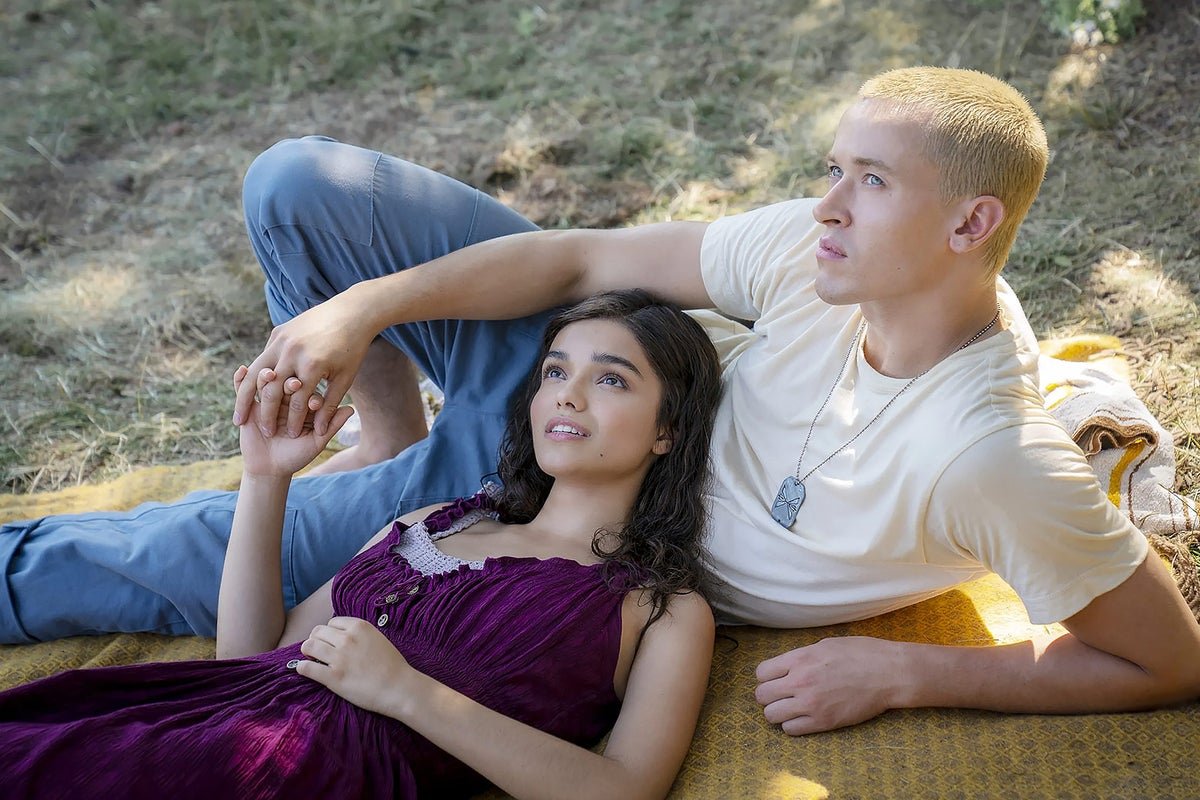
No, The Hunger Games is not a musical.
Have you ever wondered if the dystopian world of Panem breaks out into song? Many movies have a musical adaptation, and the thought naturally comes up, so is The Hunger Games a musical? The concept seems far-fetched considering its serious themes.
But think about it, wouldn’t it be quite something to see Katniss Everdeen belting out a power ballad before heading into the arena? It’s a fun thought, but the franchise stays true to action, suspense and drama.

Is Hunger Games a Musical? Exploring the Melodies of Panem
The question of whether The Hunger Games is a musical is a fun one, and it’s easy to see why it pops up. We’ve got a series packed with drama, powerful emotions, and moments that just beg for a soaring soundtrack. But is it actually a musical? Let’s dive deep into the world of Panem and see if it sings.
The Absence of Sung Dialogue
The most straightforward answer to the question of ‘is hunger games a musical’ is: no, it’s not a musical in the traditional sense. The books and the films tell their stories primarily through spoken dialogue, not through characters bursting into song to express their feelings. In a musical, the characters communicate significant plot points or emotions by singing, often with complex melodies and harmonies. Think of The Sound of Music or Hamilton. The Hunger Games doesn’t do this. It uses music to enhance the mood and the story, but not to move the story forward through song. The dialogue remains spoken, focusing on action and intense emotional moments, not musical ones.
Music’s Role in The Hunger Games
Even though it’s not a musical, music plays an important role in The Hunger Games. It’s crucial in creating atmosphere and shaping the emotional landscape of the story. Let’s look at some examples:
Intense Battle Music: During the games, the soundtrack swells with powerful orchestral pieces that amplify the tension and danger. This helps the audience feel the stress and fear that the tributes experience. These scores are heavy on percussion and strings, creating a chaotic, almost tribal feel. This makes the battles more heart-pounding, even though they are not delivered in song.
Emotional Themes: There are beautiful and sad melodies that come up when we see moments of loss or reflection, such as Rue’s death or the rebellion’s struggles. These melodies help to make us feel those emotions deeper. These moments, without songs, create a powerful impact.
Rebellion Anthems: The music of the rebellion often uses a mix of folk and modern music to give a feeling of hope and defiance. Though the music isn’t sung, it acts as a symbolic voice for the rebellion’s spirit, stirring emotions and setting the stage for powerful scenes.
Analyzing the Score: More Than Just Background Noise
The music in The Hunger Games doesn’t simply sit in the background. It actively engages with the story, enhancing our understanding and emotional connection. Here’s how:
Character Themes: Some characters have themes that repeat and evolve, representing their journey and development through the series. Think of Katniss’s theme—it’s often simple and melancholy, but it grows more powerful as she transforms into a symbol of revolution. These musical cues tell a story without lyrics, adding depth to the narrative.
Symbolism through Sound: The use of instruments and musical styles can symbolize different ideas within the world of The Hunger Games. For example, the stark, industrial sounds of the Capitol contrast with the more earthy, acoustic music of the districts. This contrast emphasizes the difference in power and lifestyle.
Why Some People Think of ‘Hunger Games’ as a Musical
So, if it’s not a musical, why do some people wonder if The Hunger Games could be? There are a few factors at play:
The Emotional Intensity
The Hunger Games is packed with powerful emotions – love, loss, fear, anger, and rebellion. These kinds of deep feelings are often the subject of musical numbers. This can lead some to think that scenes would be suited for songs. The raw emotion can make people feel like a song is coming, especially since we often see emotional releases in music.
The Theatricality of the Story
The setting and plot of The Hunger Games are theatrical, meaning they often feel big and dramatic. From the grand ceremonies of the Capitol to the tense arena battles, the story often feels like it’s happening on a stage. This sense of theatricality can make it feel like the story has musical potential. The costuming, the set designs, and the performances all contribute to this feeling.
Fan Interpretations and Creative Adaptations
Fans often create their own musical interpretations of the story through fan fiction, art, and videos. They take the characters and plot points and add their own songs, creating musical versions that don’t officially exist. This shows how the story can spark musical creativity, even if the original source isn’t a musical itself. It’s a testament to how fans can interact with and expand on the things they love.
What Makes Something a Musical?
To further clarify why The Hunger Games is not a musical, let’s consider what makes something a musical in the first place.
Key Characteristics of Musicals
Sung Dialogue: Musicals rely heavily on characters singing to express their feelings and move the story forward.
Musical Numbers: Musicals are structured around songs that are integrated into the plot and character development.
Choreography: Often, musicals include choreographed dance sequences, which go hand-in-hand with the musical numbers.
Thematic Music: The music often repeats or evolves, reflecting changes in the characters and plot.
How ‘The Hunger Games’ Differs
Primarily Spoken Dialogue: The Hunger Games primarily relies on spoken dialogue. Music enhances emotions, but it’s not the main mode of expression for characters.
Music as Enhancement: Music primarily acts as a backdrop to build atmosphere and heighten tension in The Hunger Games, rather than being a mode of plot delivery.
No Choreographed Numbers: While there are action sequences and battles, there are no traditional musical choreography in the films.
The Potential of a Musical Adaptation
Okay, so The Hunger Games isn’t a musical now, but what about in the future? Could a musical adaptation work? It’s definitely something to consider.
How ‘The Hunger Games’ Could Become a Musical
Emotional Songs: Characters could sing about their struggles, fears, and hopes. A song about Katniss’s choice to volunteer for Prim would be incredibly powerful. A song where Peeta confesses his love for Katniss would be a tearjerker.
Rebellion Anthems: The rebellion could be fueled by powerful anthems sung by the masses. Imagine a full-cast number during a pivotal moment of the uprising.
Capitol Excess: The extravagance of the Capitol could be shown through glitzy, over-the-top musical numbers, giving a stark contrast to the more grounded songs of the districts.
Choreographed Action: The battles in the arena could be reimagined with dance and fight choreography, creating a visual and auditory spectacle.
Challenges of Adapting ‘The Hunger Games’
Balancing Tone: Finding the right balance between the darker themes of the story and the often lighter tone of musical numbers could be tough.
Avoiding Camp: There’s a risk that musical numbers could come across as too silly or over-the-top if not done carefully.
Character Voices: It would be essential to find singers who can capture the emotional depth of the characters.
Respecting the Source: A musical would need to respect the core themes and messages of the original story.
Fan-Made Musical Interpretations
The idea of a Hunger Games musical isn’t just a thought experiment; fans have already begun creating their own versions. These fan works offer a glimpse into how music could enhance the story. Here’s a look at some examples:
Fan Songs and Covers
Many fans have created original songs based on characters and events in the story. These range from emotional ballads to energetic anthems.
Fan-made videos set The Hunger Games scenes to existing popular songs, sometimes changing the lyrics to match the story. This showcases how people interpret the story through musical lenses.
Fan-Created Musicals and Productions
Some dedicated fans have gone as far as to create full-fledged musical versions of The Hunger Games, putting them online or performing them at local venues.
These productions show the musical potential that many believe lies within the story. These attempts are all part of a creative, fan-driven movement.
The Importance of Music in Storytelling
Even if The Hunger Games is not a musical, it highlights the importance of music in storytelling. It shows how music can make a story more emotional and impactful, even without lyrics. Here are some of the key roles music plays in narratives:
Setting the Tone: Music can immediately tell us how we are supposed to feel: happy, sad, scared, hopeful.
Building Tension: A rising score can make us feel suspense and fear during a tense scene.
Highlighting Emotions: A moving melody can emphasize a character’s pain or joy.
Creating Atmosphere: Music can transport us to a different time or place, making the story more believable.
The Last Word on the Matter
The Hunger Games is a powerful story, not just because of its characters, or its plot, but also because of the way it uses music. It builds tension, intensifies our feelings, and adds layers to the world of Panem. While it’s not a musical in the traditional sense, its dramatic storytelling and the strong emotions could easily lend themselves to a musical adaptation. For now, we can enjoy the powerful soundtrack we have and imagine the possibilities of what a musical adaptation could be like.
While the official answer to “is Hunger Games a musical?” is no, the question itself opens up a rich discussion about the power of music in storytelling and the creative ways fans interact with the stories they love. The Hunger Games continues to inspire, whether it is through books, films, or fan-made musical interpretations.
the new hunger games is a MUSICAL⁉️ w Mattie Westbrouck- #shorts
Final Thoughts
Ultimately, the Hunger Games franchise isn’t a musical in the traditional sense. It’s a dystopian story with powerful themes. While the films feature a score, they don’t have characters breaking into song.
Therefore, the core question, “is hunger games a musical,” remains firmly no. The books and films prioritize narrative and action over musical numbers. This distinction is must.

