
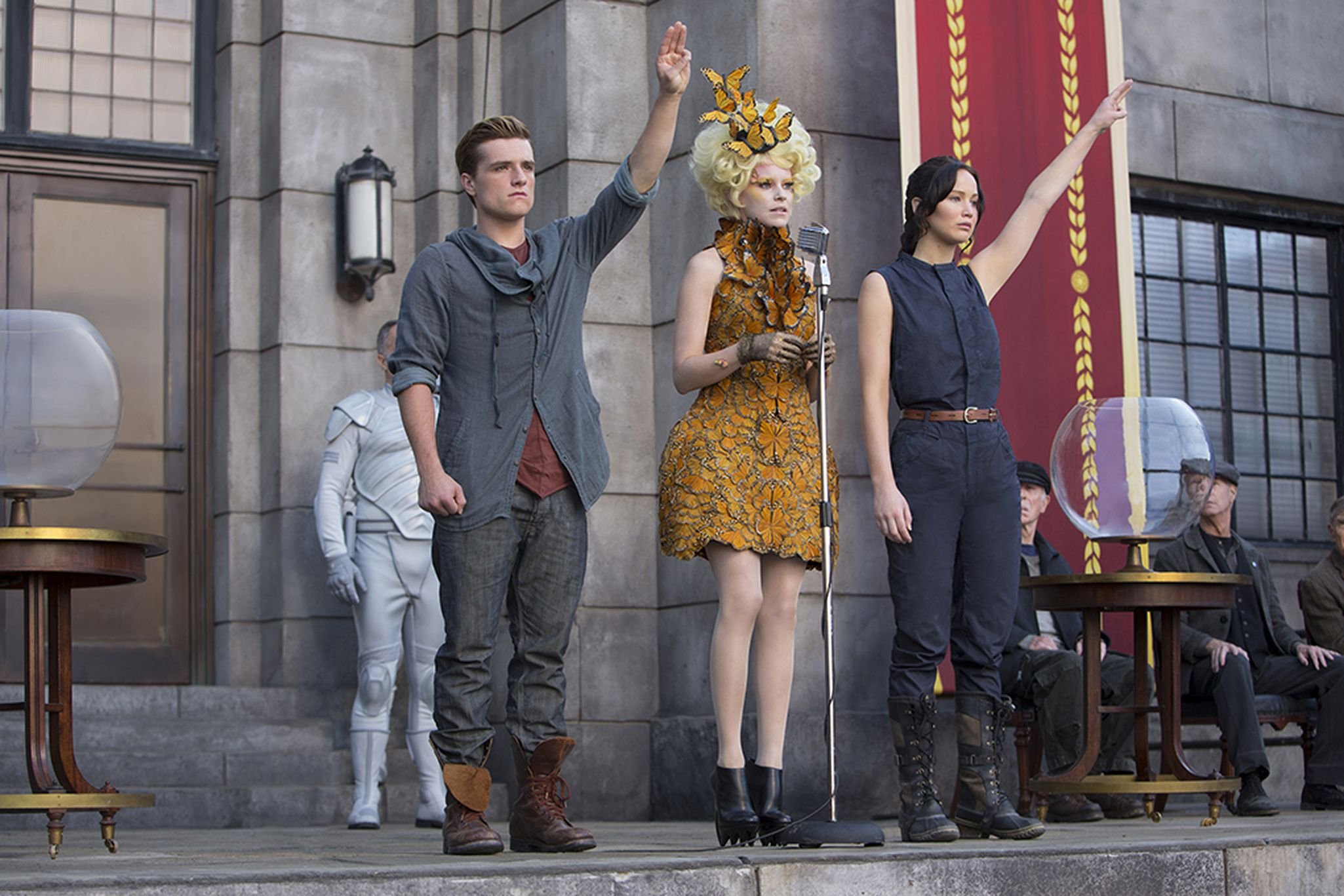
Yes, The Hunger Games is unequivocally dystopian.
Ever pondered the bleak world of Panem? The annual reaping, the televised brutality, the stark contrast between the Capitol’s opulence and the districts’ misery. The question is hunger games dystopian frequently surfaces because of these deeply unsettling elements.
It’s a society where freedom is an illusion, where children are forced into gladiatorial combat. That is exactly why many readers see it as a chilling portrayal of a controlling future.

Is Hunger Games Dystopian? Diving Deep into Panem
Let’s talk about the Hunger Games. You know, that story with Katniss Everdeen, the girl on fire? It’s more than just an exciting book series or a cool movie. It’s a world called Panem, and it’s definitely not a happy place. We’ve already touched on what a dystopia is – a society that looks good on the outside but is actually very unfair and often scary. Now, we’re going to look closer and see, is Panem in The Hunger Games really a dystopian society?
The Core Elements of Dystopia in Panem
To figure out if The Hunger Games is dystopian, we need to see if it has the usual signs. Dystopias often have these things:
- A controlling government: Think of a government that has too much power. They make all the rules and don’t let people have much say.
- Inequality: Some people have it way better than others. Often, there’s a small group with all the riches and power, while most people struggle.
- Loss of freedom: People don’t get to make their own choices. They’re told what to do and how to live.
- Fear and oppression: The government uses fear to keep people in line. If you break the rules, there will be harsh consequences.
- Propaganda: The government controls information, making them look good and everyone else look bad.
Does Panem have these things? Let’s break it down.
The Capitol’s Grip: A Powerful Government
First, let’s examine the Capitol, the center of power in Panem. The Capitol isn’t just any city. It’s where all the richest and most powerful people live. They have amazing clothes, delicious food, and advanced technology. They even have wacky hairstyles and bizarre fashion, which shows they’re focused on appearances and not substance.
Now, the Capitol controls everything. They decide who gets what, and they make sure that the Districts remain under their thumbs. They have peacekeepers, who act like the police, to enforce their rules. These peacekeepers are not there to protect, but to scare people into behaving.
The Capitol also uses things like the Reaping to maintain its power. The Reaping is the yearly ceremony where children are chosen for the Hunger Games. By forcing the Districts to sacrifice their children, they demonstrate their power and keep people afraid. The Capitol literally feasts while the districts struggle to survive. This shows an absolute imbalance of authority. It’s like saying, “We have all the power, and you have none.”
Surveillance and Control: Keeping an Eye on Everyone
Surveillance is another hallmark of dystopian societies. In The Hunger Games, the Capitol doesn’t just sit back; they watch everyone. In the districts, people live under constant supervision. Peacekeepers patrol the streets, and there are even cameras in some places. It creates an atmosphere of fear, where citizens have to watch what they say and do or there will be consequences. No one can freely plan or talk about anything that the Capitol wouldn’t like. This constant watch keeps people quiet and makes it harder for them to resist. Even in the arena, the Capitol controls every aspect of the game, from the weather to the terrain, reinforcing their total dominance.
The Districts: A World of Inequality
Here’s where it becomes very clear that The Hunger Games paints a picture of inequality. Panem isn’t a place where everyone has a chance to live a comfortable life. It’s broken into thirteen districts (though one is supposedly destroyed). These districts each have a specialty, like coal mining or farming, and people live there to work hard for the Capitol. But the Capitol doesn’t share the wealth.
Let’s examine a few districts to truly understand:
- District 12: Where Katniss is from, this is the poorest. People struggle to find food and often risk their lives working in coal mines. The environment is harsh, and they lack many basic needs.
- District 11: They’re responsible for agriculture, yet they live in poverty and lack the food they grow. This is the peak of irony and injustice, as those who feed Panem are starving.
- The Career Districts (1 and 2): They are much more privileged, but still controlled by the Capitol. They volunteer children who are trained from a young age to be tributes, further showing how the system corrupts even those who appear to benefit from it.
The differences are HUGE. People in the Capitol live in luxury, while most people struggle to survive. This divide isn’t an accident; it’s built into the system. The Capitol keeps the Districts poor and hungry so they’re easier to control. The Capitol gets richer and more powerful while the Districts get poorer and more desperate.
Economic Inequality: The Rich and the Poor
The economic disparity in The Hunger Games is one of the most prominent aspects of its dystopian nature. The Capitol has access to every kind of good and service you can imagine, from the latest technology to luxurious fashion and endless banquets. It’s a world of excess and abundance. People in the Capitol can be seen wasting food while kids in the districts are literally starving. However, the districts are constantly struggling, often with barely enough food or basic supplies. Their work is exploited, and the products they produce for the Capitol are not for their own enjoyment. This creates a situation where the Capitol has a firm grip on the districts not just through force but through the control of essential resources.
Loss of Freedom: No Choice in Panem
Do you like to choose what you eat, what to wear, and who to be? Well, in Panem, not really. People are told what to do. The Capitol decides everything, and the people in the Districts have very little say in their own lives.
Consider these points:
- Work assignments: People are assigned to jobs in their districts based on what the Capitol needs. They don’t get to choose what they want to do. They’re not allowed to pursue dreams or any personal hobbies; all of their time is dedicated to the tasks that benefit the Capitol.
- The Reaping: This is the ultimate example of a lack of freedom. Children from the age of twelve are forced to enter a drawing, and if their name is picked, they are sent to a battle to the death. They have no choice in this matter, no right to live a life free from this fear.
- Travel restrictions: District citizens are not allowed to travel freely. They’re limited to their assigned locations and cannot venture beyond their boundaries without permission. This limits their exposure to new ideas and makes it harder to organize any resistance.
In Panem, people have almost no control over their fate. This loss of control is one of the main things that makes it a dystopia. It’s a world where individual hopes and desires are crushed by the system.
The Hunger Games: The Ultimate Loss of Freedom
The Hunger Games themselves are the ultimate act of control and a stark symbol of the loss of freedom in Panem. Children from each district are treated as pawns in a game for the Capitol’s entertainment. They are not viewed as individuals with their own unique potential and value, but as objects to be used in this cruel spectacle. The games remove any sense of individual autonomy, forcing them to fight each other for their very survival. It’s a barbaric act that underscores the depths of depravity and control that the Capitol wields over the districts.
Fear and Oppression: Keeping the Districts in Check
The Capitol keeps people in line with fear. They want the Districts to be too scared to fight back. This fear is created and reinforced by the yearly Hunger Games, where children are turned into a spectacle of violence. When they see young kids forced to fight each other to survive, the message is clear: “Don’t mess with us or we will do the same to you.”
Other ways the Capitol keeps the Districts in check are through:
- Public executions: Anyone who defies the Capitol faces harsh punishments, often in front of the whole district. This is to ensure compliance and discourage rebellion.
- Peacekeepers: These are the Capitol’s police force who are not there to help but to instill fear and maintain order, often using brutal force.
- Repression of dissent: The Capitol quickly quashes any kind of resistance, so people stay quiet about any of their unhappiness.
This creates an environment of constant anxiety. The districts live under the shadow of the Capitol, aware that any act of defiance will be met with swift and severe consequences. This atmosphere of fear is a classic dystopian technique to keep its people under control.
The Spectacle of Violence and Control
The Hunger Games themselves are designed to be a spectacle that feeds the Capitol’s desire for control and entertainment. The lavishness of the games, the outlandish fashion of the Capitol, and the focus on celebrity make it clear that the Capitol views the districts as objects to be used for their amusement. The constant broadcasting and glamorization of violence desensitizes the viewers in the Capitol while sending a clear message to the districts: you have no power. This is another perfect example of how the Capitol uses fear and spectacle to maintain its grip on society.
Propaganda and Manipulation: Twisting the Truth
Lastly, let’s talk about propaganda. The Capitol doesn’t just use force to control people; it also uses lies and manipulation. They make themselves look good and the Districts look bad. The way they present the Hunger Games is a big example of propaganda. Instead of being a brutal display of power, they present them as an exciting game. They interview the tributes and make them seem like celebrities, masking the horror of what they will have to face.
Other methods include:
- Controlled media: The Capitol controls all the information that people get, and they make sure people only hear what they want them to hear. This ensures they maintain their image.
- Historical revisionism: The Capitol manipulates the history of Panem, blaming the districts for the rebellion that led to the creation of the Hunger Games.
- Celebrity culture: Tributes are turned into celebrities, distracting from the true nature of their situation and manipulating citizens into supporting the games.
This propaganda makes it easier for the Capitol to maintain its power. When people believe the lies, they are less likely to question things and rebel. The Capitol uses these messages to convince its citizens that this system is normal and okay, while simultaneously manipulating and controlling the narrative. This is a classic move of a dystopian regime, where the truth is often a casualty of the system’s need for power.
Distorting Reality and Manipulating Perception
The Capitol’s propaganda goes beyond just controlling news and information. It’s about controlling how people think and what they believe. By manipulating the way that people in the Capitol view the districts, they’re able to create a sense of “us” and “them” that justifies their control and cruel actions. This manipulation is designed to maintain the status quo and ensure the Capitol continues to have absolute power. The manipulation is so convincing that people in the Capitol are often disconnected from the realities and hardships faced by the districts. They are brainwashed into believing that the system they live under is not only just but also necessary for the “peace” of Panem.
In conclusion, all these signs – a powerful, controlling government; severe inequality; loss of freedom; fear and oppression; and the use of propaganda – clearly point to Panem being a dystopian society. It’s not a fun, happy place; it’s a frightening warning about what can happen when power is not kept in check. The Hunger Games is not just an exciting adventure story; it’s a look into the dangers of unchecked power and control.
Dystopian Futures: The Hunger Games
Final Thoughts
The Hunger Games clearly presents a bleak future with a totalitarian government controlling every aspect of life. Children are forced to fight to the death for entertainment. This chilling reality makes it undeniably dystopian.
The story explores themes of oppression and rebellion. The stark contrast between the Capitol’s extravagance and the districts’ poverty further highlights its nightmarish quality. These elements solidify that is hunger games dystopian.

