
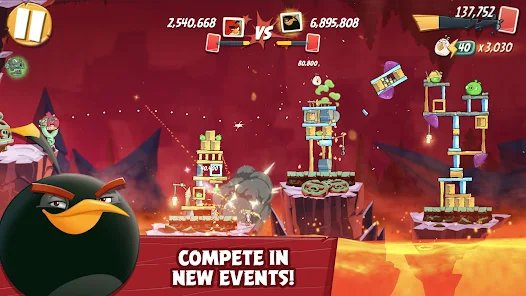
Yes, it is perfectly normal to get frustrated by games at times.
Ever felt your controller might fly across the room after a particularly challenging level? You’re not alone. The question of, is it normal to get frustrated by games, is one many players ponder. It’s a common experience.
Many factors contribute to this feeling. Difficult puzzles or repetitive gameplay can push your buttons. Sometimes, the desire to win just makes it worse.

Is it Normal to Get Frustrated by Games?
Okay, let’s talk about something many gamers know all too well: frustration! You’re playing a game, maybe it’s a tricky level, a super-fast racing track, or a boss that just won’t go down, and suddenly, you feel your face getting hot. You might even yell at the screen! Is this a normal thing to experience, or is there something else going on? The short answer is, yes, it’s totally normal to get frustrated by games. But let’s dig a bit deeper and understand why.
Why Do Games Make Us Frustrated?
Games are designed to be challenging. That’s part of what makes them fun. When things are too easy, we get bored quickly. Games are like puzzles, and solving them gives us a feeling of accomplishment. But sometimes, the puzzles are really hard, and that’s when frustration can creep in. There are lots of reasons why we might find ourselves feeling annoyed while gaming.
The Challenge of Difficulty
One big reason for frustration is difficulty. If a game is too difficult, we can feel like we’re not making any progress. Imagine trying to build a really tall tower out of blocks, and it keeps falling over! It’s fun at first, but after a while, you might get angry and want to quit. Game developers intentionally make certain parts of their games hard to make us think and strategize, but if that difficulty isn’t balanced well, frustration can take over. Different game genres have different difficulty curves. Action games may require quick reflexes, puzzle games demand logical thinking, and strategy games might require a lot of planning. If our skills don’t match the game’s demands, we’re more likely to get frustrated.
The Element of Competition
Many games have a competitive element, whether that’s against other players or against a computer opponent. Trying to beat someone else can be exciting, but it can also be a source of frustration. Think of a race where everyone is trying to reach the finish line. If you’re constantly in last place, it’s easy to feel like you’re not good enough, and that can be frustrating. Similarly, in team-based games, if your team is constantly losing, it’s natural to feel the pressure and frustration. This can be further amplified if you are playing against experienced players or are in a competitive online environment. This feeling is even more pronounced when you know you can do better, but aren’t able to perform your best.
Poor Game Design and Glitches
Let’s be honest, sometimes the game itself is to blame. Poor game design, like unclear instructions or unfair challenges, can definitely lead to frustration. Imagine playing a game where you don’t know where to go, or a puzzle that doesn’t make any sense. It’s irritating, right? Even worse, we all know that glitches, or bugs, happen. These unexpected problems can ruin the game experience and make us feel incredibly frustrated. If you’re in the middle of an amazing game moment and a bug crashes your progress, it’s completely understandable that you might feel angry!
The Importance of Stakes in Gaming
Some games create high stakes. In these scenarios, there may be a chance of losing game progress, in-game currency, or items. When these resources are precious, the fear of losing can significantly increase frustration. This can particularly impact players who are very attached to the game and want to achieve certain goals within the game.
How Different People Experience Game Frustration
It’s important to remember that not everyone reacts to frustration in the same way. What might make one person throw their controller across the room might only make another person take a deep breath and try again. There are several reasons for these differences.
Personality and Temperament
Our personalities play a big role in how we react to frustration. Some people are naturally more easygoing and can handle setbacks without getting too upset. They might see a difficult game as a puzzle to solve and enjoy the challenge. Other people might be more sensitive to frustration and feel it more intensely. They might have a harder time coping with losing or facing tough challenges in games. It is very common that people who are perfectionists are more likely to get frustrated when games don’t go perfectly.
Coping Mechanisms
How we deal with stress in everyday life also affects how we handle game frustration. If you’re already feeling stressed, a frustrating game might push you over the edge. Some people have developed ways to cope with frustration, like taking breaks, practicing mindfulness, or talking to someone about it. People with good coping skills usually find it easier to manage their frustration when gaming and are likely to keep playing without getting too upset.
Gaming Experience and Skill Level
New players are more likely to get frustrated compared to experienced players. If you are new to a particular game or genre, it might take time to understand the mechanics. It can be very easy to feel overwhelmed and frustrated. Experienced players are often more skilled and understand the game’s system which helps them overcome challenges more effectively. But remember even very experienced players may still get frustrated, if they are facing new and hard challenges.
Age
Age can also impact our response to frustration in games. Younger children might have a harder time understanding game rules and might get more easily frustrated when things don’t go their way. Teenagers and adults may have better coping mechanisms but can still experience frustration depending on the game and the competitive environment. In addition, everyone’s brain and emotional control are still developing throughout childhood and even into adulthood. That’s why we may react differently to the same situations at different times in our lives.
Recognizing When Frustration Becomes a Problem
While some frustration with games is normal, it’s important to recognize when it might be becoming a problem. A little annoyance is fine, but constant, intense frustration can affect your mood, behavior, and even your relationships. Let’s look at some signs that your gaming frustration may be something you need to address.
Physical and Emotional Reactions
Notice your physical and emotional responses. Do you feel your heart racing, sweat gathering on your skin, or your muscles tensing up? Are you frequently yelling, slamming your controllers, or experiencing significant mood swings? These physical and emotional responses can be a sign that you’re struggling with your frustration. Experiencing these responses occasionally is quite normal, but constant occurrence may indicate a larger issue.
Impact on Daily Life
If gaming frustration begins to interfere with your daily life, it may be time to re-evaluate. Are you skipping important tasks, like homework, chores, or spending time with family and friends, to play games? Do you feel irritated or upset when you aren’t playing games? If gaming frustration takes control over other important areas of your life, you need to address these challenges. Remember, games are supposed to be a source of entertainment and relaxation, and not cause stress or problems.
Changes in Behavior
Look at the changes in your behavior. Are you withdrawing from social activities, becoming more argumentative, or having difficulty sleeping? Constant frustration can also lead to feelings of guilt, anger, and sadness. If you recognize these symptoms, it is very important to take a step back and find ways to get help.
Gaming as an Escape
If you are only gaming when you are feeling frustrated or upset, you might be using games as an escape. This is not a healthy way of dealing with the problem, and it might further increase negative emotions and frustration. If you are feeling constantly frustrated with games, it is important to find out why that is happening, and develop ways to deal with that emotion.
Strategies for Managing Game Frustration
So, what can you do when you start to feel that familiar wave of frustration while gaming? The good news is that there are several strategies you can use to keep your cool and enjoy your gaming time more.
Taking Breaks
This is a simple but very important tip. If you feel yourself getting frustrated, take a break. Step away from the game, do something different, like getting a snack, talking to a family member, or doing some stretching. A quick break can help you reset and come back to the game with a clearer mind. When you take a break, it helps you to calm your emotions and think logically before trying again. This helps to reduce negative emotions and helps you stay focused on solving the challenge, instead of getting angry.
Mindfulness and Breathing Exercises
Practicing mindfulness techniques, such as deep breathing exercises, can be helpful. When you feel the frustration rising, take slow and deep breaths. Focusing on your breath can help calm your body and mind, making it easier to deal with the challenge. Mindfulness helps you to be more aware of your emotions and reactions, and is an effective way of dealing with all kinds of frustration.
Adjusting Game Difficulty
If the game is too difficult, try adjusting the difficulty level. Many games allow you to choose from different difficulty settings. If you’re having trouble, turning down the difficulty can make the game more enjoyable. Remember, there’s no shame in making a game easier. Games should be fun, not stressful. Choosing a lower difficulty level can help you learn the mechanics of the game better. After that you can gradually increase the difficulty, as you are getting better with it.
Changing Your Approach
Sometimes, frustration arises when we keep trying the same things over and over. If you are facing a difficult challenge, try changing your strategy. Maybe there’s another route you can take, a different character you can play, or a new ability you can use. Thinking differently might help you overcome obstacles in new ways. Try watching videos to see how other players overcame the challenge, or read gaming guides that might give you a new way of thinking about the problem.
Positive Self-Talk
It is important to remember to talk to yourself in a positive way. Try thinking “I can do this” instead of “I’m so bad at this”. Positive self-talk can help you stay motivated and keep frustration away. When you think positively, you are more likely to see the game as a fun challenge, instead of a frustrating obstacle. Also, celebrate your small successes along the way, this can be helpful for keeping the positive attitude.
Seeking Support
Don’t be afraid to reach out for support if you’re feeling overwhelmed with frustration. Talk to a friend, family member, or gaming community about what you’re experiencing. Sometimes, just talking about your feelings can make them easier to handle. Talking to other gamers can be very helpful, as they can relate to your frustrations, and give helpful tips or strategies. Remember, you are not alone and there are many people who experience the same problems as you.
Maintaining a Healthy Lifestyle
Don’t underestimate the importance of a healthy lifestyle. Getting enough sleep, eating nutritious meals, and exercising regularly can significantly impact your mood and resilience to frustration. Taking care of your physical health helps you to manage all kinds of stress, including the stress that you may face with games.
Remembering the Purpose of Games
Finally, always remember that games are meant to be fun. If you’re not enjoying yourself, it might be time to take a break, try a different game, or revisit your goals for the game. Sometimes, it is helpful to come back to the game after a few days of break. This way you might feel refreshed and have a new perspective to enjoy the game once again.
In conclusion, it is absolutely normal to get frustrated with games. The key is to understand why it happens, how you react to it, and to have some strategies to handle it in a healthy way. By being mindful of your feelings, taking breaks when needed, and adjusting your approach, you can keep enjoying your gaming experiences without letting frustration take over. Remember, games are there to have fun and learn from challenges. When you start to feel frustration, try some of these approaches, so that you can have great gaming moments without feeling overwhelmed.
CALLING OUT THE ANGRY VIDEO GAME NERD (AVGN)
Final Thoughts
It’s absolutely normal to get frustrated by games. Difficulty spikes, unfair mechanics, and repetitive tasks can easily trigger negative emotions. These feelings are a common experience for many players, and it does not mean you’re not enjoying the overall game.
The important thing is how you manage that frustration. Taking breaks, switching games, or even adjusting difficulty settings are good coping strategies. Remember, gaming is for fun, and frustration is a normal part of it. So, is it normal to get frustrated by games? Yes it absolutely is.

