
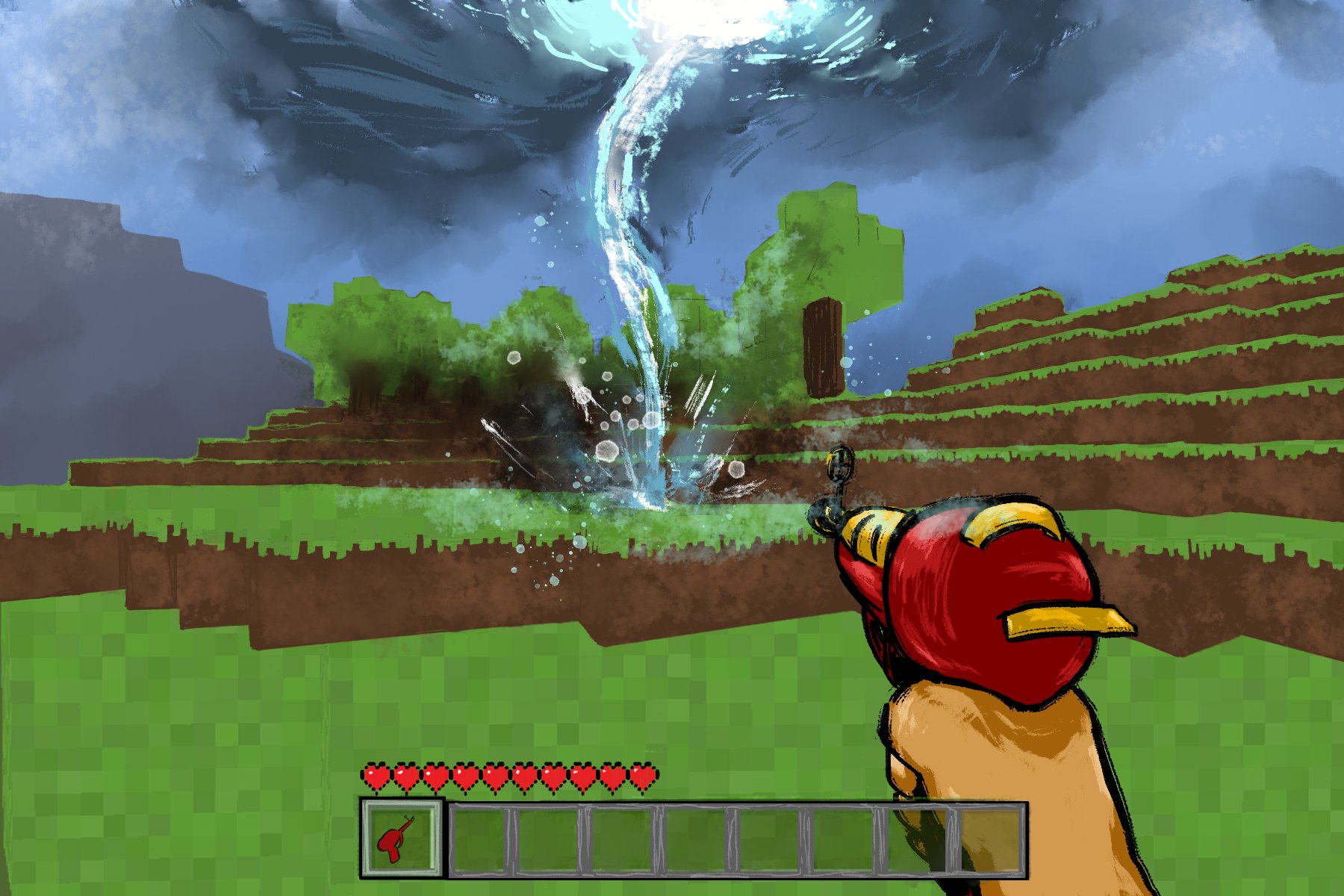
Modding games is generally legal as long as it doesn’t involve distributing copyrighted material or breaking terms of service.
Have you ever wondered about changing your favorite game? Perhaps adding new characters or levels? The question, “is modding games illegal,” frequently comes up within gaming communities. Many players modify their games for a more personalized experience. This often involves changing textures or adding entirely new content to a game.
However, legalities often get confusing when discussing game modifications. It all comes down to respecting intellectual property and the specific rules of each game. Therefore, it’s important to be informed before making any modifications.

Is Modding Games Illegal?
Let’s dive into the exciting world of game modding! You’ve probably heard about it – players changing games, adding new things, or even creating entirely new experiences. But a big question often comes up: is it okay? Is modding games illegal? The answer isn’t always a simple yes or no. It’s like a video game puzzle with lots of different pieces. We need to look at all the different sides to really understand what’s legal and what might cause trouble.
Understanding What Game Modding Really Is
First, let’s make sure we all know what we mean by “modding.” Modding is when players take a video game and change it from how it originally was. These changes can be small or very big. Here are some common things modders do:
- Adding new characters to a game.
- Creating new levels or worlds to play in.
- Changing how characters look or act.
- Fixing problems that the game developers didn’t fix.
- Adding new items or weapons.
- Making the game run differently (better or sometimes more challenging).
Modding can be as simple as a color change or as complex as creating whole new stories inside a game. It can be done on all sorts of games, from big computer games to smaller games on your phone or tablet. People mod games for many reasons. Some want to make a game more fun or interesting for themselves. Some want to fix little bugs or issues with the game. Others just want to be creative and make something cool.
The Legal Gray Area of Modding
Now comes the tricky part: is it legal? Often, modding exists in a gray area, not fully legal but not completely illegal either. Here are some things that contribute to that gray area:
Copyright Law and Game Modding
At the heart of the matter is copyright. When someone makes a video game, they own the copyright to it. This means they get to decide how the game is used, changed, or shared. Copyright laws are in place to protect the creators of books, movies, music, and also, yes, video games. The game itself, the characters, the music, and the story – everything is protected. When you mod a game, you’re technically making a change to something that someone else owns. This is where the legal issues can begin.
For example, if you take a game’s assets, like character models or music, and use them to create your own mod, you could be violating copyright law. If your changes include parts that are obviously copied from the original game, that makes it more of a problem. It’s like copying and pasting someone’s drawing into your own. It’s the same reason you can’t just take a movie and sell copies of it. However, using a game’s original code or files for modification is often considered transformative use, where the changed work becomes different and new, making the legal situation a bit complex.
End User License Agreements (EULAs)
When you buy a game, you usually agree to something called an End User License Agreement, or EULA. This is a legal agreement between you and the game company. EULAs often include sections about modding. Some EULAs say you are not allowed to modify the game at all. Others might be more open and allow for certain kinds of mods. Game companies write these agreements to control how their games are used, and they may choose to prevent or allow modding.
It’s really important to read EULAs, although sometimes they are very long and boring. But inside them, game companies tell you how they feel about modding. Sometimes, if you break the rules in a EULA, the game company might have the right to ban you from playing online or take other actions against you. This is not the same as a law, but it’s an agreement you make to use the game, and not following it can still cause problems for you.
Game Developer’s Stance on Modding
Game companies also have different approaches to modding. Some game developers love when people mod their games. They see it as a way to keep their games interesting and exciting for longer. They might even create tools to help modders. Other companies have a stricter view. They might not want anyone to change their games at all, and they might do everything they can to stop it. There are different reasons why game companies might not want people to mod. Sometimes, it’s about protecting their intellectual property. Sometimes, it’s because mods can cause problems with how the game works or affect multiplayer games.
The game developer’s attitude really plays a big part in whether or not modding feels safe. If the company supports it, they are likely to leave modders alone. If the company opposes it, then modding that game might come with the risk of being banned or other trouble.
When Modding is Generally Considered Okay
While the legality of modding can be confusing, there are situations where it’s usually seen as acceptable:
Single Player Mods
If you are modding a game that you only play by yourself, it’s usually less of an issue than modding an online game. This is because you’re not changing how other people play. These single-player mods affect only you, and companies are often less concerned about them. As long as you are not distributing the modified files or the original assets, it’s not a huge legal problem.
Mods Created Using Developer Provided Tools
When game companies give you special tools to mod their games, it’s usually a good sign that they’re okay with it. These tools allow you to make changes within the game’s rules. This is like the company saying, “Here, we give you this sandbox to play with.” These tools often limit how much you can change, but also make sure the mods are more safe and less likely to violate the game’s rules. Companies that offer these tools generally want to encourage players to make mods.
Mods That Only Change Visuals or UI
Some mods focus on how the game looks or how the user interface (UI) works. These types of changes are often safer. For instance, changing the colors or the shape of some buttons usually has less of an impact than changing the actual game code. So, they are often less risky in terms of legality, unless they introduce trademark infringement issues by copying other brands’ visual aspects.
Free and Non-Commercial Mods
Most mods are free, created by fans as a labor of love. If you aren’t trying to make money from your mod, then you’re usually less likely to get in trouble with copyright laws or the game company. The goal of these mods is often just to share and enjoy within the community. Things are different if you try to sell the mods, or use copyrighted assets without any permission.
When Modding Can be Risky
There are situations where modding can land you in hot water, legally or otherwise:
Distributing Copyrighted Material
If your mod includes copyrighted music, artwork, characters, or other elements that are from other games or sources without permission, you are breaking the law. Even if you are giving your mod away for free, it is still copyright infringement. Making any changes to someone’s work is an issue, and even if you give the mod to just a few friends, it’s still copyright infringement. Always be mindful of using someone else’s creations, which requires asking permission and obtaining appropriate licensing.
Modding Online Games to Cheat
Changing a game to cheat against other players is a big no-no. This usually breaks the game’s rules and can ruin the fun for everyone else. Online games have rules to ensure fair play, and if your mod is about gaining an unfair advantage, then companies will likely ban you. Cheating affects the integrity of the game and the experience of others. This not only violates the game’s rules but can also be considered illegal in some places.
Modifying Anti-Cheat Software
Many online games have anti-cheat systems to stop people from gaining unfair advantages. Trying to change or disable this software is almost always a terrible idea. It’s usually both a violation of the game’s EULA and can even lead to legal problems. These actions are often taken very seriously by game companies, as they try hard to maintain fair and stable environments. Attempting to get past anti-cheat systems is considered a very bad thing to do.
Creating Mods That Spread Malware or Viruses
Sometimes, mods can contain viruses or other harmful software. If you create a mod that hurts someone’s computer or steals their information, you could be facing very serious consequences. You also might be responsible if you distribute a mod that you did not make yourself that has those kinds of problems. This is why you should be extremely careful where you download mods. Always get mods from trusted sources.
How to Mod Safely
If you’re interested in modding games, there are ways to do it more safely and responsibly. Here are some things to keep in mind:
- Read the EULA: Always check the game’s EULA to see if it has any rules about modding.
- Use Developer Tools: If the game developer has provided modding tools, use them. They can keep you from doing anything that is harmful or breaks the rules.
- Get Mods from Trusted Sources: Only download mods from sites and modders that you know are safe.
- Don’t Cheat: Make sure your mods do not give you an unfair advantage in online games.
- Do Not Redistribute Copyrighted Material: Do not include material you have copied from the original game in your mod and distribute it, unless you have explicit consent.
- Keep it Free: It is a good idea to share your mods free for non-commercial use, if you can, to avoid some legal problems.
By taking these precautions, you can enjoy the fun of modding without getting yourself or others into any legal trouble.
The Future of Game Modding
Game modding is likely to continue to be a part of the gaming world. As gaming becomes more popular, we will probably see more and more companies finding ways to support modding. Some companies have already embraced it, and many games have long-lasting communities that center around modding. It’s a form of creativity and can help extend the life of a game long after its release. It will likely always involve a balance between creativity, copyright, and the rules that developers want to enforce. As technology develops, the way that we view and treat game modding will also likely continue to develop, so staying informed and making safe and ethical choices will always be important.
Navigating the world of game modding can seem like walking through a maze, but by keeping yourself informed, playing by the rules, and being responsible, you can enjoy all the creative fun modding offers. Modding is a fantastic way for people to have fun and enjoy games in a new way, while also helping developers extend the life of their game, and building a sense of community among players, if you mod in the right ways.
Should Modding Games Be Made ILLEGAL?! – Rant Video
Final Thoughts
In short, the legality of game modification depends heavily on the specific game’s terms of service and copyright laws. Modifying a game for personal use is generally accepted. Distribution or selling of modified game content often causes legal trouble.
Therefore, is modding games illegal is a complex question with no simple answer. Always check the game’s policy before making any changes. Consider that you could face legal actions for breaching game terms.

