
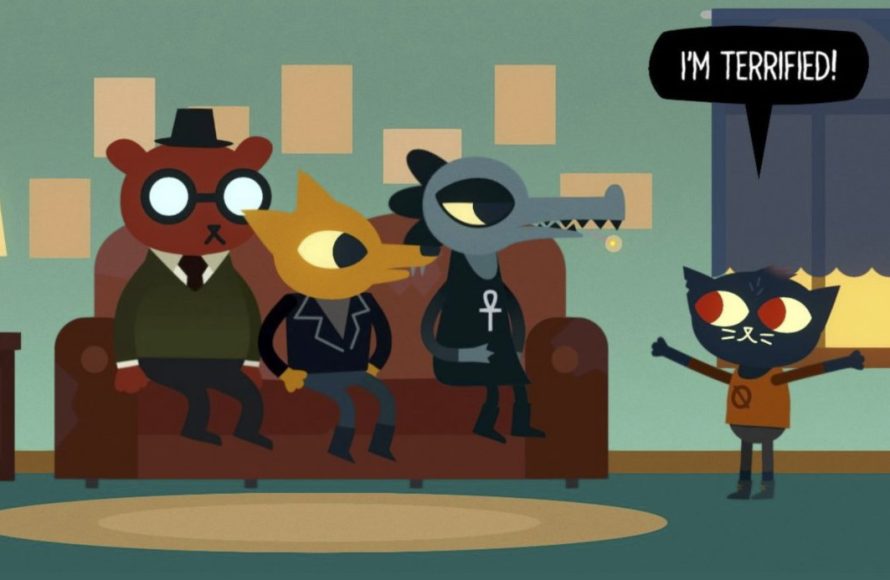
‘While Night in the Woods features unsettling themes and moments, it isn’t a horror game in the traditional sense.
Is Night in the Woods a horror game? It’s a question many ponder when exploring the game’s eerie atmosphere and underlying anxieties. The game presents a unique experience that blends small-town mystery with a sense of dread.
Players often find the story unsettling, filled with dark secrets and supernatural undercurrents. However, the core gameplay is narrative-driven adventure and character interaction. The experience isn’t designed to deliver jump scares but rather explores deeper fears.

Is Night in the Woods a Horror Game? Unpacking the Spooky Layers
Okay, let’s talk about Night in the Woods. You might have heard people say it’s super creepy, maybe even a horror game. But is it really? That’s what we’re going to figure out. It’s true, the game has some seriously unsettling parts, and it makes you feel uneasy sometimes. However, it doesn’t have jump scares every two seconds like some games do. Instead, it builds a sense of dread slowly. So, is it a horror game? Well, the answer is a bit more complicated than a simple yes or no. Let’s break down all the different reasons why Night in the Woods might give you the chills, and why it’s not your typical fright-fest.
The Eerie Atmosphere and Unsettling Vibes
One of the first things you’ll notice in Night in the Woods is the atmosphere. The town of Possum Springs feels…off. It’s a small, forgotten place, with boarded-up shops and rundown buildings. The colors are muted, often with a nighttime feel, even during the day. It’s not a happy, bright place. This gloomy setting contributes a lot to the game’s overall sense of unease.
Then you have the music. It’s not your typical scary music, filled with loud crashes and screams. Instead, it’s often quiet and melancholic, adding to the feeling that something isn’t quite right. The sound effects, like strange rustling sounds or distant echoes, also contribute to the chilling atmosphere. All these pieces fit together to create a feeling that something bad is always lurking just around the corner. Even during seemingly normal interactions, the game maintains this underlying sense of dread.
The Role of Visuals in Building Dread
Let’s talk more about the visuals. The characters are adorable animals, yes, but their eyes often have a wide, almost unsettling look. The backgrounds are hand-drawn, giving the game a unique and sometimes unsettling style. It’s not scary in a gory way, but it’s certainly unsettling. The way shadows are used, and the way buildings seem to loom over you, adds to this feeling. It creates a feeling of unease by making the familiar feel just a little bit wrong.
Psychological Horror Rather Than Jump Scares
Night in the Woods plays with your mind. It doesn’t rely on cheap scares like a ghost popping out. Instead, it focuses on making you feel uncomfortable, anxious, and sometimes even scared by the situations and the themes it presents. This type of horror is called psychological horror, and it’s often more effective than simple jump scares. The game does not hit you with cheap frights but rather it slowly builds a sense of suspense.
Exploration of Mental Health and Existential Dread
A major source of the game’s “horror” comes from its portrayal of mental health struggles. Mae, the main character, deals with anxiety and depression. Her experiences are often depicted in a way that’s both honest and unsettling. The game uses dreams and weird visions to explore Mae’s inner turmoil. Sometimes, these visions are terrifying, making you question what’s real and what’s not.
The game also deals with bigger, philosophical ideas. Like, what is the meaning of life? What happens after we die? These questions can be scary if you think about them too much, and Night in the Woods does a great job of making you think about them. The game brings a layer of existential dread to the table.
The conversations between characters also often touch upon these themes, offering different perspectives on the feelings of unease and uncertainty that the game instills in the player. This consistent exploration of deeper, more unsettling topics makes the game more than just a simple adventure.
The Mystery and the Unexplained
There’s a big mystery at the heart of Night in the Woods. Strange things are happening in Possum Springs. There are rumors of a cult, odd dreams of another world, and people start disappearing. The game slowly reveals these things, keeping you in suspense. This feeling of not knowing what’s going on is a big part of what makes the game so intriguing. The mystery is not solved by giving you all the answers; it leaves room for interpretation, which can be far more unsettling.
The Unseen Threat and Growing Tension
The game makes use of the “unseen” threat. There’s not always a monster chasing you, but there’s a sense that something dangerous is out there, watching you. This feeling that danger is lurking is a constant throughout the game. As you progress, the tension builds, and you become more aware of the potential for something bad to happen. This use of a persistent, ominous undertone enhances the overall experience by making the player more aware of the constant threat.
Why It’s Not Traditional Horror
Even with all the creepy parts, Night in the Woods isn’t a typical horror game. Here’s why:
- No Jump Scares: While there are certainly some shocking moments, the game doesn’t rely on cheap jump scares to frighten the player. The horror comes from the atmosphere, psychological unease, and the mysteries that unfold, rather than sudden shocks.
- Focus on Story and Characters: At its heart, Night in the Woods is a story about characters. Mae and her friends are dealing with real-life problems, like growing up, feeling lost, and facing an uncertain future. These relatable aspects make the game more grounded than most horror games.
- Dialogue and Character Interactions: The game is filled with funny, witty dialogue and genuine interactions between characters. These lighter moments balance the darker parts, preventing the game from becoming too depressing or scary.
- Exploration and Adventure Elements: Rather than constant threat of harm, you spend your time exploring Possum Springs, talking to people, and playing minigames. These elements make the game more of an adventure game with horror elements rather than a pure horror experience.
Thematic Elements That Lean into the Spooky
Several thematic elements add a layer of creepiness to Night in the Woods. Let’s explore them:
The Small-Town Decay
Possum Springs, with its failing economy, closed businesses, and sense of stagnation, embodies the eerie feeling of a place left behind. The slow decay of the town symbolizes more than just economic hardship; it adds an unsettling sense of things falling apart, not just materially but perhaps also spiritually. This feeling of decay contributes to the game’s overall feeling of unease.
The Nature of Dreams and Nightmares
Dreams play a significant role in the game, often blurring the line between reality and the surreal. Mae’s nightmares are particularly vivid and disturbing, serving as a gateway into her psychological struggles and the mysteries of Possum Springs. The recurring image of a black goat and other frightening symbols throughout her dreams enhance the spooky atmosphere. These sequences contribute to the psychological horror aspect of the game, leaving the player unsure of what is truly happening.
The Theme of Change and the Fear of the Unknown
The fear of change is a constant theme throughout Night in the Woods. Mae and her friends are struggling with the reality of growing up and finding their place in the world. This fear ties in with the mysteries of the game, as an underlying sense of the unknown amplifies that feeling of unease. This makes the game feel less like a typical horror game and more like a character-driven story with unsettling undertones.
The Cult and the Supernatural
The introduction of the cult and the possibility of supernatural forces adds a new layer of creepiness to the game. While it’s not entirely clear what’s going on, the hints and subtle implications make the player feel like something is very wrong. The ambiguity surrounding the cult’s goals and practices makes it even more unsettling, as it leans into the fear of the unknown and the inexplicable. The cult adds a layer of tangible, yet mysterious, menace to the game.
So, What is it Really?
So, is Night in the Woods a horror game? It depends on how you define “horror.” It certainly has elements of horror, especially psychological horror. However, it’s also a coming-of-age story, an adventure game, and a character study. It’s more accurate to say that Night in the Woods is a game with strong horror elements, but not a horror game in the traditional sense. It combines the unease of a spooky story with relatable characters and real-world themes. It’s a unique experience that will stick with you long after you finish playing.
Night in the Woods uses a slow build of tension, unsettling visuals, and thematic elements rather than typical horror game tropes, which makes it a more cerebral and intriguing experience. The psychological unease and existential questions the game raises make it a unique and memorable experience for many players. The game does not go for cheap thrills but it makes you think about some of the creepier aspects of life, and the things that might lurk around in our everyday life.
Night in the Woods is more than just a game; it’s an experience. It explores complex themes with depth and nuance. While it may not be a horror game in the conventional sense, its unique blend of psychological unease, eerie atmosphere, and meaningful storytelling provides an unforgettable journey that is both unsettling and profoundly touching.
Night in the Woods – A Dark Story in Cute Packaging
Final Thoughts
Night in the Woods uses unsettling atmosphere and themes, creating suspenseful moments. It features supernatural elements and a sense of unease throughout the narrative. These components contribute to a feeling of dread.
The game’s psychological aspects and focus on social anxieties might not constitute traditional horror. However, the creeping dread and unsettling visuals certainly blur genre lines. Therefore, while it’s not strictly a jump scare experience, the core question of is night in the woods a horror game has no easy answer.

