
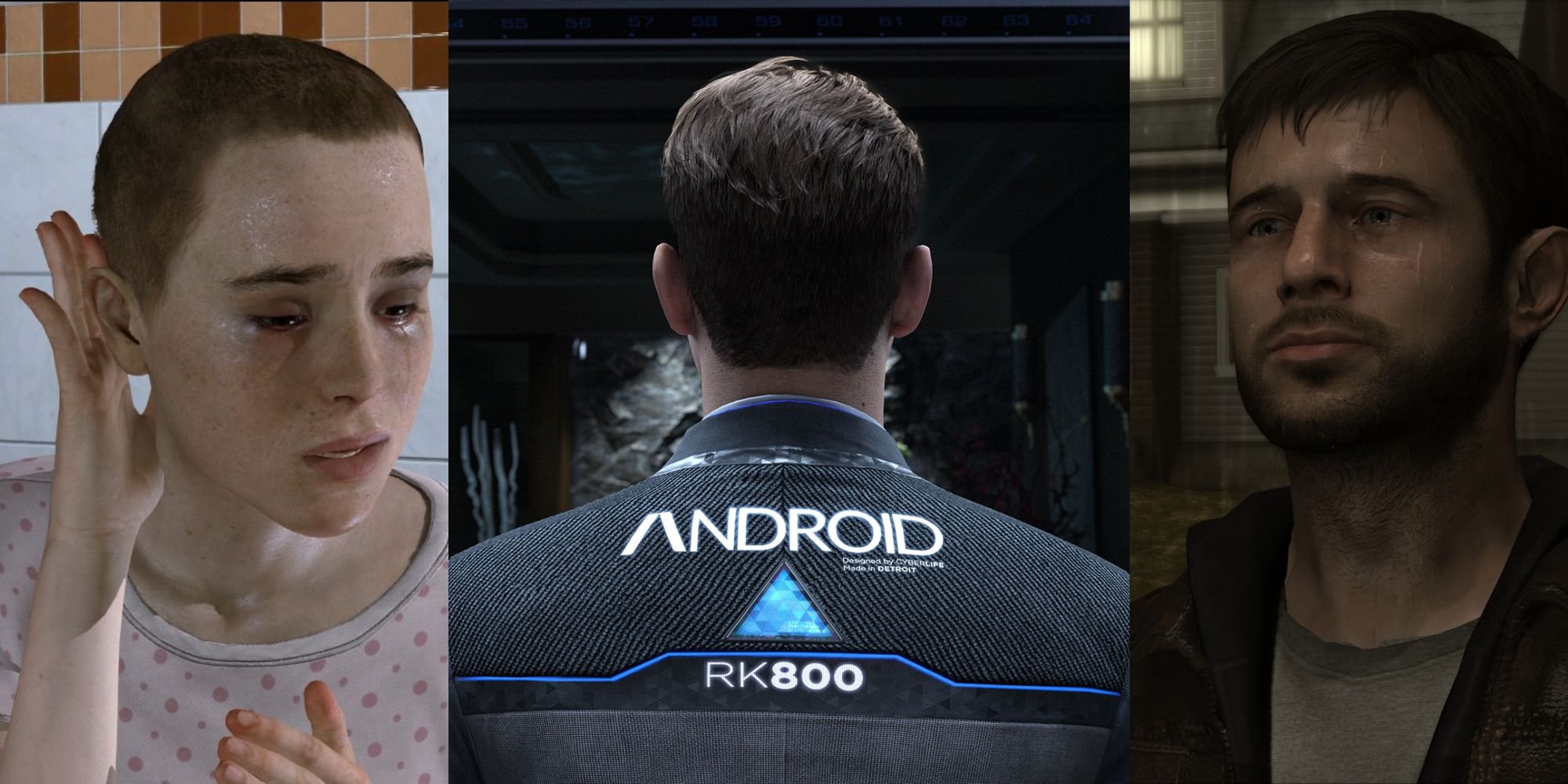
No, Quantic Dream is not done with choice games; they have stated that narrative choices remain a core part of their game design philosophy.
The gaming world often speculates about the future of its beloved studios. Lately, many have been asking if is Quantic Dream done with choice games after their shift to publishing other developers. This question is very important to many gamers.
Their recent projects might look different, but narrative-driven experiences with branching paths are very important to them. They have communicated their continued commitment to this kind of interactive story telling. We should expect to see more games where our choices matter.

Is Quantic Dream Done With Choice Games?
Quantic Dream, the game studio known for making interactive stories where your choices really matter, has been a big name in gaming for a long time. Games like Heavy Rain, Beyond: Two Souls, and Detroit: Become Human have shown us how powerful player choices can be in shaping a story. But lately, there’s been talk about whether Quantic Dream is moving away from this kind of game. Are they saying goodbye to games where our decisions change the path of the story? Let’s dive deep and look at the reasons why people are wondering if Quantic Dream is moving on from choice-driven gameplay. We will explore their past, their recent moves, and what this could mean for the future of their unique storytelling style.
A History of Choice and Consequence
To really understand why this is a hot topic, let’s take a little trip down memory lane. Quantic Dream’s bread and butter has always been the idea of “interactive drama.” They don’t just make games; they create experiences where the story bends and twists based on what the player does. It’s like reading a book where you get to decide what happens next. For many fans, this is what made Quantic Dream special. They created emotional stories where your decisions felt meaningful and had lasting effects on the characters and their world.
Heavy Rain: Setting the Stage
Heavy Rain, released in 2010, was a breakthrough for the studio. It featured a dark, gripping narrative where players navigated the investigation of a serial killer. What made it special was the high number of choices with branching paths that could result in characters dying or surviving and lead to multiple different endings. It really showed what an interactive game could do by letting players control not just actions, but also emotional outcomes. The game had a lasting impact and set the standard for interactive narratives, earning a place in history as an example of choice-based storytelling. It was not about precise shooting or super speed; it was about making a call and witnessing the direct impact.
Beyond: Two Souls: Exploring the Supernatural
Beyond: Two Souls, released in 2013, took the formula in a new direction. The game introduced a different style of gameplay and was centred on the character Jodie Holmes and her connection to an invisible entity named Aiden. It continued the focus on choices, which altered the narrative. This story was about something bigger than just solving a crime, it delved into life, death, and what it means to be connected to the supernatural. It had an element of mystery to it, and had many scenes that played out like an interactive movie where players explored different emotional layers. This game continued to explore different gameplay mechanics in narrative storytelling.
Detroit: Become Human: The Height of Branching Narratives
And then came Detroit: Become Human in 2018, widely considered the peak of Quantic Dream’s choice-driven formula. In a story centred around androids in a futuristic Detroit, every decision had the potential to make a major change. The game has many endings, each one was significantly different based on the player’s actions. This made it exciting to see just how much impact a single decision could have. Detroit was not just a story; it was a deeply personalised experience. Players felt like they were driving the direction of the narrative by making tough choices which had the potential to make them question their own opinions and ethics. It solidified Quantic Dream’s reputation as masters of games focused on player-driven stories. It really pushed the boundaries of narrative games and created a system where every choice mattered, not just the big ones.
Signs of a Shift: What’s Changing?
Now, the big question: if Quantic Dream has been so successful with these choice-heavy games, why would they consider changing direction? Well, there have been a few things that point toward a possible shift in the studio’s focus. Let’s break down what these signs are:
The Acquisition by NetEase
One important change was the acquisition of Quantic Dream by NetEase, a Chinese tech company. Now that they are owned by NetEase, they have new ownership and that may mean some strategic decisions. While the studios have said that it won’t change the studio, acquisitions like these can sometimes result in shifts in direction. It may not be obvious right away, but these things happen slowly over time. It may mean that the studio will experiment with different gameplay ideas and target a wider audience. This could involve making a few changes to their established formulas.
Focus on Star Wars Eclipse
Another point that is important to note is the announcement of Star Wars Eclipse. This game, a collaboration between Quantic Dream and Lucasfilm, is set in the High Republic era. While it’s been said that it will have the classic Quantic Dream choice-driven stories, the game is also trying to incorporate a more open world and action elements. This could indicate a desire to broaden their game scope and perhaps move away from a strict focus on interactive drama. The game may involve a wider range of gameplay mechanics than we’ve seen before from Quantic Dream games, which could mean that the narrative will be approached in a different style, meaning the choices may not be as critical as they were in the previous games. We will have to wait and see what they deliver.
Shifting Market Trends
Another factor to consider is the wider gaming market. It’s always changing, and what was popular a few years ago may not be the same today. As trends shift, gaming studios need to adapt or risk falling behind. In recent years, we have seen a massive rise in different game types, such as the battle royale genre and live-service games. These games are totally different from Quantic Dream’s style of choice-driven games. It could be the case that they are trying to reach a different audience and are trying to blend new features to attract more players. Perhaps they are looking to see where the market is going, and trying to make changes to stay relevant.
The Appeal of Choice: Why It Matters
Before we dig too much into the idea of Quantic Dream moving away from choice games, let’s take a second to acknowledge why choice in video games is so important. It’s more than just making a button press; it is about giving players control over their own stories. Choice-based games allow players to really connect with the narrative. It allows them to feel like the decisions they make are impacting the story. This creates a more immersive experience, making the player an active participant in the story instead of a passive viewer. It also increases the player’s involvement with the character development as they are involved in the choices that make the character who they are. It’s not just about winning or losing; it’s about creating a narrative that feels meaningful and unique. In addition, choice-based games also have replayability, making players want to go back and make different choices to see the alternate paths. This creates a lot more playtime, as each decision can have different outcomes. It’s about the sense of ownership of the player’s own adventure.
Emotional Investment and Connection
When we have the ability to shape a story through our choices, we become more emotionally invested in the characters and outcomes. Quantic Dream’s stories are not about simple choices; they are about tough dilemmas that force us to think about our own values. This results in players feeling a deeper connection to the experience. We can become attached to the game and its world. Because we are involved in the creation of the story, we have more ownership of it, which leads to greater emotional investment. The choices the player makes have far-reaching consequences for the story, making every action feel like it carries weight.
Replayability and Multiple Endings
One of the biggest strengths of choice-based games is their replayability. When a game has multiple paths and different endings, players are more likely to go back and play it again to try different choices and witness all of the outcomes. A game with different endings encourages players to come back and explore the other stories. Each decision can lead to dramatically different experiences, making the game fresh each time. This makes for a game that players can play over and over without getting bored. It makes players feel like they are in control of their own personal story.
The Power of Narrative Control
Choice games provide a sense of narrative control that no other type of game can give. We, as players, become the architects of the story, which means every choice has the chance to create unique stories. Quantic Dream games were designed to make us question our own values and beliefs, as we are forced to face the consequences of our actions. It’s a powerful feeling knowing that our decisions have the potential to totally reshape the story. Players enjoy the chance to shape their experiences, and this creates a deeper connection to the story. It also makes you want to see what happens when you make different choices.
Potential Future Paths for Quantic Dream
So, what might Quantic Dream’s future look like? There are several possibilities, and the studio could decide to explore a new direction while still maintaining their identity. Here are some of the paths they could potentially take:
Hybrid Approach
One possibility is that Quantic Dream will move towards a hybrid approach, blending their choice-driven style with other game elements. It may be the case that they start adding more gameplay mechanics to their formula. It could also be a move to make their games more appealing to different types of players. For example, they could add a bigger open world, which they are already trying to implement with Star Wars Eclipse. Or, they could add more combat, which we haven’t seen much of from Quantic Dream games before. A hybrid approach may keep the focus on player choices while also experimenting with new ways to interact with the story and the world.
Focusing on Specific Genres
Another possible path is for Quantic Dream to focus on specific genres. The studio may not totally abandon choice games, but they could focus on specific types of stories. For example, they could focus on more science-fiction stories or explore horror stories, or create more fantasy-based games. By focusing on specific genres, they could experiment with themes and mechanics within a familiar setting while still using their core system of choice-based narratives. This would allow them to maintain their signature storytelling style but within a more defined category.
Expanding Beyond Games
Finally, Quantic Dream could look to move beyond games altogether. They could explore opportunities in other media forms, such as TV or film. Their stories are so unique that they could easily be adapted into other media. They could also work on interactive experiences that aren’t necessarily games. They could explore projects that still use player choices but have a different function than traditional games. This could mean they could enter a market that is yet unexplored, while still keeping the focus on the unique player-driven stories that they have built their brand around.
The Importance of Adaptability
In the ever-changing world of video games, it is essential to be adaptable. Game developers can’t stay in one place for too long, and they have to evolve with the gaming trends. Studios have to listen to their audience and keep up with new technology, which means that they have to adapt. Quantic Dream has always been about taking risks and breaking boundaries, which means they might feel they have to experiment. It remains to be seen if they move away from choice-driven games completely, or if they will use their unique skills to adapt the current trends. This move may be risky, but it could also be the key to their continued success.
Quantic Dream has always been known for pushing the boundaries of narrative gaming. Whether they stick to their traditional formula, blend it with new ideas, or try something completely different, their impact on storytelling games is undeniable. The discussions about the future of choice games from the studio shows how much their games have impacted the gaming community. Whether it is the end of one era or the beginning of another, fans are eager to see the new directions that the studio might take in the future.
Quantic Dream Collection Games In Order! #beyondtwosouls #detroitbecomehuman #heavyrain
Final Thoughts
Quantic Dream’s recent moves signal a shift away from their established choice-driven narratives. Their focus seems to be expanding to other genres. This change presents a different future direction for the studio.
The acquisition and focus on new types of games suggest that their emphasis has shifted. This brings us to the main question: is quantic dream done with choice games? Their latest titles indicate a potential move away, although it isn’t certain. It is a must to acknowledge that this change is noticeable.

