
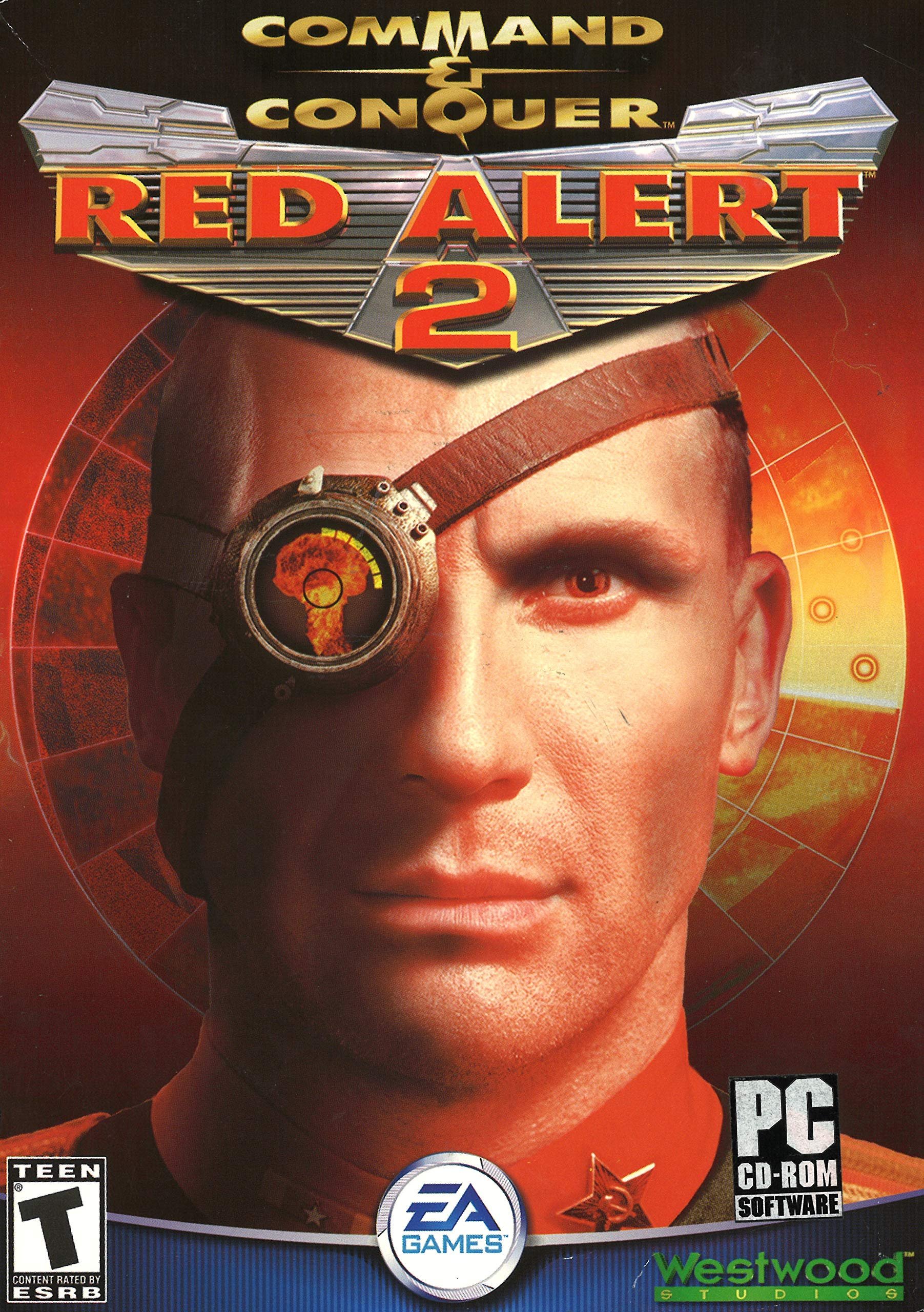
No definitive data proves Red Alert 2 is the most pirated game ever, though its widespread distribution through unofficial channels is undeniable.
The echoes of dial-up modems and illicit CD-ROM swaps still linger when we talk about classic PC games. Many remember the era of shared game copies, sparking a fascinating question: is Red Alert 2 the most pirated game ever? The game definitely enjoyed a huge popularity, but accurately tracking digital piracy from the past is tricky.
Quantifying such activities from that time isn’t an exact science, relying more on anecdotal evidence than concrete figures. We can safely say it was incredibly popular amongst players using these means.

Is Red Alert 2 the Most Pirated Game Ever?
The question of whether Red Alert 2 is the most pirated game ever is a complex one. It’s not easy to say for sure, as precise data on software piracy is difficult to obtain. However, Red Alert 2 definitely holds a strong position in the conversation. This game, released in 2000, captivated many with its fast-paced strategy gameplay, humorous cutscenes, and memorable characters. Its popularity, coupled with the ease of digital file sharing at the time, created a perfect storm for widespread piracy.
The Perfect Storm: Why Red Alert 2 Was Ripe for Piracy
Several factors contributed to Red Alert 2’s susceptibility to piracy. Let’s break them down:
Initial Popularity and Wide Appeal
Red Alert 2 wasn’t just another real-time strategy (RTS) game; it was a cultural phenomenon. The game’s distinctive art style, combined with its accessible gameplay, appealed to a broad audience. It wasn’t just for hardcore strategy fans; it was something many people wanted to play, leading to more potential targets for piracy. The game was simple enough to learn but also offered a good amount of depth for serious players.
The Rise of Peer-to-Peer File Sharing
The early 2000s were the wild west of the internet when it came to file sharing. Services like Napster, Kazaa, and Limewire made it ridiculously simple for people to share files, including games. Red Alert 2 was available on these platforms shortly after release and quickly become one of the most downloaded and shared games. This ease of access significantly fueled its piracy.
Limited Anti-Piracy Measures at the Time
Compared to today’s technology, anti-piracy methods in 2000 were quite rudimentary. Copy protection was fairly easy to bypass, and the online systems to verify game ownership were not as advanced. This left the door wide open for pirates to copy and distribute the game with relatively little resistance. The CD-keys provided were also easily leaked online, further exacerbating the issue. Game publishers were just starting to grapple with the challenge of online piracy, making games like Red Alert 2 vulnerable.
Lack of Digital Distribution Platforms
Back then, platforms like Steam or GOG didn’t exist. People mostly bought games from stores in physical copies which means a cd. It was harder to access the game legally, especially for people outside of the main regions. If you were in some areas, it could have been more expensive or difficult to get the game legally. Piracy offered a more easily accessible and affordable alternative. This lack of legal digital distribution meant there was a demand that piracy quickly filled.
How Red Alert 2 Was Typically Pirated
The methods of pirating Red Alert 2 were relatively straightforward, reflecting the technology of the time. Here’s a typical scenario:
- File Sharing: People would download the game files from file-sharing programs like Kazaa, eDonkey or torrent sites.
- CD-Key Generators: Pirates shared CD keys online or developed “keygens,” software that could generate valid CD keys, so you wouldn’t have to buy the original product and could install and play the game without any issues.
- No-CD Cracks: These were modified versions of the game’s main executable file. These “cracks” allowed the game to run without needing the original CD-ROM to be inserted into the computer, making the process of playing a pirated copy a lot easier.
- Peer to Peer Distribution : People would often copy and distribute the game to friends or others at LAN parties, which were very popular at the time.
The Impact of Red Alert 2 Piracy
While it’s impossible to know the exact numbers of pirated copies, the impact of the piracy on Red Alert 2 is clear:
Lost Revenue for Westwood Studios and EA
The publisher and developers of the game missed out on a lot of money. Every pirated copy was a lost sale. The massive scale of piracy definitely affected their bottom line and likely influenced future decisions about the franchise. This lost income could have been reinvested into further development of games.
A Culture of Piracy
The ease of pirating Red Alert 2 created a culture of acceptance when it came to piracy. Many people didn’t think about the issue and just focused on playing the game. This had a lasting impact on the gaming industry, as it showed how easily digital media could be copied and distributed.
The Rise of Online Gaming
Even with piracy, many people were playing Red Alert 2 online. This helped to boost the popularity of online gaming, but also created issues, such as people using pirated copies to cheat or gain unfair advantages over people playing with a legal copy of the game. Online services would occasionally check if the CD keys that people were using to log into the game were valid, but this process was not perfect.
Red Alert 2 Compared to Other Highly Pirated Games
While Red Alert 2 is a strong contender for the most pirated title, it’s worth looking at other games from that era that were also heavily pirated. It can be difficult to determine which game was “the most” pirated because there are no actual numbers. But we can discuss some key contenders and why they are also in this discussion.
The Sims
The original Sims game was also extremely popular and heavily pirated. Like Red Alert 2, its appeal to a wide audience, combined with the rise of file-sharing networks, made it a prime target. The game’s expansion packs were also pirated extensively. The Sims’s massive popularity made it an easy target.
Counter-Strike 1.6
This multiplayer first-person shooter became incredibly popular in the early 2000s. The ease of copying the game and setting up local area network (LAN) servers helped make it very popular in countries where access to computers and the internet was limited. Its status as a popular multiplayer game meant many people would seek out ways to play the game without buying it.
Diablo II
Another incredibly popular game from Blizzard, Diablo II saw massive piracy, especially because its multiplayer aspects made it attractive to copy and play among friend groups. The use of LAN play for multiplayer was a common point of interest for those who wanted to play without spending money, this made the distribution of pirated copies of the game very widespread.
Grand Theft Auto III and Vice City
The Grand Theft Auto games from this time also suffered from mass piracy. The big open world and the freedom these games offered made them really popular. The amount of time people spent playing these games, along with their popularity made these prime targets for pirates.
The Evolution of Piracy and Anti-Piracy Measures
While Red Alert 2 may have been a victim of piracy in the early 2000s, the battle against piracy has evolved significantly since then.
Digital Distribution and DRM
The rise of digital platforms like Steam, Origin, and GOG has significantly changed the way games are bought and distributed. These platforms have built-in anti-piracy measures, also known as Digital Rights Management (DRM), which makes it harder to play pirated games. DRM tries to prevent unauthorized access and distribution of a software, however it isn’t perfect.
Online Activation and Verification
Today, most games require online activation, meaning users have to verify that their copy is legitimate with the game’s server. This makes it much more difficult to run pirated games. However, pirates continually look for methods to bypass these checks.
Always-Online Games
Many modern games require an always-online connection to play, even in single-player mode. This acts as a form of DRM, since users need to be constantly connected to servers to verify the validity of their games. While this reduces piracy, it can also be inconvenient for players who experience internet connectivity problems. Also, this approach can cause concerns about the control that the game companies have over their players.
Subscription Services
Subscription services like Xbox Game Pass and PlayStation Plus offer a way for players to access a wide library of games for a monthly fee. This model can provide an alternative to piracy by making games more affordable, while at the same time providing revenue to the developers. However, some players may not wish to subscribe and would still seek methods to play games without paying.
The Legacy of Red Alert 2
Even with the piracy it faced, Red Alert 2 has a legacy as a beloved game and still has a dedicated fanbase to this day. Many people have fond memories of playing the game, and it continues to inspire new real-time strategy games. It also serves as a good reminder of how the early 2000s were a difficult time for game developers with regards to piracy. The game’s legacy also includes a modding community that has kept the game alive for years. These mods often improve the game’s mechanics or add new content that is unavailable in the original release.
While it may not be possible to definitively say that Red Alert 2 is the most pirated game ever, its story serves as an important case study in the impact of file-sharing during the early days of digital distribution. Its popularity, combined with the ease of piracy at the time, undoubtedly put the game on a list of heavily pirated games. The issues with the game also lead to the development of new methods of anti-piracy methods and ways of distributing games. Ultimately, the legacy of Red Alert 2 extends beyond just the game itself, it also acts as a reminder of the evolution of the video game industry.
Conscripts vs Gi's Deployed – Same Cost – Red Alert 2
Final Thoughts
While definitive data is scarce, Red Alert 2’s age and popularity make it a prime candidate for widespread piracy. Numerous factors contribute, including its enduring appeal and ease of access online. The game’s availability on abandonedware sites certainly fuels this.
So, is Red Alert 2 the most pirated game ever? It’s difficult to say with certainty, but its status as a popular choice for illicit downloading is undeniable. The game must be considered a significant example of software piracy.

