
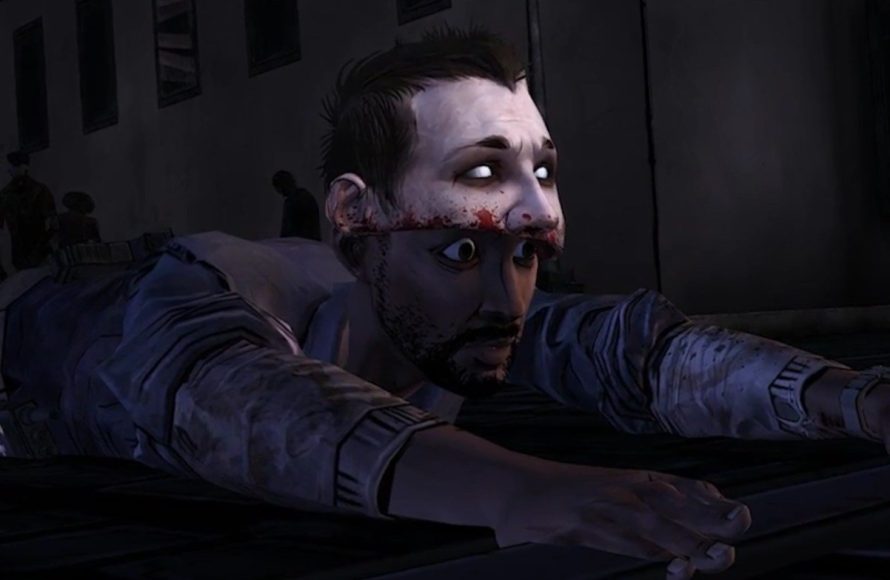
Yes, the Walking Dead game is considered canon within the overall Walking Dead franchise.
The question constantly surfaces among fans: is the walking dead game canon? It’s a fair inquiry, considering the various mediums this story spans. We see the comics, the TV series, and of course, the critically acclaimed telltale games. The good news is that despite having different narratives, the game’s story does exist within the same universe.
Therefore, the events and characters encountered in the Telltale games are accepted as part of the larger canonical Walking Dead world. This allows for a richer and deeper experience for those invested in the whole franchise.

Is The Walking Dead Game Canon?
Let’s dive into a question that many fans of both The Walking Dead comics and the popular video game series have asked: Is the Telltale’s The Walking Dead game canon within the larger universe of Robert Kirkman’s creation? The answer, while not a simple yes or no, has a lot of interesting layers. We will explore the game’s relationship to the comics, TV show, and its own unique storyline. By exploring these connections and differences, we can better understand where the game fits into the broader world of walkers and survivors.
The Core of the Question: What Does “Canon” Actually Mean?
Before we can decide if the Walking Dead game is canon, we need to know what “canon” means. In simple words, canon refers to the official story. It’s the main plotline and events that are considered true and part of the established narrative. In the world of The Walking Dead, this primarily comes from Robert Kirkman’s comic book series. When something is considered canon, it means that future stories should follow the events that have already been established without creating contradictions. Basically, things that happened in canon stay happened. It’s like the rulebook for the whole series. Now that we have a better understanding of what canon means, let’s look at where the game fits.
The Comic Book Foundation
Robert Kirkman created The Walking Dead as a comic book series. This comic is the core of the entire franchise, serving as the main source material. All other Walking Dead stories, whether they’re on TV, in video games, or novels, are inspired by this original series. The comic book establishes the universe, the rules of the zombie apocalypse, and the overall story. Characters, events, and themes originate in the comic book and often influence the other adaptations, although some adaptations might make changes to fit their particular format and narrative needs.
The TV Show: An Adaptation, Not a Direct Translation
The Walking Dead TV show is a popular adaptation of the comic books, but it’s not a direct, panel-by-panel recreation. While the show borrows many characters and plot points from the comics, it also makes significant changes. These alterations often introduce new storylines, characters, and outcomes. Some characters who die in the comics live longer in the show (and vice versa), and the timeline of events can be altered. Think of it like a retelling of the same story, but with a different flavor. Because of these changes, the TV show isn’t exactly considered canon in the context of the comic books. It stands as its own adaptation of the central story, with its own set of narrative rules.
Telltale’s The Walking Dead Games: A Story in the Same World
Now, where do the games fit in all this? Telltale Games’ The Walking Dead is special because, unlike the TV show, it doesn’t try to adapt the comic’s main plot. Instead, it tells new stories with its own unique characters, while set in the same universe. It follows the rules and established world of the comic books, but crafts its own independent narratives. The games feature characters like Lee and Clementine, who aren’t part of the comic book storyline. Their story is not a retelling of anything in the comics, but it exists inside the same world. This means the game doesn’t directly contradict the comics, but it doesn’t directly advance the main comic book narrative either. Let’s explore this more.
Key Differences: The Game’s Narrative Independence
One important thing to understand is that the game’s story focuses on new characters. Lee Everett, the main character in the first season, and Clementine, who is the main character in later seasons, are original characters created for the game. Their experiences, choices, and relationships make up the core of the game’s narrative. The choices players make in the game can drastically affect the story, which makes each playthrough unique. This element of player-driven story is not something you see in the comics, which has a fixed story. The game does intersect with the comic world in small ways, like places we see, and references to things mentioned, but it’s more like a parallel story happening in the same overall universe.
Intersections and Shared Lore
While the game doesn’t directly follow the comic’s plot, it doesn’t operate in a vacuum either. The game uses many of the same rules and elements from the comic universe. The types of zombies, the methods of survival, and the overall post-apocalyptic setting are all consistent. There are instances where characters from the game encounter locations or even mention places that are known from the comics. For example, some characters briefly mention the events in Atlanta from the comics, but it’s never the central focus. This helps the game feel like a genuine part of the same world, even though the main story is different. You might spot a Walker that looks like a Walker from the comics, or a small easter egg that points to the comic series, which keeps you connected to the world created by Robert Kirkman. This creates a great shared experience for fans of The Walking Dead, but it also shows that the game is its own distinct story.
Canon and Continuity: How it All Fits Together
So, with all of this in mind, is the game canon? The answer is, it’s complicated. The game isn’t primary canon like the comic series. It’s not advancing or making changes to the core comic book story. However, it’s also not considered non-canon because it doesn’t contradict anything established in the comic book series. Think of it as “secondary canon” or a story that exists in the same universe. A helpful way to think about it is like this:
- Primary Canon: The core narrative, established by the comic books. The central timeline and events.
- Secondary Canon: Stories that exist inside the same world as the primary canon, follow the rules, and do not contradict the primary canon, but do not advance the main storyline. This is where Telltale’s games live.
- Non-Canon: Stories that do not follow the established universe or contradict existing canon. This doesn’t really exist in the Walking Dead universe, as even the TV show is viewed more as an “adaptation” than something that outright goes against the main canon.
The Game’s Impact on the Overall Narrative
While the game isn’t advancing the main comic story, it is really important in expanding the universe. It shows us what’s happening in other places during the outbreak. The games give a close look into different survivor groups, and we see how people react to the apocalypse outside of the main comic series’ story. The relationships and challenges characters face in the game give more depth to the Walking Dead universe. Clementine’s journey is very popular with the fans, and even though it’s not in the comics, it has become an important part of the overall Walking Dead story for many. The game helps expand the scope of this universe by showing different kinds of survivors and the many unique perspectives of this apocalypse.
Player Choice and Canon
A big part of what makes the game so fun is the choices players make. But, how does player choice fit into the concept of canon? Because players make different decisions, this creates slightly different stories each time you play the game. This means that there isn’t one single “canon” playthrough of the game. Instead, it’s viewed that regardless of your choices, the game still takes place within the established world, and every player experience is their own unique “story” within that world. This means no player decision is ‘wrong’, they simply alter the game’s path. This doesn’t impact the larger canon at all.
The Importance of the Game’s Themes
Even though the game isn’t adding to the main comic story, it does echo many of the core themes of The Walking Dead. It deals with survival, moral choices, and the hard decisions people have to make when faced with danger. Just like in the comics, there isn’t an easy “right” answer in many situations, and the game forces the players to deal with these hard choices and the consequences of their actions. These hard choices emphasize character development and the struggles of moral ambiguities. The game adds to the thematic exploration of the human condition during extreme situations. In the end, the game gives a different way of exploring the same core ideas as the comic book series.
Expanding the Universe Through Different Perspectives
The game provides a valuable look at the apocalypse through the eyes of different characters. In the comics, we mainly see things through Rick Grimes’ perspective. But in the games, we get to see a wide variety of people and their challenges. This gives more depth to the Walking Dead world by showcasing different cultures, communities, and personal challenges during this outbreak. This diversity enhances the larger story and reminds us that the apocalypse affected people all over in so many different ways. These different points of view make the overall Walking Dead world richer and more interesting.
Another important point about The Walking Dead games is that Telltale Games did a great job of capturing the feeling and style of the comics, while maintaining its unique identity. The game makes use of a cel-shaded art style similar to the comic books, and the choices and dialogue all make it feel like it belongs in the Walking Dead universe. It is a different way of experiencing the same world, but it’s clear the creators had a lot of love and respect for the original work. This helps make the experience more immersive and engaging, and it makes the story and characters feel much more real. The overall feeling of the Walking Dead story is still intact, even though it tells a new story.
So, is The Walking Dead game canon? In a primary sense, no, it doesn’t alter the main storyline from Robert Kirkman’s comics. It doesn’t advance the main comic plot, nor does it contradict it. However, the game is considered a part of the same overall universe as a “secondary canon” story. It gives new characters and a new story within that world, while staying true to the rules and themes of The Walking Dead. This means the game should not be considered non-canon either. It’s an expansion of the story through a different perspective and style, which many fans have come to appreciate. Ultimately, Telltale’s The Walking Dead is a great example of how to add to an existing universe in a meaningful way, giving fans a deeper look into the rich world created by the original source material. It is a wonderful story to experience that greatly complements the comic and expands the overall universe.
RANKING THE WALKING DEAD TELLTALE GAMES
Final Thoughts
The Walking Dead game exists within its own narrative space, diverging from the main comic series and TV show. While sharing characters and the established apocalypse, the game tells a distinct story. This means its events, specifically concerning Clementine and her journey, do not directly impact or get acknowledged in other versions of the franchise.
Therefore, ‘is the walking dead game canon’ is a nuanced question. It possesses a must stand alone storyline, adding to the overall mythos but not a core part of the established canon across all media.

