
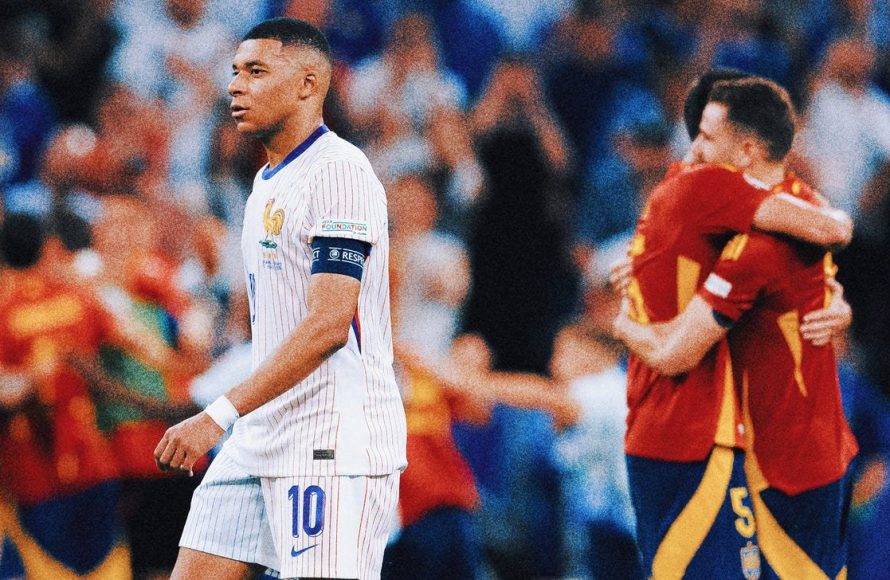
No, there is not a third place game in the Euros.
Many fans eagerly anticipate the culmination of major tournaments. But one question that often surfaces, is there a third place game in the Euros? The answer, surprisingly, is no. Unlike some other competitions, the European Championship focuses solely on the final two teams battling for the championship title.
The absence of a third-place play-off means that after the semi-finals, attention immediately shifts to the grand final. This structure creates a clear path to the final, highlighting the prestige of the ultimate match. Therefore, the competition places its emphasis squarely on who will be the ultimate winner.

Is There a Third Place Game in the Euros?
Okay, so you’re probably wondering, “Does the Euros have a third-place playoff game?” It’s a great question, especially if you’re new to the tournament or just want a quick refresher. The short answer? Nope, there isn’t one anymore. But let’s dive into why and explore the history of third-place matches in the Euros, because they weren’t always absent. It’s kind of a cool story. So, grab your favorite snack, settle in, and let’s talk all things Euros and third-place games.
The Evolution of the Euros Tournament
To really get why there isn’t a third place game now, it helps to know how the European Championship has changed over time. It hasn’t always been the same tournament we know and love today. The format has been adjusted several times. These changes have impacted many things, including the presence of a third-place match. Early editions were pretty small, with just a few teams duking it out. As popularity grew, more countries wanted to participate, which meant the tournament had to expand and adapt to welcome them all. This expansion also led to different match formats.
Early Years and the Third-Place Match
In the early days of the Euros, the third-place playoff was actually a thing! For the first six editions, from 1960 to 1980, the tournament used to feature a third-place match. This match was played between the two losing teams from the semi-finals. It gave those teams one last chance to prove themselves and secure a bronze medal before the tournament ended. Imagine the drama for the fans, a last chance to go home with a prize, albeit not the ultimate prize. It added another element of competition and excitement.
Here’s a quick look at those early tournaments that featured a third-place playoff:
- 1960: Czechoslovakia defeated France to take third place
- 1964: Hungary defeated Denmark
- 1968: England defeated the Soviet Union
- 1972: Belgium defeated Hungary
- 1976: Netherlands defeated Yugoslavia
- 1980: Czechoslovakia defeated Italy
These games weren’t just meaningless matches. They offered a platform for teams to compete for a spot on the podium, even if they didn’t make it to the final. They gave fans one more game to enjoy. These games also gave players experience playing on a big stage.
The Disappearance of the Third-Place Playoff
After the 1980 tournament, something changed and it wasn’t the rule changes of offside or anything like that. The Euros decided to cut the third-place match from the schedule. The tournament had continued to evolve, and with the increasing number of participating teams and the need for a more streamlined schedule, the third place match was removed.
Why did they get rid of it? Well, there were a few reasons. First off, many people thought these matches didn’t really have much at stake. It wasn’t the big final, and teams and fans weren’t as invested in a game for the bronze as they were for the cup itself. It often lacked the same excitement and intensity as the other stages of the tournament. Secondly, the tournament’s schedule was tight and organizing an extra match was deemed unnecessary. With the expansion of the tournament and the need to complete it within a specific time frame, something had to go.
Without the third-place match, the tournament focus sharpens. All attention is on the final. This makes the final even more special and significant. The Euros committee decided this structure served the tournament better.
Current Structure of the Euros
So, now that we know about the history, let’s look at how the Euros works currently, especially concerning the knockout rounds. Today, the tournament features a group stage, followed by a series of knockout games. Here’s a quick rundown:
- Group Stage: Teams are divided into groups, and they play each other. The top teams move on to the next stage.
- Round of 16: The best teams from the group stage go head-to-head in a knockout round.
- Quarter-Finals: The winners of the Round of 16 compete for a spot in the semi-finals.
- Semi-Finals: The winners of the Quarter-Finals go head-to-head.
- Final: The two winning teams from the Semi-Finals face off in the final.
As you can see, there’s no space in this current format for a third-place game. Once the semi-finals are over, the focus is entirely on the final match, which decides who wins the prestigious trophy. The losers of the semi finals do not play each other for third.
The Impact of No Third-Place Match
The absence of a third-place game has had some interesting effects. Some people argue that a third-place match would give fans one more game to enjoy and provide an opportunity for teams to demonstrate their skills. It’s a way to end the tournament on a more positive note, even for teams who don’t make it to the final. However, most fans and experts agree that focusing entirely on the final increases its importance. It makes the final a bigger event because no other game is competing for the spotlight. The stakes are higher, and all eyes are on the final two teams.
Also, without a third-place match, teams that don’t make it to the final usually have less pressure. They can go home to prepare for the next football tournament and not be obligated to play another game with less impact. This can allow them time to regroup, plan, and rest their players. They don’t have to worry about putting in extra work and risk injuries just for a game with no substantial trophy on the line.
Why There Probably Won’t Be a Third-Place Game Again
Is there any chance that the Euros will bring back the third-place game? Probably not, and here’s why. The current tournament format is generally well-liked. It’s designed for drama and intense competition, which build up to an exciting final. The format also helps keep the tournament running smoothly with its set schedule. Adding an extra game could cause scheduling challenges and take away from the intensity of the final match. There is also the issue of player rest and recovery. Adding a third-place match would require players and teams to exert more energy during an already packed tournament schedule.
Another key reason that third-place games are gone is the fact that they didn’t produce large amounts of revenue. They did not draw the same amount of viewers, media attention, and sponsor interest, that the more competitive matches draw. It is a fact that the focus is more on the final. Fans and sponsors are more interested in the final of the tournament, as it is the deciding game, rather than the third-place game, which has less at stake.
A Look at Other Major Tournaments
The Euros isn’t the only major football tournament that has moved away from third-place playoffs. The FIFA World Cup, for example, also used to have third-place matches but has done away with them in recent times. The reasoning behind this move is similar; to give more focus to the final. It seems like third place games are becoming a thing of the past in global football.
The trend seems clear that football tournament organizers are prioritizing the final match as the main focus. It creates a clear path with the aim of winning it all. It’s a formula that works well for generating interest and excitement.
The Current Focus
Even without the third-place match, the Euros remain a thrilling and captivating football tournament. It is one of the most anticipated events in the footballing calendar. The current format places great importance on every game of the tournament, from the first group stage match to the final. The stakes are high, and every win can make a big difference. That is the type of drama and competition that keeps football fans interested and invested in the Euros.
The current knockout format, while it doesn’t give teams a chance to compete for third place, provides a very competitive route that allows the best teams to advance to the final. These teams have been tested along the way, and they are truly deserving to be playing in the final.
While some fans might miss the third-place game, the tournament has done well to adapt, focusing on a clear goal of reaching the final and winning the prestigious trophy. This has kept it at the top of international footballing events.
So, while we might look back fondly at the days when there was a third place match in the Euros, the current tournament is better focused and streamlined. This format has served well to keep fans interested and engaged. The Euros remain one of the most loved football tournaments in the world, and its thrilling matches will continue to attract viewers across the globe.
Why there isn't a 3rd place game in EUROS ?! #football
Final Thoughts
The Euro tournament does not feature a third-place playoff. This means teams eliminated in the semi-finals do not play an additional game. The competition moves directly to the final after the semi-final stage.
So, to answer directly, is there a third place game in the euros? No, there isn’t. The focus remains firmly on the two finalists to determine the ultimate champion.

