
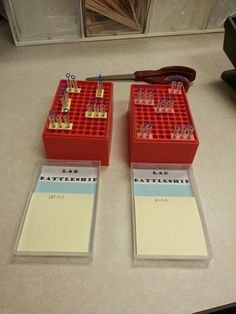
Fun lab week game ideas include trivia about lab procedures, a microscope slide scavenger hunt, or a “guess the lab instrument” challenge.
Here’s the requested response:
Lab week is approaching! Are you ready to inject some fun and engagement into your team’s celebration? It’s a fantastic opportunity to boost morale and foster camaraderie.
We all know that a little friendly competition can make the week extra special. This article provides some great lab week game ideas to help you create a memorable and enjoyable lab week experience.

Lab Week Game Ideas
Lab Week is the perfect time to celebrate the hard work and dedication of laboratory professionals! Injecting some fun into the week with engaging games and activities can boost morale and foster teamwork. These game ideas are designed to be entertaining, educational, and appropriate for a variety of lab settings.
Trivia Games
Trivia is a classic and versatile game that can be easily tailored to specific lab disciplines. You can focus on general laboratory knowledge or delve into specialized areas like microbiology, hematology, or chemistry. Consider awarding small prizes to the winners to increase engagement.
- General Lab Knowledge Trivia: Questions cover common lab procedures, safety protocols, and equipment usage.
- Microbiology Trivia: This focuses on microorganisms, identification methods, and antibiotic resistance.
- Hematology Trivia: Questions revolve around blood cells, coagulation, and blood disorders.
- Chemistry Trivia: Testing knowledge of chemical reactions, lab assays, and quality control.
Lab Safety Bingo
This game reinforces important safety protocols in a fun and memorable way. Create bingo cards with various safety procedures and equipment listed. Call out different scenarios or questions related to lab safety.
Have participants mark their cards accordingly. The first person to get bingo wins a prize!
- Safety Scenario Examples: Describe situations requiring specific PPE or procedures.
- Equipment Identification: Call out equipment names and have participants identify them on their cards.
- Consequence Questions: Ask about the consequences of not following safety protocols.
“Name That Microbe” Game
This game tests the team’s knowledge of common and uncommon microorganisms. Use pictures or descriptions of microbes, and have participants identify them. This is especially relevant for microbiology labs.
Consider using a projector or whiteboard to display the images. You can also use prepared slides under a microscope.
- Image-Based Identification: Show microscopic images of different microbes.
- Description-Based Identification: Provide descriptions of microbe characteristics and growth patterns.
- Gram Stain Identification: Use Gram stain results to help participants identify bacteria.
“Spot the Error” Quality Control Challenge
This game sharpens attention to detail and emphasizes the importance of quality control. Present participants with lab reports, data sets, or images containing deliberate errors. Have them identify and correct the errors.
This can involve identifying incorrect units, mismatched data, or improperly labeled samples. This is a great way to reinforce accuracy and precision.
- Data Entry Errors: Include incorrect data entries in lab reports or spreadsheets.
- Labeling Errors: Present improperly labeled samples or reagents.
- Procedure Errors: Depict incorrect procedures in images or descriptions.
Lab-Themed Pictionary or Charades
These classic games can be adapted to a lab setting for some lighthearted fun. Have participants act out or draw lab-related terms, equipment, or procedures. This promotes creativity and communication.
This can get the team laughing and working together. Prepare a list of lab-related words and phrases beforehand.
- Equipment Charades: Act out using a microscope, centrifuge, or other lab equipment.
- Procedure Pictionary: Draw a blood draw, Gram stain, or other lab procedure.
- Reagent Charades: Act out common reagents like bleach or alcohol.
Escape Room Challenge (Lab Edition)
Create a mock “escape room” within the lab (or a designated area). Participants must solve lab-related puzzles, riddles, and challenges to “escape.” This is a more elaborate activity that promotes teamwork and problem-solving.
The puzzles can involve interpreting lab data, identifying chemicals, or following specific procedures. Make the challenges age appropriate for your team.
- Puzzle Examples: Use chemical equations, microscopic images, or simulated lab results as part of the puzzles.
- Riddle Examples: Create lab-themed riddles with clues related to reagents or procedures.
- Challenge Examples: Tasks like accurately measuring a solution or identifying a specific cell type.
Lab Olympics
Organize a series of mini-games that test different lab skills. These can include tasks like pipetting accuracy, slide preparation, and quick identification challenges. Award medals or prizes to the winners of each event.
This is a great way to create some friendly competition. Choose activities that are safe and appropriate for the lab environment.
- Pipetting Accuracy Challenge: Participants must accurately pipette specific volumes of liquid.
- Slide Preparation Challenge: Participants must prepare high-quality slides for microscopy.
- Identification Challenge: Quickly identify cell types or other lab specimens.
“Guess the Reagent” Sensory Test
This game tests participants’ knowledge of different reagents through their sense of smell or sight (with proper safety precautions). Blindfold participants and have them identify different reagents based on their characteristics. This requires careful planning and adherence to safety protocols.
Ensure that all reagents used are safe for sensory testing in small amounts. Have a designated safety officer present.
- Smell Test: Identify reagents based on their characteristic odors (e.g., alcohol, vinegar).
- Sight Test: Identify reagents based on their color or appearance (e.g., iodine, copper sulfate).
- Texture Test: (With gloves) Identify solids based on texture.
Lab Coat Decorating Contest
Provide lab coats and decorating supplies, and have participants decorate their coats with lab-themed designs. This is a fun and creative activity that allows for personal expression. Display the decorated lab coats for all to admire.
The designs can reflect individual interests or lab specialties. Award prizes for the most creative, humorous, or technically accurate designs.
- Themed Categories: Suggest themes like “Microscopic Worlds,” “Lab Safety Superheroes,” or “Future of the Lab.”
- Supply Suggestions: Provide fabric markers, paint, stencils, and other decorating materials.
- Display Options: Hang the decorated lab coats in a prominent location in the lab.
Lab-Themed Word Search or Crossword Puzzles
Create word search or crossword puzzles with lab-related terms and definitions. These are great for quiet moments and can be easily distributed. This can be a good way to passively reinforce lab vocabulary.
Offer different levels of difficulty to cater to varying levels of experience. You can easily find online tools to create custom puzzles.
- Difficulty Levels: Create puzzles for beginners, intermediate, and advanced players.
- Puzzle Themes: Focus on specific areas like microbiology, chemistry, or hematology.
- Online Resources: Use online puzzle generators to create custom puzzles quickly.
Celebrating Different Lab Sections with Games
Different sections of the lab can organize their own specific game activities to enhance teamwork within their specific areas of expertise. This adds personalized fun to the celebrations. Each section can choose a game to do as a group.
These games can revolve around the typical daily activities performed in that section. It will boost morale and provide a friendly competitive environment.
Hematology Section Game
For the hematology department, a game could be about counting cells or identifying different anomalies in blood smears. This can be done using digital slides or actual slides under a microscope.
Participants can compete individually or in teams. The team that has the most accurate count or identification wins.
- Cell Morphology Challenge: Identify various blood cell abnormalities.
- Automated Cell Counter Simulation: Interpret data from a simulated cell counter.
Microbiology Section Game
The microbiology section can organize a game that involves identifying unknown bacteria from culture plates. This can also involve performing antibiotic sensitivity tests.
Teams can compete to identify the bacteria and determine the correct antibiotic. This game enhances the knowledge of the staff about the different organisms and their sensitivities.
- Gram Stain Challenge: Properly perform and interpret a Gram stain.
- Culture Identification Relay: A relay race where team members identify different bacterial cultures.
Chemistry Section Game
The chemistry section can play a game around quality control results or identifying different analytes. This game would test their understanding of the different chemical reactions in the lab.
This can involve solving case studies or identifying errors in lab results. It will enhance their knowledge of the subject matter.
- Quality Control Troubleshooting: Identify and correct errors in quality control data.
- Analyte Identification Game: Identify different analytes based on their reactions or properties.
Virtual Lab Week Games for Remote Teams
Even if your team is working remotely, you can still participate in Lab Week games. Virtual trivia, online escape rooms, and digital versions of pictionary can be fun and engaging. Use video conferencing to facilitate the games and maintain team connection.
These games can keep the spirit of Lab Week alive. It will help everyone feel part of the team even when separated.
- Virtual Trivia: Use online trivia platforms to host lab-themed trivia games.
- Online Escape Rooms: Participate in virtual escape rooms designed for teams.
- Digital Pictionary: Use online whiteboards to play pictionary with lab-related terms.
Creating Your Own Lab Week Game
Don’t be afraid to get creative and develop your own unique lab week games. Consider the specific skills and knowledge you want to reinforce, as well as the interests of your team. The most important thing is to create a fun and engaging experience for everyone.
Involving your team in the planning process can also increase participation and enthusiasm. Brainstorm game ideas together and let team members contribute their expertise.
- Skill-Based Games: Design games that test specific lab skills like microscopy, pipetting, or data analysis.
- Knowledge-Based Games: Create games that reinforce lab knowledge in specific areas like microbiology, hematology, or chemistry.
- Fun-Focused Games: Design games that are simply fun and engaging, even if they don’t directly relate to lab work.
The Importance of Prizes and Recognition
Offering prizes or recognition for game winners can boost participation and motivation. Prizes don’t have to be expensive; small gifts, gift cards, or even bragging rights can be effective. Recognizing participants’ contributions and achievements can also foster a sense of appreciation and teamwork.
The prizes should be things that your team would enjoy. The more creative the better!
- Prize Ideas: Gift cards, lab-themed merchandise, extra vacation day, or a catered lunch.
- Recognition Ideas: Certificates of achievement, shout-outs in team meetings, or a feature in the lab newsletter.
- Team Prizes: For team-based games, consider awarding a team prize like a pizza party or a group outing.
Ensuring Inclusivity in Lab Week Games
When planning Lab Week games, make sure to be inclusive and considerate of all team members. Choose games that are accessible to individuals with different abilities and backgrounds. Avoid games that could be offensive or exclusionary.
Create a welcoming and supportive environment where everyone feels comfortable participating. Adapt games based on the skills and experience levels of your staff.
- Accessibility Considerations: Ensure that games are accessible to individuals with disabilities.
- Cultural Sensitivity: Avoid games that could be offensive or insensitive to different cultures.
- Skill Level Adjustments: Adapt games to accommodate different skill levels and experience.
Best lab games ever?
Final Thoughts
Ultimately, successful Lab Week celebrations create engaging experiences. These ideas promote teamwork and a bit of friendly competition.
Lab week game ideas like trivia contests and sample identification challenges offer fun ways to learn. You must try incorporating these playful activities!
Bring your team closer and boost morale with these exciting ideas. These fun games create memorable and enjoyable lab week!

