
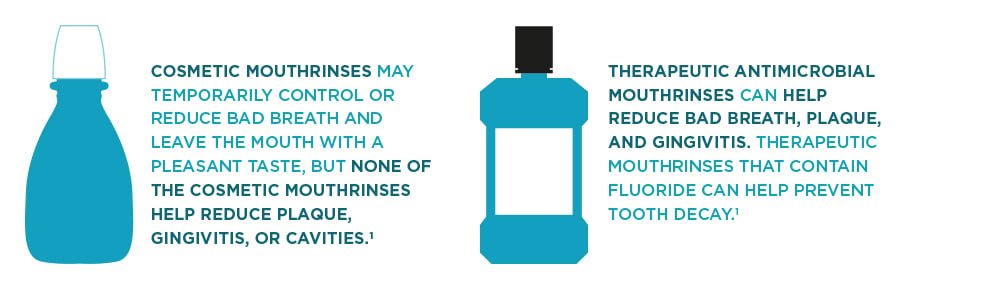
The primary difference between mouthwash and mouth rinse often lies in their intended purpose: mouthwash typically contains active ingredients to fight bacteria and freshen breath, while mouth rinse may only serve to cleanse the mouth and wash away debris.
Ever find yourself standing in the dental aisle, pondering the difference between mouthwash vs mouth rinse? It’s a common question, and understanding the nuances will improve your oral care routine.
Many use these terms interchangeably, but they aren’t always the same. Knowing their individual properties helps you choose products that perfectly suit your requirements. We’ll break it down simply.

Mouthwash vs Mouth Rinse: What’s the Real Difference?
You’re standing in the dental aisle, staring at rows of colorful bottles. Some say “mouthwash,” others “mouth rinse.” Are they the same? Do they do the same things for your teeth and gums? The short answer is: not exactly. While both can freshen breath, they have different purposes and ingredients. Let’s dive deeper and see what makes them different and which one might be right for you.
Understanding the Core Differences
Think of it this way: mouthwash is like a superhero with special powers, and mouth rinse is like a helpful sidekick. Both play a role in your oral health routine, but they have different strengths. Here’s a breakdown of their main differences:
Purpose
- Mouthwash: Designed to do more than just freshen breath. It contains active ingredients that fight bacteria, reduce plaque, and can help with gum disease (gingivitis). Some mouthwashes even have fluoride to protect against cavities. It’s a tool to help tackle dental problems.
- Mouth Rinse: Primarily used to freshen breath and rinse away loose food particles. It doesn’t usually contain active ingredients to fight bacteria. It’s more like a quick refresh for your mouth.
Key Ingredients
The ingredients in these oral hygiene products make a big difference in how they work.
- Mouthwash: Often includes ingredients like:
- Antiseptics (e.g., chlorhexidine, cetylpyridinium chloride): Kill bacteria in the mouth. Chlorhexidine is strong and usually prescribed by dentists for specific issues.
- Fluoride: Strengthens tooth enamel and protects against cavities.
- Essential oils (e.g., eucalyptol, menthol, thymol): Reduce bacteria and provide a fresh taste.
- Hydrogen peroxide: Can help whiten teeth and fight bacteria.
- Mouth Rinse: Typically contains:
- Flavoring agents: For a pleasant taste and fresh breath.
- Water: The base of the rinse.
- Sometimes mild sweeteners: To make it more palatable.
When to Use Each
Knowing when to reach for each product can make a big difference in keeping your mouth healthy.
- Mouthwash: Best used after brushing and flossing as part of your regular oral hygiene routine. You might also use it as recommended by your dentist if you have specific dental issues. If you’re using a fluoride mouthwash, it’s often suggested to use it at a different time than brushing (morning and night) to maximize the effects.
- Mouth Rinse: Can be used any time you want to freshen your breath or rinse your mouth, such as after meals or before a meeting. It’s a quick fix, not a treatment.
Potential Benefits
- Mouthwash Benefits:
- Reduced plaque and tartar buildup
- Fights bacteria that cause bad breath and gum disease
- Strengthened tooth enamel
- Helps prevent cavities
- Can help with specific dental problems like gingivitis
- Mouth Rinse Benefits:
- Freshens breath
- Rinses away loose food particles
- Provides a clean feeling in your mouth
Potential Drawbacks
- Mouthwash Drawbacks:
- Some can stain teeth if used for long periods (especially chlorhexidine-based).
- Can cause a dry mouth for some individuals.
- May not be suitable for children under the age of six.
- Should not replace brushing and flossing.
- Mouth Rinse Drawbacks:
- Does not address the root cause of bad breath.
- Does not fight plaque and tartar buildup.
- Provides only temporary freshness.
Types of Mouthwash and Their Specific Uses
Mouthwash isn’t just one thing; there are different types, each designed for specific needs. Here’s a look at some common types:
Fluoride Mouthwash
This type of mouthwash contains fluoride, a mineral that helps strengthen tooth enamel. It’s a great choice for people who are prone to cavities. It helps repair early signs of decay.
How to Use Fluoride Mouthwash
- Use after brushing and flossing, but not right after.
- Swish for about 30-60 seconds, then spit.
- Don’t rinse with water right after, so fluoride can work on your teeth.
Antiseptic Mouthwash
Antiseptic mouthwashes contain ingredients that kill bacteria in the mouth. They’re often used to treat gum disease (gingivitis). This type can also help reduce bad breath.
Common Antiseptic Ingredients
- Chlorhexidine (strong, prescription only)
- Cetylpyridinium chloride (milder, often found in over-the-counter options)
- Essential oils
Cosmetic Mouthwash
Cosmetic mouthwashes are mainly designed to freshen breath. They don’t have many active ingredients to fight bacteria. These are more like enhanced mouth rinses.
Use for Cosmetic Mouthwash
- Use anytime you want a quick refresh of your breath
- Not used for gum disease
Mouthwash for Sensitive Teeth
Some mouthwashes are formulated specifically for people with sensitive teeth. These mouthwashes often contain ingredients that block sensitivity.
Ingredients for Sensitive Teeth Mouthwash
- Potassium nitrate
- Strontium chloride
How to Choose the Right Product for You
Choosing the right product depends on your individual needs and goals. Think about what you want to achieve when using a mouthwash or mouth rinse.
Consider your Dental Needs
- Cavity Prevention: If you are prone to cavities, you may want to choose a mouthwash that contains fluoride.
- Gum Disease: If you have gum disease, an antiseptic mouthwash may be more appropriate.
- Sensitive Teeth: Choose a mouthwash specifically designed for sensitive teeth.
- Fresh Breath: A simple mouth rinse might be all you need if fresh breath is your primary goal.
Read the Labels
Always read the labels carefully. Look at the ingredient list. Check for things like fluoride, antiseptics, and alcohol. Some people prefer alcohol-free options because alcohol can dry out the mouth.
Consult Your Dentist
If you are unsure about which type of mouthwash or mouth rinse is best for you, ask your dentist for recommendations. They can assess your oral health and suggest the best options.
Proper Usage Techniques
Using mouthwash or mouth rinse correctly is key to getting the most benefits. Don’t rush the process.
Swishing Technique
Whether it’s mouthwash or a mouth rinse, the same basic rules apply to how you use it.
- Use the correct amount: usually about 20 ml (or the measurement on the bottle cap).
- Swish it around in your mouth thoroughly for 30-60 seconds.
- Make sure you reach all the areas of your mouth, including between your teeth.
- Spit it out after you have finished. Don’t swallow it.
Timing Your Rinse
- Mouthwash: Use after brushing and flossing. If using fluoride, use it at a different time than brushing.
- Mouth Rinse: Can be used anytime, but is most useful after meals.
Important Considerations
There are a few more important points to keep in mind when using these products.
- Mouthwash is not a substitute for brushing and flossing. It is an extra step.
- Don’t use a mouthwash or rinse if you have open sores in your mouth.
- Supervise children when they are using mouthwash, because they can swallow it.
- Keep mouthwash and mouth rinse out of reach of children.
Table: Mouthwash vs. Mouth Rinse – A Quick Comparison
| Feature | Mouthwash | Mouth Rinse |
|---|---|---|
| Primary Purpose | Fights bacteria, reduces plaque, protects against cavities | Freshens breath, rinses away food particles |
| Key Ingredients | Antiseptics, fluoride, essential oils, sometimes hydrogen peroxide | Flavoring agents, water, mild sweeteners |
| Use After | Brushing and flossing (or as directed by your dentist) | Anytime you want to freshen breath or rinse |
| Main Benefits | Reduced plaque and tartar, fights bacteria, strengthens enamel, prevents cavities | Freshens breath, rinses away food, clean feeling |
| Main Drawbacks | Can stain teeth, can cause dry mouth, not for very young children, not a replacement for brushing and flossing | Doesn’t fight bacteria or plaque, provides temporary freshness |
Ultimately, the best way to keep your mouth healthy is to stick to a good oral hygiene routine. This includes brushing twice a day, flossing daily, and using mouthwash or mouth rinse as needed.
So, there you have it! The difference between mouthwash and mouth rinse. Both can be helpful additions to your dental care routine, but they have different jobs. Now you are well-prepared to make smart choices in the dental aisle and to have a healthy and fresh smile!
ending the DEBATE on MOUTHWASH…
Final Thoughts
Mouthwash provides therapeutic benefits with active ingredients to fight bacteria, while a mouth rinse primarily freshens breath. You should choose mouthwash when you need specific oral care, such as treating gingivitis.
The key difference between mouthwash vs mouth rinse lies in their purpose. Consider your needs to choose the proper product for your daily oral routine.

