
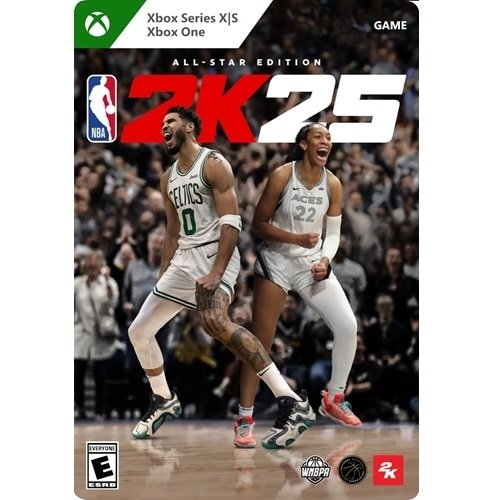
The NBA 2K25 core mechanic analysis reveals a focus on improved player movement, more realistic ball physics, and refined AI behavior.
Diving deep into the upcoming basketball title, we examine the heart of the gameplay experience. This exploration focuses on how the game actually feels when you pick up the controller. This is important because understanding the building blocks is essential.
Our NBA 2K25 core mechanic analysis looks into each component, hoping to give you the insights to make better decisions. This article examines how these mechanics will impact your matches on the court.

NBA 2K25 Core Mechanic Analysis
Let’s dive deep into the heart of NBA 2K25 and examine the core mechanics that make this basketball simulation tick. We’re not just talking about flashy dunks; we’re going to explore the nuts and bolts of how the game actually works. Think of it like looking under the hood of a really fast car – we’re going to see all the parts and how they fit together to create the amazing experience we know and love.
Movement and Player Control
First off, let’s talk about how your players move around the court. This is super important because it affects everything else. In NBA 2K25, the movement system aims to feel realistic and responsive. You’re not just gliding around like you’re on ice; you actually have to put effort into your movements. The developers have clearly focused on making player movement look and feel as real as possible.
Dribbling and Ball Handling
Dribbling is much more than just bouncing the ball. It’s about control, skill, and creativity. In NBA 2K25, a wide variety of dribbling moves are available, from simple crossovers to fancy behind-the-back moves. The way you move the control stick dictates the type of move your player does. How quick and skilled your player is, greatly affects the effectiveness of these moves. A slow-footed center won’t be able to pull off the same slick moves as a speedy point guard.
- Basic Dribble: This is your everyday bounce, good for maintaining control.
- Crossover: A quick shift from one hand to the other.
- Behind-the-Back: Dribbling the ball behind your back, great for surprising defenders.
- Hesitation: A short pause that can trick defenders into reacting wrong.
- Spin Move: Rotating your player while dribbling, useful for getting past opponents.
These moves aren’t just for show; they are essential for creating space, breaking down defenses, and getting to the basket.
Player Acceleration and Deceleration
How fast a player can speed up and slow down makes a big difference. NBA 2K25 has made sure that players don’t just zoom from zero to sixty instantly. Players need time to build speed, and it takes time to slow down. This aspect of the game introduces a sense of realism, and makes positioning and strategic movement matter a lot.
For instance, a fast guard can accelerate much quicker than a lumbering center, which is pretty accurate to real life. Also, changing direction while moving at high speeds is harder, meaning you can’t just zig-zag back and forth without losing some speed. You need to consider the angle and speed at which you make cuts.
Shooting Mechanics
Shooting is another key area that has received attention. It’s not just about pressing the shoot button; timing, player skill, and position all influence whether a shot goes in. NBA 2K25 aims for a more refined and less automatic shooting experience than some of its predecessors.
Shot Meter and Timing
The shot meter is an important part of shooting. When you shoot, a meter appears, and you need to release the shoot button at the correct time for a perfect shot. However, It’s not just about timing. Player attributes also play a significant role. A player with a high shooting rating has a much larger window for a “good” shot compared to a player with a lower rating. Even with perfect timing, a player with low shooting ability might still miss.
Also, the type of shot affects the meter. A jump shot will have a different meter than a layup or a dunk. A contested shot will also make the meter harder to use than if the player is open. This means, you must consider when, where, and how to shoot.
Shot Selection and Contesting
Knowing when and where to shoot is almost as important as how to shoot. NBA 2K25 encourages good shot selection and does a pretty good job of punishing bad shots. Taking a contested shot with a defender in your face significantly decreases your chances of making it. Conversely, an open look, like a player alone behind the three point line, is very likely to result in a successful attempt.
Another aspect of the game to consider is shooting fatigue. Players that are tired from running around the court, tend to have a harder time making shots. This means that you can’t just run the same player up and down the court and expect them to perform at their best. You need to have a strategy that involves rotating players, and getting them rest.
Passing and Team Play
Basketball is a team sport, and NBA 2K25 emphasizes this. Passing is an essential part of the game, and it goes beyond just throwing the ball to your teammates. A good team in the game, and the real world, knows how to use passing to set up scoring opportunities.
Types of Passes
NBA 2K25 has a great variety of passes. A simple pass is good for moving the ball quickly. A bounce pass can get around defenders. A lob pass can lead to amazing alley-oop dunks. Here are some key passes in the game:
- Chest Pass: A standard pass that is easy and reliable, it is thrown from the chest of the player.
- Bounce Pass: Passing the ball low, so it bounces on the court, used to get around defenders.
- Overhead Pass: Throwing the ball over your head, useful for long distance passes.
- Lob Pass: An arc pass, thrown high to be caught near the basket, used for alley oops.
- Lead Pass: A pass that throws the ball into the space where a player will be, so the player can get the ball in stride.
These different passes provide a wide range of ways to get the ball to teammates. Knowing when to use each pass can give your team an edge.
Off-Ball Movement and Setting Screens
Off-ball movement is an area where players not actively dribbling, are moving on the court to get open for a pass. This is essential for a good offense. You can control a player’s movement, even when they don’t have the ball, and position them to receive a pass or open up a shot. Setting screens is another key off-ball mechanic. Setting a screen means a player stands next to a defender to block them so a teammate can get open. Well executed off-ball movement and screens can create wide open looks for your team.
Defensive Mechanics
Defense is half the game, so it needs to be detailed and accurate. NBA 2K25 gives players many ways to defend, and make it tough for the opponent to score. It is not enough to score on offense, you need to be able to stop your opponent to win.
Stealing and Intercepting Passes
Stealing the ball from a dribbler, or intercepting a pass, is a great way to turn the tables on your opponent. However, spamming the steal button is not the way to do it. Players can foul an opponent if they reach in too much. Timing is important to take the ball cleanly. You have to read your opponents’ moves, and the path of their passes, to intercept the ball effectively. Players with better defensive ratings are better able to steal the ball without getting a foul.
Blocking and Contesting Shots
Blocking a shot is a fun and valuable defensive tool. The player’s jump timing is key to blocking the ball. The block has to be timed correctly to stop the ball. Even if you can’t block a shot, contesting the shot with your hand up will make it harder for the opponent to score. Good positioning and timing will result in fewer points scored by your opponent. Players with better blocking skills will have more success. A well timed block can also ignite a fast break for your team.
Defensive Positioning and On-Ball Defense
The game has various defensive stances that you can use to make it harder for the opponent to drive to the basket. It is important to position yourself between your opponent and the basket, and keep them from dribbling past you. You should also stay close enough to pressure them, and not give them a chance to easily get a shot. A good defensive strategy will make it challenging for your opponent to score.
Stamina and Fatigue
Stamina and fatigue are important, and often overlooked parts of the game. Players cannot run around the court at top speed for the entire game. Their energy will slowly drain, so you need to be smart about how you use your players.
The Stamina Meter
Players have a stamina meter on the screen that shows their energy level. The meter goes down as they run, jump, and perform other actions. The lower a player’s stamina gets, the slower they run, and the less accurate their shots become. You need to keep an eye on this meter and make sure your players are not too tired.
Impact of Fatigue
Fatigue has a major effect on every aspect of the game. Tired players cannot dribble as well, shoot as well, or defend as effectively. You need to rotate players and give them rests, to keep them at their best. Effective player management is a key component of success. Also, an opponent may have to use a less effective team if their players get too tired. This means your team’s stamina can make your team very difficult to play against.
AI and Opponent Behavior
The AI (Artificial Intelligence) controls the behavior of both your teammates and your opponents. NBA 2K25 needs to have smart AI that plays basketball effectively, and is fun to play against. The AI has to make smart decisions, and play basketball the way real basketball players would.
Offensive AI
On offense, the AI looks for open players, runs plays, and takes shots when they are open. It also reacts to what you do, and changes its play based on your defense. It is not enough for them to simply dribble around, they have to make logical plays. The AI also tries to use a player’s strengths, for example a three point specialist will be encouraged to shoot from beyond the three point line.
Defensive AI
On defense, the AI tries to stop you by staying in front of you, stealing the ball, blocking shots, and making it hard for you to score. Like the offensive AI, they adapt to what you do. If you try to drive to the basket a lot, they will do their best to stop you. If your opponent has a specific player that is dangerous, then they will focus on that player.
Overall, AI is important, and will make your experience better. It is much more fun to play a game with a well functioning AI, than a game where the computer is not a great player.
MyCAREER and Progression
The MyCAREER mode is a big draw for many NBA 2K players, and NBA 2K25 continues the tradition. Here you create your own player, and progress through their NBA career. The core game mechanics are important, but also the way your player grows and progresses.
Attribute Upgrades and Badges
As you play games, and practice, you will earn attribute points. These points can be used to improve your player’s skills, like shooting, dribbling, and defense. It is also possible to unlock badges which provide special abilities. There are a wide variety of badges that cover different skills, and strategies. For example, there are badges for three-point shooting, dunking, and defensive skills. These help customize the way you play, and how your character develops.
The Progression System
Your player progresses from a low level rookie, to an elite player, as they gain experience and improve their abilities. The experience gained from playing games, and the completion of goals, will allow your character to improve over time. This gradual increase in skill, and ability, gives the game a feeling of growth and progression.
Visual and Audio Feedback
Visual and audio feedback are really important to the game, and are crucial to the way the game feels. NBA 2K25 uses audio and visuals to give you information on how your players are performing.
Visual Cues
The game has many visual cues that tell you what is going on. For example, the shot meter will help you know if your shot is good, or not. If a player is wide open for a shot, a visual cue will let you know that you have a good shot. A highlight reel will replay the best plays that happened in the game. Also, the animation of the players is important, as it helps provide realism to the game, and shows you what the players are doing.
Audio Feedback
The game’s sound effects and music also add to the experience. The sound of the ball bouncing on the court, or the roar of the crowd after a dunk, can increase the intensity of the gameplay. The commentary also gives important information and makes the experience feel more like a real basketball game. All of these visual and audio effects, make NBA 2K25 a fun and exciting experience.
In conclusion, NBA 2K25’s core mechanics are built upon a foundation of realism, responsiveness, and strategic gameplay. From precise dribbling and shooting controls to the nuances of team play and defensive strategies, each element is designed to create an engaging and immersive basketball experience. The addition of stamina considerations, intelligent AI opponents, and a compelling progression system in MyCAREER further contribute to the game’s depth. The visual and audio elements create an experience that draws the player into the game. By combining these elements, NBA 2K25 provides a fun and challenging experience for all basketball gamers.
10 MISTAKES to AVOID when CREATING your BUILD in NBA 2K25…
Final Thoughts
NBA 2K25 core mechanic analysis reveals an iterative approach. Shooting feels more nuanced, requiring precise timing. Dribbling builds on past titles, offering varied moves.
Gameplay emphasizes strategic play over arcade-style action. Defensive positioning and timing matter significantly. Passing and off-ball movement improve teamwork.
Ultimately, the core gameplay loop evolves rather than revolutionizes. NBA 2K25 core mechanic analysis shows refinement of existing systems. It focuses on player skill.

