
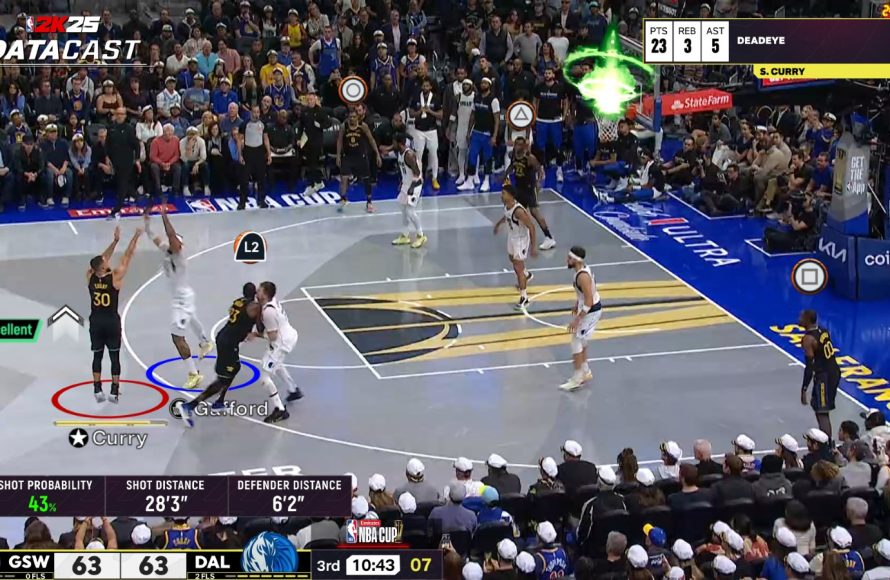
The NBA 2K25 player relationships impact team chemistry and on-court performance, with stronger bonds leading to better teamwork and scoring opportunities.
Have you ever wondered why some teams in NBA 2K25 click so well while others just seem disjointed? It’s not all about stats and player ratings; it’s about the dynamic, the connection, the very essence of NBA 2K25 player relationships. These relationships, both positive and negative, actively shape how players perform together.
These bonds can affect everything from passing accuracy to defensive rotations and even how players react in critical situations. Players with strong connections will pass with more confidence, creating opportunities that a more fractured team could easily miss. This adds a whole new layer to team building.

NBA 2K25 Player Relationships: More Than Just Teammates
The world of NBA 2K25 isn’t just about sinking three-pointers and making highlight-reel dunks. It’s also about the connections between players. These relationships go beyond just being on the same team; they impact how players perform, both on and off the virtual court. Understanding these dynamics is key to building a successful franchise or dominating in MyCareer mode. Let’s dive into how these relationships work and why they matter so much.
The Impact of Chemistry on the Court
Think of your favorite basketball team. Do they play together like a well-oiled machine? Or do they seem a bit out of sync? In NBA 2K25, player chemistry plays a huge role. Players who get along well on a team tend to have better on-court performance. This means:
- Better passing: Players with high chemistry will anticipate each other’s movements and make more accurate passes.
- Improved spacing: Teammates who are in sync understand where each other will be, which leads to better spacing on the court, creating more opportunities for scoring.
- Stronger defense: When players trust each other, they work better as a defensive unit, helping to shut down their opponents.
- Increased player performance: Players who feel supported by their teammates tend to play better overall, both offensively and defensively.
Conversely, if players dislike each other, you might see missed passes, poor communication, and lackluster performance. This can be frustrating when you’re trying to win a championship!
MyCareer Relationships: Building Bonds
In MyCareer, your created player will interact with many different people, from teammates to coaches to sponsors. These relationships shape your player’s journey and how successful they can be.
Teammate Interactions
Your relationships with your teammates in MyCareer are very important. If you’re seen as a good teammate who plays well and contributes to wins, you’ll find it easier to build strong connections. These strong bonds can help you get passes when you’re open, and your teammates will be more likely to help you out on defense. It is important to:
- Show your support: Celebrate your teammates’ good plays and offer encouragement.
- Play your role: Be a team player and prioritize the success of the team over individual achievements.
- Be reliable: Consistently play well and do your best to help your team win games.
- Communicate Effectively: Use the in-game communication tools to connect with your teammates.
Poor interactions can lead to teammates being hesitant to pass you the ball or even actively avoid you on the court.
Coach Relationships
Your relationship with your coach also impacts your career. A coach who trusts you will give you more playing time and opportunities to grow. To improve your relationship with your coach, you can:
- Listen to instructions: Pay attention to what the coach wants you to do and follow their game plans.
- Show improvement: Work on the areas of your game that the coach wants you to improve on.
- Be respectful: Treat your coach with respect and avoid any actions that might come across as disrespectful.
If you have a poor relationship with your coach, you might not see much playing time. You might even end up getting traded to a team that is not your first choice.
Other Relationships
Besides your teammates and coach, you also have relationships with other people in the MyCareer mode. These include your agent, sponsors, and even fans. Building positive relationships with these people can open up new opportunities for endorsements, sponsorships, and other benefits. It’s important to be professional and show that you appreciate the support these people provide.
Factors Affecting Player Relationships
Several things can influence the quality of player relationships in NBA 2K25. Understanding these factors can help you build better team chemistry.
Personality Types
Each player in NBA 2K25 has a personality. Some are easy to get along with, while others can be more challenging. This is similar to how real life works, some personalities just click, while others might clash. Understanding these personalities is key to building a cohesive team. For example:
- Extroverted players: They tend to be very social and enjoy interacting with others. These players help build team chemistry through positive interactions.
- Introverted players: They can be quieter and may prefer to keep to themselves. It’s important to be patient and supportive with introverted teammates.
- Competitive players: These players are very focused on winning and may get frustrated when things don’t go their way. It’s helpful to keep them motivated and avoid unnecessary drama.
Knowing a player’s personality can guide your approach to them, building relationships tailored to how they interact with the world.
Playing Style Compatibility
How well players fit together on the court is also a crucial factor in their relationship. If two players have a similar playing style, they can complement each other well, leading to strong on-court chemistry. Some examples of playing style compatibility includes:
- Point Guard and Center: A point guard who excels at playmaking can build strong chemistry with a center who is a good finisher.
- Shooter and Playmaker: A shooter who relies on open looks will enjoy playing with a playmaker who can deliver timely passes.
- Defensive Anchor and Lockdown Defender: Two strong defensive players can create a powerful defensive wall and create high-level defensive chemistry.
When team chemistry is high, you will see passes happening more often, players helping each other on defense, and overall smoother team play.
Winning and Losing
The ups and downs of winning and losing can impact relationships among players. Winning often leads to better morale and stronger relationships, while losing can create tensions and disagreements.
- Winning Streaks: During a winning streak, players usually feel better about themselves and their teammates. They tend to play with more confidence and communicate better on the court.
- Losing Streaks: On the other hand, during a losing streak, there can be more tension between players. They may start to blame each other for mistakes and lose trust in one another.
It’s important for you, as the person controlling your team or player, to keep morale up, even when facing challenges.
Off-Court Interactions
What players do off the court can also affect their relationships. In the MyCareer mode, players might go to team dinners, go to events, or just simply hang out. These interactions can greatly improve their relationship, or damage it, depending on how the interactions went. These off-court interactions can be:
- Positive interactions: When players enjoy each other’s company and are supportive of one another off the court.
- Negative interactions: When players clash in off-court activities, which will then carry onto the court and effect gameplay.
Strategies for Building Strong Player Relationships
Building strong player relationships is not something that just happens; it takes effort and a bit of planning. Here are some practical strategies you can use in NBA 2K25:
In-Game Actions
The way you play on the court can greatly affect your relationships with your teammates. These are some practical ways to improve relationships through in-game action:
- Pass the ball: Avoid being a ball hog. Pass to open teammates and don’t always go for the shot yourself.
- Play team-first basketball: Make smart plays that help the team win, even if it means giving up a shot for yourself.
- Help out on defense: Make sure you rotate and help your teammates on defense.
- Communicate: Use the in-game communication tools to let your teammates know what you’re doing.
- Be aware: Make sure to be aware of where your teammates are on the court and be aware of their strengths.
Off-Court Activities
In MyCareer mode, engaging in positive off-court activities can significantly boost your relationships. This includes:
- Attend Team Events: If there are events with your team or specific teammates, try to attend, even if it is a cut scene in the game.
- Hang out with teammates: When you get the chance to hang out with teammates, do it! This will improve your relationship with those specific players.
- Participate in team-building exercises: These exercises will help you and the team improve overall chemistry.
- Be a good sport: When hanging out with teammates and playing other activities, keep a good attitude and be a good sport.
Managing Negative Interactions
Even with the best intentions, you’ll sometimes encounter negative interactions. When this happens, there are a few things you can try:
- Address issues directly: Talk to your teammates in game, when given the opportunity. Try to figure out what the problem is.
- Give space: If a teammate is just having a bad game, don’t aggravate them, just give them some space to process.
- Focus on improving: If negative feedback was given towards you, try to process it and improve your game to avoid future conflict.
- Be a leader: When you see conflict, try to be a leader and step in to diffuse the situation.
Why Player Relationships Matter
The importance of player relationships in NBA 2K25 cannot be overstated. They influence both your in-game performance and your overall experience. Here’s a summary of why they matter:
- Improved On-Court Performance: Teams with high chemistry play better and win more games.
- Enhanced MyCareer Experience: Strong relationships can help you unlock new opportunities and achieve your goals faster in your MyCareer.
- More Enjoyable Gameplay: When you have strong bonds with your virtual teammates, it just makes the game more fun.
- More Realistic Simulation: NBA 2K25 strives to mimic real-life scenarios. Player relationships are a big part of that.
Advanced Relationship Mechanics
NBA 2K25 introduces some advanced mechanics for player relationships, making it a more dynamic and rewarding system. These include:
Dynamic Relationship Events
These events can randomly pop up during games or practice, offering the player the chance to interact with teammates. Depending on how the event goes, your relationship with the specific teammate will either go up or down.
Relationship Progress Tracker
In MyCareer mode, there’s a relationship progress tracker. This allows you to monitor how your relationship is with each player. This can help you to decide on who to spend more time with, or if you need to address negative relationships.
Impact of Personality Traits
Personality traits play a more significant role in NBA 2K25. Players with specific personality traits will interact differently with each other, making it even more important to understand each player’s personality. Some traits will lead to positive relationships, while others will lead to negative interactions.
Ultimately, paying attention to player relationships makes NBA 2K25 a much more realistic and fulfilling experience. It adds another layer of strategy to the game and encourages you to think beyond just statistics and gameplay.
So, the next time you step onto the virtual court, remember that it’s not just about you. It’s about building connections, trusting your teammates, and becoming a true team player. This will lead to more wins and make your experience much more rewarding in NBA 2K25.
How hoopers act once NBA 2K25 comes out…🤣
Final Thoughts
Ultimately, NBA 2K25 player relationships will significantly shape your game experience. Managing team chemistry becomes essential for success, as positive bonds boost performance. Negative relationships, conversely, will hinder overall team flow. This dynamic creates a strategic layer beyond just on-court skill.
Therefore, cultivating good rapport with teammates must be a priority. Players should focus on building these connections. This aspect requires careful navigation and thoughtful management within the game.

