
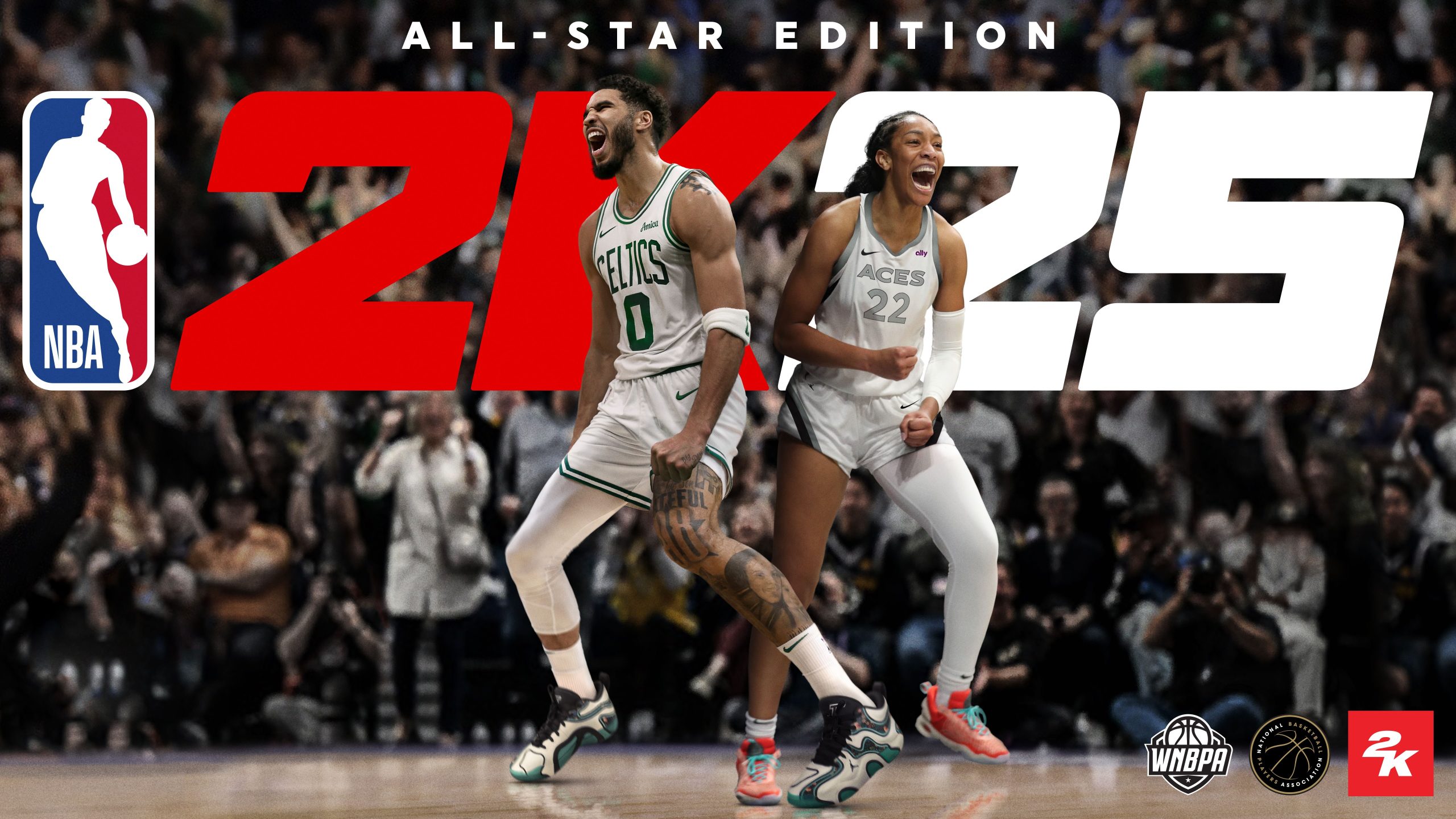
The NBA 2K25 player resource overview focuses on various aspects of player management within the game, including attributes, badges, and potential for development.
Diving into the intricacies of player development can feel overwhelming in any sports simulation game. Understanding how to navigate the complexities of player resources is critical to success. The NBA 2K25 player resource overview offers valuable insights into this area. It aims to guide you in managing your roster effectively and making the most of each individual player’s capabilities. This knowledge will help you build a competitive team.

NBA 2K25 Player Resource Overview
Okay, so you’re hyped for NBA 2K25, right? We all are! This year, it’s not just about having lightning-fast reflexes on the court. It’s about knowing your players inside and out. Think of your players as your tools – the better you understand them, the better you’ll perform. This overview will be your guide to understanding all the resources you have at your fingertips in NBA 2K25 to make the most of your roster. We’re diving deep into player cards, stats, badges, tendencies, and more to help you dominate the game, whether you’re in MyCAREER, MyTEAM, or just having a friendly match with your buddies. Let’s get started!
Understanding Player Cards: Your First Look
Every player in NBA 2K25 comes with a player card. These cards are like a summary of each player’s abilities and potential. Think of it like a trading card but way more useful! The player card is the first thing you’ll see when selecting or looking at a player. It gives you the basic information you need to start making decisions about who to put in your lineup and how they might play.
Key Elements on a Player Card
Overall Rating: This number gives you a quick glance at how good a player is overall. A higher rating usually means a more skilled player, but don’t let it be the only thing you look at. A high overall rating doesn’t always translate to the best fit for your specific playstyle.
Player Position: Is he a point guard, shooting guard, small forward, power forward, or center? This tells you where a player is most comfortable on the court. You need a mix of these positions in a team to get the best results. A center is good at rebounding, a point guard handles the ball, etc.
Player Picture: This is just a picture of the player, so you recognize them easily.
Team and Logo: This shows you which team a player plays for in the NBA, or in MyTEAM, the team that’s on the card.
Player’s Name: This shows you the real name of the player.
Rarity Level : In MyTEAM, cards come in different rarity levels (like Bronze, Silver, Gold, Amethyst, Diamond, etc) that indicate their value and potential.
Other Special Designations: Keep an eye out for any special icons or designators that may denote players who are featured in current events, have certain seasonal theme, or come from limited-time packs.
Think of the player card as your starting point. It’s a good place to understand the basics about each player. But, to really understand what a player is capable of, you have to dig deeper into their stats, badges, and tendencies.
Player Stats: The Nitty-Gritty Details
Okay, so the overall rating gives you a general idea, but the stats are where you see the real differences between players. These numbers show you exactly how a player performs in different areas of the game. Understanding these stats will help you pick players that fit your style and make the best of your team. Think of it as knowing the different tools in your toolbox – some are good for driving, while others excel in long-range shooting.
Offensive Stats
Close Shot: How good a player is at making shots close to the basket.
Mid-Range Shot: How well a player can make shots from the mid-range area.
Three-Point Shot: This is important for players who shoot from beyond the arc.
Driving Layup: How well a player can drive to the basket and make a layup.
Driving Dunk: How good a player is at driving and dunking.
Ball Handling: How well a player can control the ball while dribbling and doing moves.
Passing Accuracy: How well a player can pass the ball to their teammates without messing it up.
Post Control: How skilled a player is in the post, with their back to the basket.
Speed with Ball How fast a player is while dribbling a ball
Speed How fast a player is without the ball
Defensive Stats
Interior Defense: How good a player is at guarding players in the paint.
Perimeter Defense: How good a player is at guarding players on the outside.
Steal: How good a player is at stealing the ball from opponents.
Block: How good a player is at blocking shots.
Lateral Quickness: How fast a player can move side-to-side on defense. This is vital for staying in front of your opponent.
Rebounding: How good a player is at grabbing missed shots. This stat is broken into Offensive and Defensive Rebounds.
Other Important Stats
Stamina: This shows how much energy a player has, which affects how they perform over the game.
Vertical How high a player can jump
Strength How strong a player is when pushing against other players.
Reaction Time How quickly a player reacts to an action on the court
These stats help you find players who are good at the specific skills you need for your game plan. For example, if you like to shoot three-pointers, focus on players with high three-point ratings. Or if you like to play in the paint, look for players with high interior defense and rebounding skills. Don’t just look at the overall rating!
Here’s a simple table to show you an example of how to compare player stats:
| Statistic | Player A (Guard) | Player B (Center) |
|——————-|——————–|——————-|
| Three-Point Shot | 90 | 30 |
| Driving Layup | 85 | 60 |
| Interior Defense | 50 | 90 |
| Rebounding | 40 | 95 |
| Passing Accuracy | 80 | 60 |
| Stamina | 92 | 70 |
As you can see, Player A (a guard) is great at shooting and passing but not so good at defense and rebounding. Player B (a center) is excellent at defense and rebounding but not so good at shooting. This is how the stats can help you build a balanced team.
Player Badges: Special Skills and Abilities
Badges in NBA 2K25 are like extra superpowers that players have. They give your players special skills and boosts. Think of them as little extras that make players perform better in specific situations. You can find badges for both offense and defense, and having the right badges can make a big difference in a game. Badges can really influence how a player performs.
Types of Badges
Badges are broken down into categories based on what they help with. Here’s a look at the main categories:
Finishing Badges: These badges help with scoring near the basket. Examples include:
Giant Slayer: Helps smaller players score against bigger defenders.
Posterizer: Makes dunks more powerful and frequent.
Acrobat: Makes layups more acrobatic and easier to make.
Shooting Badges: These badges help with making shots from different areas on the court. Examples include:
Dead Eye: Reduces the impact of defenders contesting shots.
Green Machine: Gives a boost to multiple consecutive good shots.
Sniper: Improves the chances of making difficult shots.
Playmaking Badges: These badges help with handling the ball and setting up teammates. Examples include:
Ankle Breaker: Makes defenders stumble when you make a crossover.
Quick First Step: Makes it easier to beat a defender with the dribble.
Dimer: Increases the chances of teammates making shots after a pass.
Defensive/Rebounding Badges: These badges help with stopping the other team and grabbing rebounds. Examples include:
Interceptor: Makes it easier to steal passes.
Intimidator: Makes opponents miss shots just by being close.
Boxout Beast: Helps grab rebounds by boxing out opponents.
Physicals Badges These badges help with speed, acceleration, stamina, strength etc. examples include:
Clamps: When you are guarding your opponents they cant go through you easily
Speed Booster: Increases the speed of your player.
Hyperdrive: when you dribble, it increases your speed
Speciality Badges: These are unique badges that can enhance a player’s particular style or abilities.
Badge Tiers
Badges also have tiers – Bronze, Silver, Gold, and Hall of Fame. The higher the tier, the bigger the boost the badge gives. Hall of Fame badges give the biggest boost, but they are also the hardest to get.
Bronze: Provides a small boost.
Silver: Gives a moderate boost.
Gold: Gives a significant boost.
Hall of Fame: Provides the biggest boost and is the most difficult to earn.
Choosing players with the right badges for your game plan is important. If you like to shoot a lot of three-pointers, then pick players with shooting badges. If you like to drive to the basket, choose players with finishing badges.
Player Tendencies: How Players Behave
Player tendencies are like the unwritten rules of how a player behaves on the court. It’s not just about stats or badges; it’s about what a player prefers to do in certain situations. Think of it like knowing someone’s habits – you can predict what they will do next. Knowing player tendencies helps you understand how they might react during a game and this information is crucial for building a effective team.
Types of Tendencies
Shot Tendencies: How often a player chooses to shoot from different areas.
3PT Tendency: How often a player will shoot three-pointers.
Mid-Range Tendency: How often a player will take mid-range shots.
Layup Tendency: How often a player will go for a layup instead of other shots
Dunk Tendency: How often a player will go for a dunk instead of other shots
Driving Tendency: How often a player chooses to drive to the basket.
Passing Tendency: How often a player chooses to pass the ball, and to whom they pass.
Post Tendency: How often a player will try to score from the post.
Defensive Tendencies: How a player behaves on defense.
Steal Tendency: How often a player will try to steal the ball.
Block Tendency: How often a player will attempt to block a shot.
Foul Tendency: How often a player will commit a foul.
Rebound Tendency: How often player will try to get rebound
Why Tendencies Matter
Knowing tendencies is important because it helps you make smart game plans. For example, if you have a player who likes to shoot three-pointers, you know you can count on them for that shot. Or if you have a player who rarely passes, you know you have to set up the play yourself. If a player has a high drive tendency, then expect them to attack the basket whenever they can.
Tendencies also impact how the AI acts in the game. If you have a player with a high passing tendency, the AI might look to pass more often when controlling them. This can change the whole feel of your game.
Think of tendencies like this: imagine you’re playing chess. It’s not just about knowing the chess pieces, it’s also about understanding how your opponent (or your own chess pieces) like to move. Some pieces are more aggressive, and others more defensive.
Understanding tendencies will make you better at both using your players and playing against them. This information helps you predict the moves your opponents are going to make and helps you counter those moves.
Using Player Resources Effectively: Tips and Strategies
So, we’ve covered a lot about player cards, stats, badges, and tendencies. Now, let’s talk about how to use all this info to win! It’s not just enough to know these things, you also have to know how to use them to your advantage. This section is about making the information you have work for you, so you can become a better player of NBA 2K25.
Building a Balanced Team
Don’t Rely on Ratings Alone: It’s important to understand that a player with a high overall rating might not always be the best fit for your specific playing style. Look at the detailed stats to make sure that the player fits into your team’s strengths and weaknesses.
Mix Positions: Don’t have a team full of just one type of player. You need players with different strengths to have a balanced team. You need a center who can rebound, a point guard who can handle the ball, and shooters who can score from anywhere on the court.
Find Players That Fit Your Style: If you like to play fast and break, look for players with high speed and ball handling stats. If you prefer a slower, post-based game, you should pick players with good post moves, interior defense and rebounding abilities. It is important to figure out how you like to play and build your team around that style.
Fill Your Weaknesses: If your team is weak at defense, get players with high defensive stats and badges. If your team is poor at rebounding, focus on getting players with high rebounding stats and rebound related badges. Find out what your team does poorly and improve that.
Utilizing Badges for the Maximum Effect
Match Badges to Player Strengths: Give finishing badges to players who are good at driving and dunking. Give shooting badges to players who are good at shooting. Dont put the badges on wrong player’s.
Experiment with Badges: Don’t be afraid to test out different badges on your players. Sometimes, the badges can make a player’s performance better than you would expect.
Think about the Badge Tier: Hall of Fame badges can make a big difference. Try to get these badges to boost your key players. The higher the badge tier, the better the boost!
Making the Most of Player Tendencies
Predict Opponent Moves: If you know the opponent likes to drive a lot, make sure to put a good perimeter defender on them and double team when possible. Use your knowledge of player tendencies to predict what your opponents will do, so you can position yourself to block the opponent’s actions.
Adjust Your Playstyle: If you have a player who is a great shooter, make sure to set him up for open shots. Or if you have a great driver, create plays that let him drive to the basket. Change your game plan according to what you know about your players.
Use The Right Player For The Right Task When you have good shooters on your team, give the ball to them when they are open for a shot. if you have good dunkers, then try to get them open lane to dunk the ball. Always look for what your players are good at, and play through that.
By combining your knowledge of player cards, stats, badges, and tendencies, you can craft a team that suits your style and can compete with anyone. It takes time to understand these things, but its worth the effort to create a championship-winning team.
This is just a starting point in your journey. You’ll get better as you play and learn more about each player in the game. The most important thing is to have fun, experiment, and enjoy the game. Remember that the best teams are not always the ones with the highest-rated players, but the ones that use their player resources wisely. Good luck on the court!
Remember that understanding your players is the key to success in NBA 2K25. By using these player resources wisely, you’ll dominate the game and have more fun doing it. So, go ahead, dive in, and make the most of your team. You got this!
NBA 2K25 Review
Final Thoughts
Essentially, the NBA 2K25 player resource overview reveals various avenues for player improvement. Gamers can access coaching tips, skill badges, and attribute boosts. These features allow for deeper player customization and development.
Players should study these resources carefully. A strategic approach to training, focusing on specific builds, can significantly improve performance. Understanding the NBA 2K25 player resource overview will ultimately lead to in-game success.

