
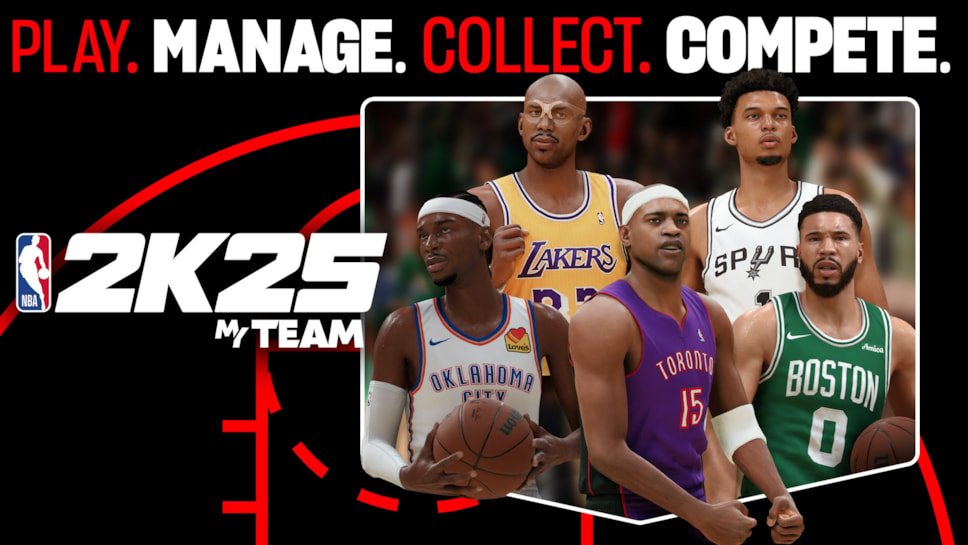
NBA 2K25 roster management ideas involve focusing on player potential, trading effectively for needed positions, and utilizing the G League for development.
Building a winning team in NBA 2K25 requires more than just picking high-rated players. You need a solid strategy for your roster. This includes scouting young talent and making calculated trades.
Effective roster management also means understanding how to develop players. Don’t overlook the G League as a valuable tool. These actions help you build a dynasty.

NBA 2K25 Roster Management Ideas
Okay, basketball fans, let’s talk about something super important in NBA 2K25: managing your roster! It’s not just about having the best players; it’s about using them the right way. A good team isn’t just about star power; it’s about how well everyone fits together. We’re going to explore lots of different ways you can build your dream team and dominate the court. Think of it like building a really cool LEGO creation, but with basketball players instead of bricks!
Understanding Player Archetypes
First things first, let’s get to know your players a little better. Each player in NBA 2K25 has an archetype, which is basically their special skill set. Some guys are scoring machines, while others are amazing defenders, and some are all about setting up their teammates. Knowing these roles is super important because you need to make sure your team has a good mix of skills. Let’s break down some of the common archetypes you will see:
- Point Guard (PG): These are your team’s playmakers. They’re quick, good at passing, and often handle the ball the most. They’re like the quarterback of your basketball team. They might be a Playmaker, Slasher, or Sharpshooter.
- Shooting Guard (SG): SGs are usually your best shooters and scorers. They can hit the three-pointers and drive to the basket. Think of them as the team’s top offensive threat alongside the small forward. They might be Sharpshooters, Slashers, or Two-Way Guards.
- Small Forward (SF): These players are very versatile. They can score, rebound, and defend. They are a little bit of everything, making them really valuable. They might be Slasher, Two-Way, or Lockdown Defender.
- Power Forward (PF): The Power Forward are usually your strong guys who can rebound and score inside. They’re the tough players who do the dirty work. They could be a Rebounder, Inside Scorer, or a Stretch Four.
- Center (C): The big guys, Centers protect the rim, grab rebounds, and score down low. They’re the anchors of your defense. They may be Rim Protector, Rebounder, or Inside Scorer.
Finding the Right Mix
Now that we know about the different roles, how do you put them together? The goal is to create a balanced team where everyone’s skills support each other. For example, you don’t want a team full of just shooters, you need some players who can rebound and defend, as well. Here are a few points to keep in mind:
- Offensive Variety: You need a mix of scoring options. You want players who can shoot threes, players who can drive to the basket, and guys who can score in the post. Having multiple threats makes it harder for defenses to stop you.
- Defensive Strength: Having good defenders at different positions will help you stop the opposing team. Having players who can defend the perimeter as well as in the paint will make you a more difficult opponent to score against.
- Playmaking: A good point guard is essential to create scoring opportunities for the whole team. They need to be able to see the whole court and make smart passes to open players.
- Rebounding: This is important for getting second chance points. It also helps you control the tempo of the game.
The Importance of Player Chemistry
Okay, so you have a team full of great players, but they still aren’t playing well. What’s going on? Well, just like in real life, players need to get along and work well together on the court. This is what we call “chemistry.” It can have a big impact on how well your team performs.
- Play Styles: Players with similar play styles often work well together. For example, if you have a point guard who loves to pass, putting him with players who are great at cutting to the basket can be awesome.
- Personality: Even in a video game, sometimes certain players just don’t click. Keep an eye on player interactions and how they respond to different situations. A team of unhappy players might not play their best.
- Consistent Roles: Players play best when they know their job. Trying to make a player be someone they’re not can hurt the team. Make sure everyone has a role they are comfortable with.
Advanced Roster Management Techniques
Once you’ve got the basics down, let’s dive into some more advanced ideas to take your roster management game to the next level. These are the kind of tips that separate a good team from a great team!
Developing Young Talent
Instead of just having a team of established stars, what about building your team for the future? NBA 2K25 has a lot of young players with the potential to grow and become stars. This means you will need to invest in them. Here’s how to nurture these players:
- Playing Time: Give your young players actual court time! Bench players won’t improve if they never get to play. You can start them or bring them off the bench, it really depends on your roster depth.
- Focused Training: Pay attention to the training options in the game. You can pick specific drills that target the areas that your young players need to work on.
- Mentorship: If you have veteran players who are good leaders, they can be an amazing resource for younger players. Having a vet teach a young player can help them improve their skills and game IQ.
- Patience is Key: Young players might not be the best at the start. You’ve got to be patient and not give up on them too soon. They will need time to develop and become stars.
Making Trades and Free Agency Moves
Okay, so maybe you’re not super happy with your current roster. Good news, you can make trades to acquire new players or sign players from free agency. Making smart trades and free agent signings is crucial for long-term team success. Here’s how to do it well:
- Scout Carefully: Don’t just trade for a name or a player with a high overall rating. Take a look at player stats, skills, potential, and how they might fit in with your team.
- Value Assets: Try to get good value in trades. Don’t give up too much for a player who might not really help your team that much. Look for players who fit the needs of your team and are not too expensive.
- Cap Space Awareness: Your team can only spend so much money. Be careful about your salary cap and how much players are getting paid so that you don’t run out of money and have to let go of quality players.
- Look for the Missing Piece: If your team is missing something, use free agency or trades to fill that hole. Maybe you need another good shooter or a better rebounder, find who you need.
The Importance of Scouting
Before making any changes to your roster, you really need to know who’s available. Scouting in NBA 2K25 is really important because you need to know who you’re thinking about adding to your team. This involves looking at player’s statistics, tendencies, and potential. The more you know, the better your roster will become. Here’s what you should pay attention to:
- Stats and Attributes: Pay close attention to the numbers. Look at points per game, rebounds, assists, steals, blocks, and percentages. See where a player stands and how that impacts your team.
- Player Tendencies: Is the player mostly a 3-point shooter? Do they like to drive to the basket? Do they love to pass? Knowing this information will help you decide if they fit with your team.
- Potential: If you are looking for young talent, look into a player’s potential for growth. You want players that will get better over time.
Using Lineups Effectively
So, you have a great roster. Now it’s time to figure out your lineups and which players should be on the court at the same time. This is one of the most crucial parts of roster management. Your starting lineup, your bench players, and substitutions can really make the difference between winning and losing. Here are some important strategies:
Creating Starting Lineups
Your starting lineup is your most important set of players who you start each game with. It’s your team’s best five players and how they fit together can make or break a game. Here are some tips for your starting five:
- Balance is Key: Your starters should be the most skilled in each position. Make sure you have players at each position with different strengths.
- Chemistry Matters: Make sure that your starting five work well together. You want to put players who complement each other in the starting lineup.
- Start with Strengths: Put your best scoring options in the starting lineup. You want to set the tone for the game and quickly score on your opponents.
Making Substitutions and Rotation
Your bench players are just as important as your starters. They need to be ready to come in and keep up the intensity of the game. Here are some tips for making the right substitutions:
- Matchups: Pay attention to who your players are going against on the other team. If a specific player is struggling, make a change.
- Energy Levels: Don’t forget to rest your starters. You want to ensure they don’t get tired and continue to play at their best levels.
- Keep the Momentum: If a player is having a great game, ride the hot hand. Don’t just sub a player out because it’s their turn, keep them on the court if they are playing well.
Adjusting to Different Opponents
Not every team is the same. Each team has their own styles and strategies. You need to have plans and lineups ready for different types of teams. Here’s how to adjust your approach to each type of opponent:
- Offensive Teams: If you are playing an offensive powerhouse, you need to make sure you are playing good defense and you need to find ways to stop their best scorers.
- Defensive Teams: If you are playing a good defensive team, you need to have good ball movement and a strong offensive plan to create open looks for the players.
- Faster Teams: If you play a team that likes to run, you have to focus on getting back and playing transition defense to slow them down.
- Slower Teams: If you play against a slower team, you may want to speed up the game and make them play at a faster tempo than they’re used to.
Using Game Settings to Your Advantage
Did you know that the settings you pick before a game can have a big impact on how your players perform? The game allows you to customize various things to fit your own play style. Don’t neglect these options as they can give you an edge.
Coach Settings
The coach settings in NBA 2K25 can change how your team plays. You can customize your team’s offense and defense, set how your team runs the pick-and-roll, how you isolate players, and so much more. You can set the game plan in the Coach settings to work specifically with your team. Here are a few things you should pay attention to:
- Offensive Styles: Do you prefer to run a fast-paced offense? Or are you a more deliberate half-court team? There are settings to fit different team styles.
- Defensive Sets: You can set how much pressure you want to apply on defense, whether to force turnovers, and how to defend certain players or actions.
- Player Tendencies: You can customize how specific players play. This allows you to create different game plans based on who is on the floor.
Rotation Settings
Rotation settings are another way to get the most out of your team. You can set how long each player plays each quarter, you can use a consistent rotation, or change it up based on how well players are playing. You can even change which players play in crunch time. Here are some things to look at:
- Minutes Distribution: You want to make sure your best players are getting enough minutes, but you also want to avoid wearing them out.
- Consistent Rotations: Some players like to know when they are going into the game. Having a set rotation can help keep your players happy and ready to go.
- Adjust on the Fly: You can also decide to change it up if a player is playing well or if the team needs a change in momentum.
Long-Term Roster Planning
Roster management isn’t just about winning this next game; it’s also about building for the future. You need to think about the long-term plan and how your team will look in the next 1, 2, 3 and even 5 seasons.
Drafting and Young Talent
The NBA draft is where you get to add young, talented players to your roster. If you know how to draft wisely, it can give you a huge advantage. Here are some things to keep in mind when you are drafting:
- Potential: Draft players who have the potential to grow into stars. Don’t only focus on their ratings right now.
- Team Fit: You want to draft players who fit your team’s needs and style of play. Don’t just pick the highest-rated player if you don’t need someone at that position.
- Draft Strategy: Decide whether you want to draft the best available player or draft for a specific need.
Contracts and Cap Space
Contracts and salary cap are a super important part of NBA 2K25. You need to know about contracts, how much players are paid, and how to manage the salary cap, so you can keep all your best players.
- Contract Length: Be careful about how long you are signing players for. You don’t want to be stuck paying players a lot of money if they are not playing up to expectations.
- Salary Cap Management: Don’t sign every single player for the maximum amount of money. You need to manage your salary cap wisely, or you won’t be able to keep your best players.
- Future Flexibility: Leave some room in your cap for future players and any unexpected changes to your roster. You don’t want to be stuck with no room for your future additions.
Roster management is one of the most important parts of NBA 2K25. It’s not just about having a team full of stars, but about building a team that fits together and plays well as a unit. If you can nail the roster management, you’ll have much more success and more fun when you play. Keep practicing, keep learning, and you will become a master roster manager!
10 MISTAKES to AVOID when CREATING your BUILD in NBA 2K25…
Final Thoughts
Strategic trades focusing on fit, not just overall ratings, will improve your team. Develop young talent through consistent playing time; don’t hoard draft picks without a plan. Prioritize player roles to maximize team chemistry and performance.
Employ detailed scouting reports to find underrated gems. A good coach boosts player development so choose wisely. These NBA 2K25 roster management ideas give you a competitive edge.

