
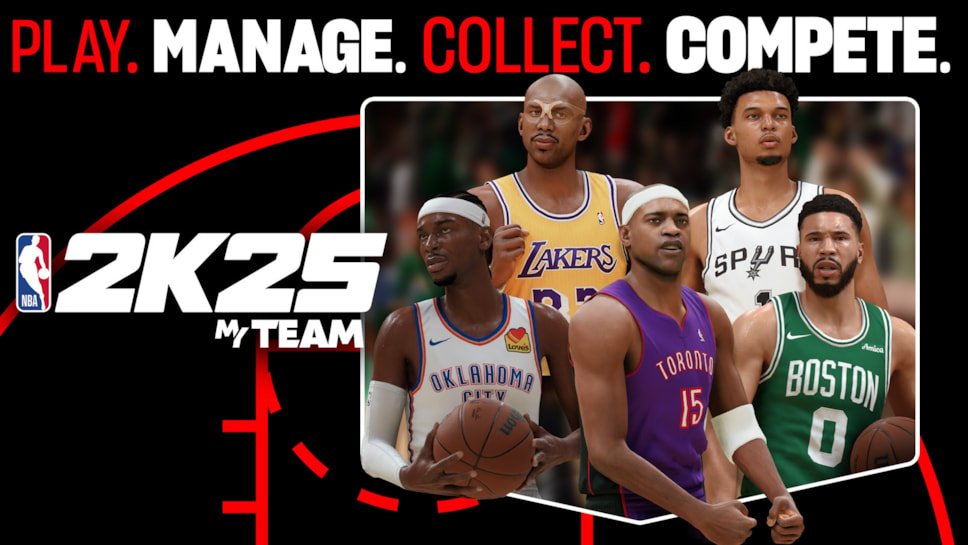
The core of effective NBA 2K25 roster management involves strategically acquiring, developing, and deploying players to maximize team performance and achieve your desired results in the game.
Thinking of dominating the virtual hardwood? NBA 2K25 roster management is crucial for any serious player looking to build a dynasty. A well-managed team is the difference between a championship run and an early playoff exit. We’ll guide you through key considerations.
From scouting prospects to making crucial trades, we cover essential practices. Understanding player roles and chemistry is key for success. We want to help you take your team from good to great with smart decisions.

NBA 2K25 Roster Management: Building Your Dynasty
Okay, let’s talk about something super important in NBA 2K25: building your team! It’s not just about picking the best players, it’s about being a smart manager and making the right moves. Think of it like being the boss of your own basketball team. You get to decide who plays, who gets traded, and how you want your team to play. This part of the game is called roster management, and it can be the secret to winning championships.
Understanding Player Roles and Archetypes
First things first, you need to know what kind of players you have. In NBA 2K25, players aren’t just good or bad; they have specific roles and styles. We call these “archetypes.” Understanding these helps you build a well-rounded team. Think of it like this: you wouldn’t put five quarterbacks on a football field, right? Same thing with basketball.
Key Player Archetypes
- Point Guard (PG): These are your team’s playmakers. They handle the ball a lot, pass to teammates, and can score points themselves. Think of them as the quarterbacks of the basketball court. They need great passing skills, ball-handling, and court vision.
- Shooting Guard (SG): These players are known for their shooting skills. They can hit three-pointers, mid-range shots, and drive to the basket. Think of them as your go-to scorers. They should be good at making shots from different spots on the court.
- Small Forward (SF): Small forwards are versatile players. They can score, rebound, and play good defense. Think of them as all-around players who can do a little bit of everything. They can help in many areas on the court.
- Power Forward (PF): These players are often strong rebounders and good inside scorers. They can also set screens and defend the paint. Think of them as your muscle players who get the tough rebounds.
- Center (C): Centers are usually the tallest players on the team. They protect the basket, grab rebounds, and score close to the hoop. Think of them as the team’s last line of defense.
How Archetypes Impact Your Team
Having a mix of archetypes is really important. If you have too many players who are good at one thing, your team might struggle. For instance, if you have five amazing scorers but nobody who can pass the ball well, your offense could become predictable. Aim for balance so that your team has all the necessary skills.
Scouting and the NBA Draft
One cool thing you get to do is scout young players and pick new talent in the NBA Draft. This is where you find the future stars of your team. Think of it like searching for hidden gems! You need to pay attention to player ratings and potential, which is how good they can become later on. It is crucial to invest time in scouting. This step will significantly influence the long-term success of your team.
Understanding Player Ratings
Players have different ratings for their skills, like shooting, dribbling, and rebounding. These ratings show you how good they are at those specific things. Look at these ratings when you’re scouting to figure out if a player fits what your team needs.
Potential Ratings
Potential ratings are even more important. This shows how much better a player can become over time. A player with a high potential might not be great right away, but they could become a superstar after a few years. This is essential to consider for long-term team building. Look for players with high growth potential in the NBA Draft to secure the future of your team.
The Draft Process
In the draft, you get to pick players based on your team’s needs. If you need a great shooter, look for players with high shooting ratings and potential. If you need a strong rebounder, look for players who are good at grabbing rebounds and have high potential. It’s like choosing the right ingredients to make a good recipe.
Trades and Free Agency
Sometimes, you’ll need to make changes to your team after the draft. That’s where trades and free agency come in. Trades let you swap players with other teams, while free agency allows you to sign players who aren’t tied to any team. It’s like a big puzzle and you have to find the right pieces to fit.
Making Smart Trades
When making trades, you need to think about what your team needs and what the other team might want. Try not to trade your best players for players who aren’t as good. Look for opportunities to get better or fill weaknesses on your team. This is about using your resources wisely. Consider things like player contracts, potential, and immediate impact when conducting trade negotiations.
Free Agency Strategies
In free agency, you get to talk to players who are available to join your team. Think about what your team needs, but also keep an eye on your budget. You don’t want to sign too many expensive players and run out of money. It’s a balance of getting talent while remaining financially viable. Consider factors like age, player skills, and contract terms when making free agency decisions. Be strategic to improve your team without overspending.
Player Development and Training
Another important part of being a team manager is helping your players get better. NBA 2K25 has a system where you can train your players and help them improve their skills. This is like giving your players special lessons to help them grow into the best they can be.
Training Regimens
You can choose training focuses for your players based on their weaknesses. For instance, if a player is a good shooter but not a good defender, you can put him in defense training to help him get better. It’s about finding the right path for each player to develop their skills. A good training program helps players become better in their respective roles, which is crucial for team success. Choose training regimens that work for your players so that they become the best versions of themselves.
Player Badges
Badges are special skills that players can earn or develop. These badges can improve a player’s performance in certain areas. You should manage your players so that they can get the right badges and unlock their full potential. Proper player development is essential for maximizing the value of your roster and securing the future of your team.
Managing Player Morale and Chemistry
It’s not just about the skills; it’s also about how your players feel. If your players are happy and get along well, they’ll play better as a team. This is called team chemistry, and it’s really important. You can help improve chemistry by giving players good playing time and making sure they feel important.
The Importance of Playing Time
Players need to play to get better and feel happy. Try to give each player a fair amount of playing time based on their skills and how they fit in your team. It’s not just about the starting players; everybody on the team should have the opportunity to contribute. A team where everyone is satisfied and feels needed is more likely to have a good morale and team chemistry.
Team Chemistry and Winning
A team that has good chemistry is more likely to win games. When players like and trust each other, they play better together, sharing the ball and supporting each other. Try to build a good team environment where everyone works together for the win. Consider player personalities when making your team choices. Good chemistry can significantly influence the team’s success on the court.
Setting Rotations and Game Plans
Finally, you need to decide who plays when and how you want your team to play. This is called setting rotations and game plans. You can choose which players start the game and how much time each player will get. It’s like deciding the game strategy. The right game plans and rotations are essential for maximizing your team’s strength.
Choosing Your Starting Lineup
Think about who works best together when you’re choosing your starting lineup. You might want to start with your most skilled players or with players who complement each other well. A good starting lineup can set the tone for the game and give you an early advantage. Consider a variety of player skills when choosing your starting lineup for optimal team performance.
Developing Game Plans
You can also choose how you want your team to play, like if you want to focus on shooting three-pointers or if you want to play strong defense. Having a solid game plan can help your team play better and win more games. A well-defined game plan is crucial for maximizing your team’s potential and ensuring a good match outcome. Tailor the game plan to the skills of your players for maximum effectiveness.
Long-Term Roster Building
Roster management in NBA 2K25 is a continuous process, not just one single action. It’s about building a team for the long run. Think about how your team will perform not only today but also in the future seasons. The goal is to create a dynasty that will consistently win championships. Look at your players’ ages, contracts, and potential to make good decisions about the future. Make sure that you build a balanced roster with good player depth for long-term competitiveness.
Building for the Future
Don’t just focus on players who are good now. Also, look for young players who have a lot of potential to become stars in the future. This is key to securing your team’s long-term success. Developing young players is important for making a consistently competitive team.
Adjusting Your Strategy
Things can change during the season, so you have to adjust your roster strategy. If a player gets injured or doesn’t perform well, you might have to make a trade or sign a free agent to help your team. Being flexible and adaptable is essential for a successful team manager. Always be prepared to make changes when necessary. This is part of the dynamic and challenging world of roster management in NBA 2K25.
By understanding these different parts of roster management, you’ll be well on your way to becoming a winning coach in NBA 2K25. Remember to always keep your team’s needs in mind and make smart decisions. This will lead to great success on the virtual court. Enjoy building your championship team!
NBA 2K25 – How To Use A Custom Roster In MyNBA Era's
Final Thoughts
Effectively managing your team is crucial for success. Plan trades, analyze player stats, and consider potential free agent signings. Smart player development and scouting also play key roles.
Strategic coaching adjustments and playing time distribution can significantly impact player performance. This can be the difference maker in winning or losing crucial games in the game. Don’t forget to keep a close eye on player chemistry.
Proper NBA 2K25 roster management requires focus and planning. These methods improve your team’s ability to compete and dominate against any opponent, ensuring your path to success is easier.

