
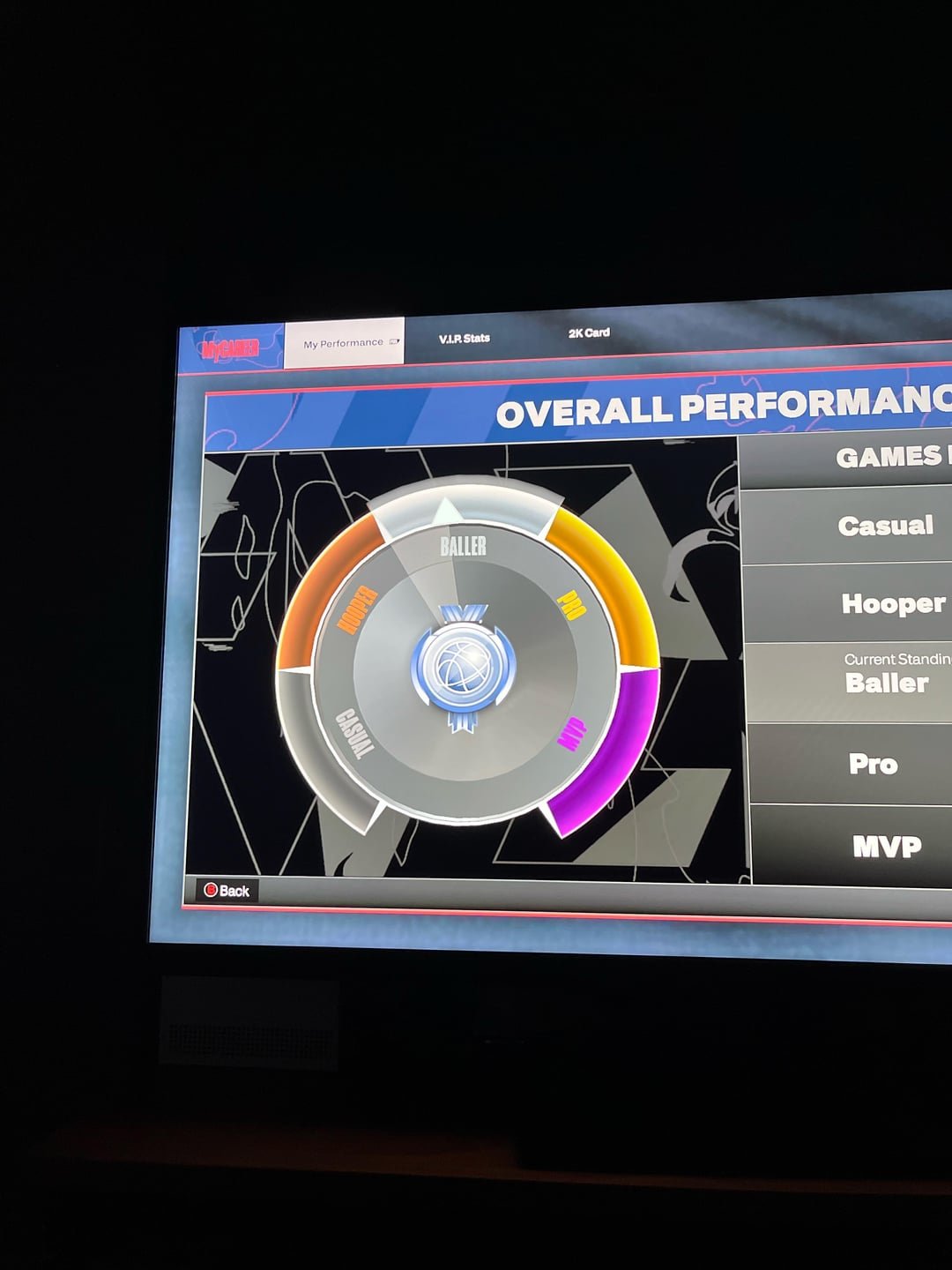
NBA 2K25 skill ratings determine a player’s abilities in various aspects of the game, like shooting, dribbling, and defense, directly impacting their in-game performance.
The anticipation is building! We’re all eager to jump into the new season and see how our favorite players stack up. One of the biggest talking points each year revolves around the NBA 2K25 skill ratings. These ratings are what drive how players perform on the virtual court.
Will your go-to point guard be a sharpshooter, or will your center dominate the paint? It’s all shaped by those key numerical values.

NBA 2K25 Skill Ratings: A Deep Dive
Alright, let’s talk about the heart of NBA 2K25: player ratings! These numbers aren’t just random – they decide how well your favorite players perform on the virtual court. Whether you’re a seasoned pro or just picking up the game, understanding these ratings is key to building a winning team and enjoying the game to its fullest. We will break down everything about player ratings in NBA 2K25.
The Basics of NBA 2K25 Ratings
At their core, NBA 2K25 player ratings are numbers that show how good a player is at different parts of basketball. These aren’t just simple numbers – they are a carefully planned out system that affects how players move, shoot, pass, and defend in the game. A higher rating in a specific skill means the player will perform better in that area. It’s like giving each player a report card for their basketball skills!
Overall Rating
The most important number you’ll see is the player’s overall rating. This rating gives you a quick idea of how good a player is in general. It’s a number that’s an average of all the player’s skills combined. A player with an 85 overall rating is usually a good player, while a player with a 70 overall rating might have some strengths but also some areas to improve. Think of it like the final grade on their report card, a quick view of how they do in basketball.
Attribute Categories
Now, let’s dig deeper. Each player has ratings in several different categories, giving a full picture of their strengths and weaknesses. These categories are broken down into main areas:
- Shooting: How well a player can shoot the ball from different spots. This includes close-range shots, mid-range jumpers, three-pointers, and free throws.
- Playmaking: How good a player is at handling the ball, passing, and setting up teammates for scoring chances.
- Finishing: This shows how well a player can score around the basket, including layups, dunks, and post moves.
- Athleticism: This tells you how fast, quick, and strong a player is. These ratings help determine how well they move on the court, jump, and push past defenders.
- Defense: This covers how good a player is at guarding opponents, stealing the ball, blocking shots, and grabbing rebounds.
- Rebounding: This rating focuses specifically on how good a player is at grabbing rebounds on both offense and defense.
Decoding Shooting Ratings
Let’s dive into shooting, one of the most important parts of the game. When looking at the shooting ratings, pay attention to these:
Close Shot
This rating tells you how well a player can make shots close to the basket. It is used for layups, floaters, and other shots near the rim. Players with higher close shot ratings are much better at scoring near the basket. A player with a rating of 90 in this area will likely make more layups than someone with a rating of 60. This rating is important for players who like to drive to the basket.
Mid-Range Shot
This one shows how well a player can shoot from the mid-range area, usually around 10 to 18 feet from the basket. Players with high mid-range shooting skills can reliably hit jump shots from this zone. It’s often a good shot for players with a high basketball IQ.
Three-Point Shot
This is the rating that tells you how well a player can make shots from behind the three-point line. A high rating means the player is great at hitting threes. This is a very important skill in today’s NBA, making these players valuable on the court. Players with a three-point rating above 80 can often nail long shots.
Free Throw
This indicates how well a player can make free throws. A high free-throw rating is important for closing out games. Free throws are opportunities to score when the clock stops, often in close game situations. A high rating here is very important.
Understanding Playmaking Ratings
Playmaking isn’t just about scoring yourself; it’s about setting up your teammates. Here’s what you should know about playmaking ratings:
Ball Handle
This tells you how well a player controls the ball. A higher rating means they are good at dribbling, doing crossovers, and keeping the ball safe from defenders. Players with high ball handling ratings can often beat their defenders off the dribble. Think of a point guard with a ball handle of 90, who can easily break down a defender.
Passing Accuracy
This rating indicates how well a player can make accurate passes. A high rating means the player is good at finding open teammates, threading passes through defenders, and delivering on-target assists. A point guard with a high passing rating is crucial for a successful offense. They can find teammates in the right spots.
Passing IQ
This rating shows how well a player can make smart passes and decisions. It isn’t just about accuracy but also about understanding where teammates are and making the right pass at the right time. This rating makes a player a smart and efficient playmaker. They see the play before it happens. Players with high Passing IQ always make the right pass.
Analyzing Finishing Ratings
Finishing is how a player scores when they’re close to the basket. Here’s the breakdown:
Driving Layup
This rating shows how well a player can make a layup while driving to the basket. Players with a high driving layup rating are great at scoring when they attack the rim. It combines their ability to dribble and their ability to make close-range shots. A fast guard with a high layup rating is difficult to defend.
Standing Dunk
This tells how well a player can dunk when they’re standing close to the basket. Players with high standing dunk ratings are often great at finishing with power dunks. They use power to finish inside, and are especially good during post-ups or when receiving passes under the basket.
Driving Dunk
This shows how well a player can dunk while running to the basket. Players with a high driving dunk rating are amazing at making highlight-reel dunks when they have space to drive. They are usually fast and athletic players.
Post Scoring
This rating tells how well a player can score in the post. Players with a high post scoring rating are good at using moves like hooks, fadeaways, and drop steps to score from the low post. This is very important for big men on a team. They can create scoring opportunities near the basket.
Understanding Athleticism Ratings
Athleticism shows how well a player moves and performs physically. It includes these key areas:
Speed
This rating shows how fast a player can run. A high speed rating means the player is very quick on the court. Players with high speed ratings can often beat defenders in transition and get to their spots quicker.
Acceleration
This shows how quickly a player can reach their top speed. A high acceleration rating means a player can change direction and speed quickly. Players with high acceleration can quickly get past defenders and make quick cuts.
Vertical
This tells how high a player can jump. A high vertical rating means the player can jump high for rebounds, dunks, and blocks. This rating is especially important for players who play around the rim. A higher vertical can also result in more rebounds.
Strength
This indicates how strong a player is. A high strength rating means a player is good at holding their ground, backing down defenders, and rebounding. Players with high strength are able to push through defenders.
Stamina
This shows how long a player can maintain their top level of play before getting tired. Players with high stamina can play longer without their performance declining.
Defense and Rebounding Ratings
Defense and rebounding are key parts of basketball. Let’s look at the ratings:
Interior Defense
This tells how good a player is at defending inside the paint. A high interior defense rating means a player is good at stopping opponents from scoring at the basket and is able to block shots effectively. Players with this skill are generally good rim protectors. They defend the basket and help their teammates on defense.
Perimeter Defense
This shows how good a player is at defending on the perimeter. A high perimeter defense rating means a player is great at guarding players on the outside, denying shots, and defending dribblers. Players with high perimeter defense are great at defending guards and wings.
Steal
This rating tells how good a player is at stealing the ball from opponents. Players with a high steal rating are great at getting the ball away from dribblers, and creating turnovers. Players with a high steal rating are quick and have great instincts for the ball.
Block
This indicates how good a player is at blocking shots. Players with a high block rating are great at stopping opponents from scoring near the basket by blocking their shots. Blockers are usually the last line of defense.
Offensive Rebounding
This shows how good a player is at grabbing offensive rebounds. A high offensive rebounding rating means the player is great at getting the ball after a missed shot, which gives their team another chance to score. They fight hard on the glass to get the team an extra possession.
Defensive Rebounding
This indicates how well a player can grab defensive rebounds. A high defensive rebounding rating means the player is great at securing the ball and getting a possession for their team. They are great at ending the opponent’s possession by grabbing defensive rebounds.
How Ratings Impact Gameplay
Player ratings affect how the game plays a lot more than you might think. For example, a player with a high three-point rating will make those shots more often than someone with a low rating. A player with high speed and acceleration will be able to get past defenders more easily than a slow player.
When building your team, pay attention to the ratings and how they match your style of play. If you like to run a fast-paced offense, you should prioritize players with high speed, ball handling, and shooting. If you prefer a more deliberate offense, you might focus on players with high post scoring and passing skills. A balanced team is always good, having players that are good at different things is a must.
Finding the Best Players
The fun part about the game is to find the players that suit your playing style. You might not want the highest rated player for all positions, because that’s not how basketball works. You might want a player that has specific skills that are useful for your system. Some players might excel at offense, while others may be defensive powerhouses. You may also consider the player’s attributes like height, weight, and position, which can also play a big part in the success of the team.
Exploring different players and their ratings is a really good part of the game. It’s not just about the top players, but also about finding hidden gems and the perfect role players that fit perfectly with your team.
Rating Adjustments and Updates
NBA 2K25 is not static. Ratings can change over the course of the season based on how real-life players perform. This means a player who starts out with an average rating could see a significant jump if they’re playing very well in real life, and vice versa. Be ready for these changes and pay attention to the updates as they come out, because the ratings will be updated very frequently and will make players different in the game.
Using Ratings in MyTEAM
In MyTEAM mode, understanding ratings is extra important. You need to build a team of cards with players who fit your style. You can choose from various cards that have different player rating ranges, and also different skills, and different styles of play. Choosing the right mix of players for MyTEAM can help you create a dominant lineup. You also have to consider player chemistry, which is how well your players play together.
Tips for Using Ratings
- Don’t just look at the overall: Pay attention to individual attributes.
- Consider your play style: Choose players that fit your game plan.
- Experiment: Try out different players to see who works best for you.
- Keep up with the updates: Ratings change, so stay informed.
- Balance your team: You don’t need only scorers; you need defenders and playmakers too.
Understanding player ratings in NBA 2K25 is one of the basic keys to success in the game. Whether you’re playing in MyCareer, franchise, or quick play, knowing what those numbers mean is going to help you improve as a player. Take your time to understand the system, and you will see a huge improvement in how you play the game.
Ronnie 2K builds the ultimate NBA player in 2K25 🎮
Final Thoughts
Anticipation builds for NBA 2K25, with player skill ratings a key discussion point. Speculation abounds regarding potential shifts in player abilities based on real-world performances. We expect various attributes to influence how players perform in the game.
These initial glimpses at NBA 2K25 skill ratings suggest significant gameplay adjustments. Fans eagerly await official information to confirm these speculations. The community eagerly wants to compare their favorites players’ stats in this new release.

